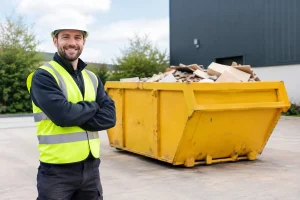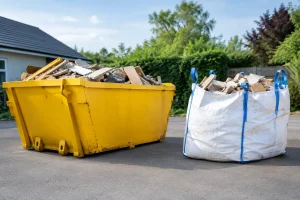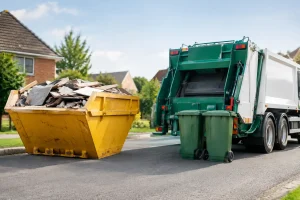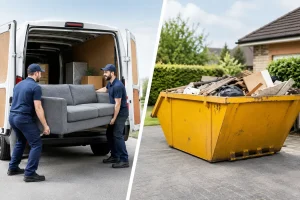
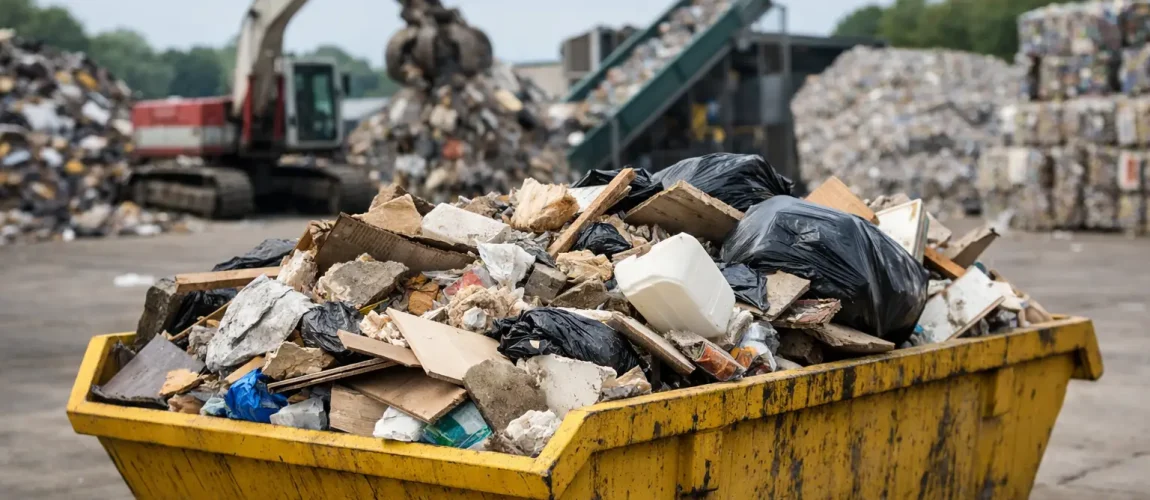
You fill a skip, it gets collected, and then it disappears up the road. For most people, that is where the story ends. But if you have ever wondered what happens to the waste in a skip, the answer is a lot more practical – and a lot more organised – than simply tipping everything into landfill.
Once your skip is picked up, the waste does not all get treated the same way. It goes through a process of checking, sorting, separating and recycling, with different materials sent to different places depending on what they are and what condition they are in. For householders, landlords, builders and businesses, that matters. It gives you confidence that your waste is being handled properly, legally and with as little waste as possible going to landfill.
What happens to the waste in a skip after collection
When a skip lorry collects your skip, it is taken to a licensed waste transfer and sorting facility. This is where the load is inspected and processed. The first point to understand is that skip waste is usually mixed waste. A garden clearance might include soil, timber and old fencing. A house renovation might include plasterboard, rubble, wood, metal, packaging and broken fixtures. A commercial clear-out can include bulky waste, cardboard, plastics and general rubbish.
Because of that mix, the waste has to be separated before it can be recycled or disposed of correctly. It is not a case of tipping the skip and forgetting about it. The load is usually sorted using a combination of machinery and manual picking. Larger pieces may be pulled out first, then smaller materials are separated into categories.
Some items are straightforward. Metals can often be recovered easily and sent for recycling. Hardcore such as bricks, tiles and concrete may be crushed and reused in construction or aggregate. Green waste can sometimes be processed separately. Wood may be recycled into panel products, animal bedding or biomass fuel, depending on the grade and whether it is treated. Cardboard and some plastics can also be separated for recycling if they are clean enough.
The part that cannot be recovered is then dealt with through the proper waste disposal route. That could mean specialist treatment, energy recovery or landfill, depending on the material. The aim for a good skip company is simple – recover as much as possible and reduce the amount that goes to landfill.
Why skip waste is not just dumped in landfill
A lot of people still assume that hiring a skip means everything ends up buried in the ground. Years ago, that may have been closer to the truth across parts of the industry, but waste handling has changed. Costs, regulation and environmental standards all push operators towards sorting and recycling as much material as they can.
Landfill is expensive, and it is also the least useful outcome for most recyclable waste. If wood, metal, rubble and cardboard can be separated and reused, there is little sense in sending all of it to landfill. That is why reputable skip hire firms work through licensed facilities and follow clear waste handling procedures.
There is also a legal side to it. Waste carriers and waste facilities have responsibilities around how waste is transported, stored and processed. For customers, this is one reason it makes sense to use an established local company rather than taking chances with unlicensed operators offering suspiciously cheap deals.
How the sorting process works in practice
Once the skip arrives at the yard, the waste is usually tipped into a designated area for inspection. Staff look for anything that should not be there, such as hazardous items, electricals, gas cylinders, asbestos or chemicals. These cannot just be mixed in with general skip waste because they need separate handling and disposal routes.
After that, sorting starts. Some facilities use plant equipment to move and break down loads. Others combine this with hand sorting to pick out recyclable materials. In reality, this stage depends on what the skip contains. A skip full of clean hardcore is faster to process than one filled with mixed renovation waste. A garden waste skip is different again.
This is where loading your skip sensibly helps. If waste is stacked neatly and the contents broadly match the type of job you are doing, sorting is easier and safer. If the skip contains prohibited items or heavily mixed materials packed in awkward ways, the process becomes slower and more expensive.
That does not mean every skip has to be perfect. Most domestic and trade jobs produce mixed waste. The point is simply that the cleaner the load, the more can usually be recovered.
What materials can usually be recycled from a skip
A typical skip can contain a surprising amount of recyclable material. Builders’ waste often includes metal, hardcore, timber and packaging. Household clearances can include cardboard, some plastics, scrap metal and untreated wood. Garden projects might produce soil, branches, turf and timber fencing.
Rubble is one of the more useful examples. Bricks, stone, soil and concrete can often be processed for reuse in construction, but only if they are not contaminated with the wrong materials. Metal is another strong candidate because it has a clear recycling value. Wood is often recoverable too, though treated or painted timber may need a different route from clean offcuts.
Plasterboard needs separate handling. If it is mixed into a general load, it can create problems during disposal, so many operators prefer customers to keep it out of mixed skips or at least mention it in advance. The same goes for mattresses, fridges, televisions, tyres and upholstered seating. These items are not impossible to deal with, but they usually need specialist disposal and may carry extra charges.
What cannot go in a skip
This is often the part customers wish they had checked before loading. Most general skips are not suitable for hazardous or specialist waste. That includes asbestos, paint tins with liquid paint left inside, solvents, chemicals, batteries, gas bottles, clinical waste and some electrical items.
The reason is not just company policy. These materials can be dangerous to handle, contaminate other waste, or fall under separate disposal rules. If one of these items is hidden in the load and found later at the sorting facility, it can delay processing and increase costs.
If you are not sure about a particular item, the sensible approach is to ask before the skip arrives. A straightforward local operator will tell you what can go in, what should be kept out, and whether there is an alternative disposal option.
Why responsible waste handling matters to customers
For a householder doing a kitchen refit or clearing a garden, the main concern is often convenience. For a builder or landlord, it is usually speed and keeping the job moving. But there is another practical reason to care about what happens next – if your waste is handled badly, it can come back as a problem.
Illegal dumping, poor paperwork and unlicensed carriers are not just industry issues. They affect customers too. Using a skip company that takes waste to a licensed facility and sorts it properly gives you reassurance that the job is being done as it should be.
It also makes a difference environmentally, but not in a vague marketing sense. Every tonne of metal, wood or hardcore recovered is material that does not need to be extracted or produced from scratch. Every mixed load sorted properly reduces the amount sent to landfill. That is a practical benefit, not just a slogan.
For local customers in Wolverhampton, choosing a firm with its own sorting capability matters as well. It means the company is directly involved in what happens after collection rather than simply passing the load on and washing its hands of it. Bushbury Skip Hire Ltd is one example of a family-run operator that combines skip hire with its own licensed waste sorting facility, which gives customers a clearer route from collection through to recycling and disposal.
It depends on what you put in the skip
There is no single answer that covers every skip in exactly the same way. What happens next depends on the waste type, how mixed it is, whether prohibited items are included, and how much of the load can be recovered. A clean rubble skip will follow a different path from a mixed household clearance. A builder’s skip with timber, metal and hardcore may produce a high recycling rate. A heavily contaminated mixed load may produce less.
That is why a bit of planning before you book can help. Choosing the right skip size, being clear about the kind of waste you have, and avoiding banned items all make the process smoother. It can also keep your costs clearer because there is less risk of extra charges for unsuitable materials.
If you are hiring a skip, the useful thing to remember is this: the job does not stop when the lorry drives away. Your waste goes through a proper chain of handling, and a good skip company works hard to recover as much of it as possible. If you want the process to be simple at your end, load the skip sensibly, ask questions when you are unsure, and use a provider that treats waste disposal as a real service rather than just a collection job.