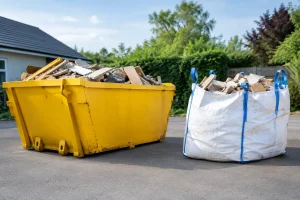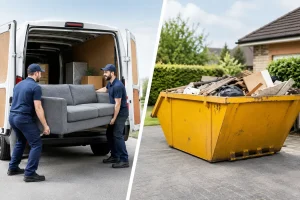
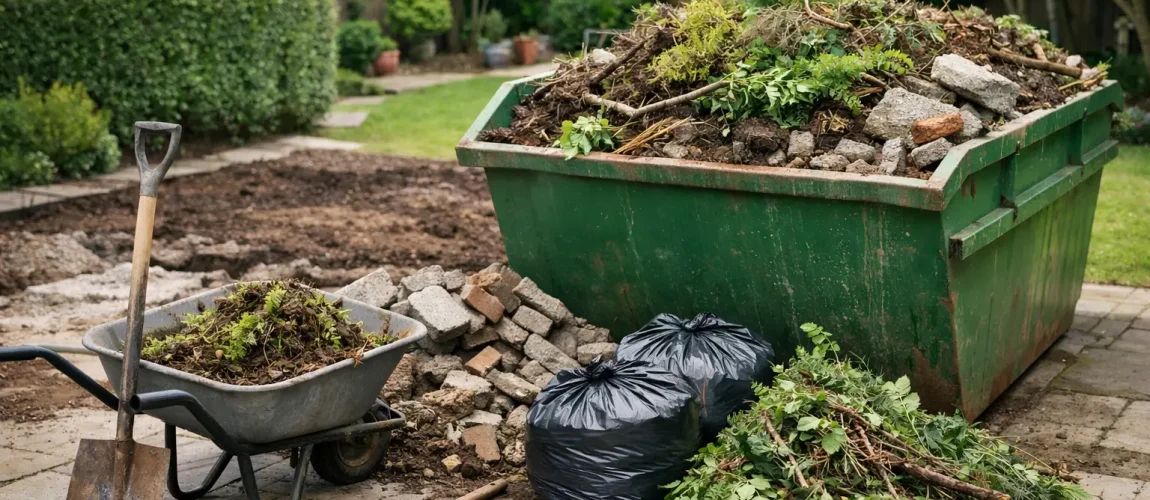
A garden renovation can create far more waste than most people expect. One old shed, a few overgrown borders and a patio replacement can quickly leave you with timber, soil, turf, paving, bags of cuttings and broken garden furniture. This garden renovation waste guide sets out how to clear it properly, choose a sensible skip size and avoid the materials that must be dealt with separately.
For most Wolverhampton households, hiring one skip is simpler than loading the car for repeated tip runs. It keeps the job moving, keeps the drive or garden tidier and gives you confidence that the waste will be handled through a licensed route.
Plan your garden clearance before work starts
The best time to think about waste is before the first fence panel comes down. Walk around the garden and separate what is staying, what can be reused and what needs removing. Bricks in good condition may be useful for edging or a future project. A neighbour, local community group or reclamation business may also have use for usable pots, timber, furniture or plants.
Then look at the material that genuinely needs disposal. Green waste can look light, but wet grass, roots, branches and soil soon become heavy. The same applies to paving slabs, concrete and rubble. Estimating by how full a pile looks can be misleading, so allow for weight as well as volume.
It also helps to decide where the skip will sit. A level, accessible driveway is usually ideal. Keep the route clear for the delivery lorry and avoid placing the skip beneath low branches, cables or overhanging roofs. If it needs to go on a public road, pavement or verge, you will normally need a permit from the local authority. Sort this out before booking rather than on delivery day.
What can go in a garden renovation skip?
A general mixed-waste skip is suitable for many of the materials created during a garden makeover. This can include hedge cuttings, branches, turf, leaves, untreated timber, old fencing, soil, plant pots, garden furniture, cardboard packaging, paving, bricks and small amounts of household waste from an outdoor clearance.
Mixed skips are especially useful when the project combines several jobs. For example, you may be taking out a rotten deck, replacing a patio and clearing an overgrown corner at the same time. Rather than trying to keep every item in separate bags or making several disposal trips, you can load the waste as the work progresses.
Load the heavy materials first and spread them across the base. Put lighter green waste and timber on top, breaking down bulky items where practical. Do not pile waste above the rim. An overfilled skip cannot be safely transported, and loose material can create a hazard on the road.
Soil, rubble and heavy garden waste
Soil, clay, stone, concrete, bricks and slabs need particular care. They are dense, and a skip that appears only half full can already be close to its safe lifting weight. If your project is mainly excavation or hard landscaping, say so when arranging collection. A smaller skip or a dedicated heavy-waste option may be the right choice.
There is a trade-off here. A larger skip gives you more space for bulky waste, but it is not always suitable for unlimited soil and rubble. Being clear about what you are throwing away helps the skip hire company provide the most practical option and prevents hold-ups later.
Green waste from pruning and clearance
Grass cuttings, branches, hedge trimmings, weeds and leaves are straightforward to load, although they can take up more space than expected. Cut branches into shorter lengths where possible and avoid filling the skip with air gaps. If you have only a small quantity of clean green waste, home composting or a council garden-waste collection may make sense. For a full garden clearance, however, a skip is often the quicker option.
Take extra care with invasive plants. Japanese knotweed, for example, requires controlled handling and must not be mixed into ordinary garden waste. Tell your waste provider if you suspect you have it so the material can be dealt with correctly.
What must stay out of the skip?
Some materials cannot go into a standard garden skip because they are hazardous, need specialist treatment or can damage recycling equipment. Do not assume that an item is acceptable simply because it came from outdoors.
Keep the following out unless you have agreed a separate disposal route:
- Paint, varnish, solvents, oils, petrol and fuel containers
- Gas bottles, batteries, electrical items and fluorescent tubes
- Asbestos, plasterboard, chemicals and medical waste
- Tyres, fridges, freezers and other appliances containing gases
- Japanese knotweed and other controlled invasive waste
If you uncover old corrugated sheets, insulation boards or pipe lagging during the renovation, do not break them up or put them in the skip. Older materials may contain asbestos. Leave them undisturbed and arrange professional identification and disposal.
This is not needless red tape. Prohibited items can put people at risk, cause fires or contamination, and result in a load being rejected. A quick phone call before you load an uncertain item is always better than finding out after collection that it should not have been there.
Garden renovation waste guide to skip sizes
The right size depends on the scale of the work, the mix of materials and whether you are clearing as you go or waiting until the end. It is usually more cost-effective to choose a skip with a little spare capacity than to order a second one, but there is no benefit in paying for space you will not use.
A 2-yard mini skip is useful for a small tidy-up, light pruning waste or a few bags of soil and old pots. It suits jobs where space is tight, but it will fill quickly if you are removing paving or timber.
A 4-yard skip is a popular choice for modest garden projects, such as clearing a small patio area, removing a short run of fencing and cutting back an established border. For many domestic renovations, it offers a good balance between capacity and driveway space.
A 6-yard skip is often a sensible option for a more substantial makeover involving garden furniture, timber, green waste, soil and broken paving. An 8-yard skip is better suited to large clearances, multiple demolition jobs or a garden renovation being carried out alongside work inside the property. With any larger skip, remember that heavy waste has weight limits, so ask for advice if soil and rubble form most of the load.
Keep the job safe and straightforward
A skip makes waste removal easier, but a little care keeps the site safer. Put sharp metal, broken glass and splintered timber into the skip carefully rather than throwing them in from a distance. Keep children and pets away from the loading area, and do not climb into the skip to compact waste.
Try not to leave loose bags of rubbish beside the skip. They can get wet, split or be mistaken for fly-tipped waste. Load regularly, particularly if the skip is accessible from the street. If you are working over several days, covering the skip when possible can stop it filling with rainwater or unwanted rubbish.
For tradespeople and landlords, it is worth setting out clear rules for anyone working on site. Agree which waste goes in the skip, where materials should be stacked and which items need separate disposal. That small amount of organisation can save time and prevent a mixed load becoming more difficult to recycle.
Choose a licensed local waste route
Waste does not stop being your responsibility when it leaves the garden. Using a legitimate, licensed operator protects you from the risk of fly-tipping and gives your renovation waste a better chance of being sorted for recycling. Ask who is collecting the waste and where it will be taken if you are unsure.
Bushbury Skip Hire Ltd handles collected waste through its own licensed Wolverhampton sorting facility, with a recycling commitment of at least 90% of materials collected. That matters when a garden project produces a mix of timber, metal, soil, green waste and rubble that can often be recovered rather than simply sent away as general rubbish.
A well-planned clearance lets you focus on the part of the job you actually want to see – a cleaner, safer garden ready for the next stage. Set aside the prohibited materials, choose a skip that matches the waste you have, and arrange collection when the final bag is loaded.