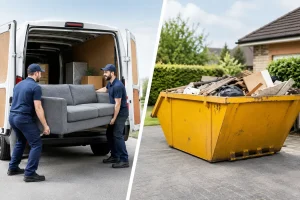

A garage full of old furniture, a garden clearance that got bigger than expected, or a building job producing rubble by the hour – most people only start thinking seriously about waste collection Wolverhampton services when the waste is already in the way. At that point, speed matters, but so does choosing the right option first time.
The quickest way to keep a job moving is to match the waste service to the job itself. A small household clear-out needs something different from a kitchen refit, and a builder on a live site has very different priorities from a landlord emptying a property between tenants. Good waste collection is not just about taking rubbish away. It is about keeping costs sensible, avoiding delays, and making sure everything is handled properly.
What waste collection in Wolverhampton usually involves
In simple terms, waste collection means removing unwanted materials from a home, garden, site or business premises and taking them to a licensed facility for sorting, recycling and disposal. That sounds straightforward, but the best option depends on volume, weight, access and the type of waste you need shifted.
For some customers, that means booking a skip and filling it over a few days. For others, especially where waste is piling up quickly, it means arranging a fast, dependable collection that fits around the job. The key is not to pay for more capacity than you need, while also avoiding the false economy of going too small and needing a second collection.
That balance matters in Wolverhampton, where jobs range from tight residential streets and driveway projects to trade work on busy commercial premises. Local knowledge helps. So does using a provider that can actually process and sort waste properly rather than simply moving the problem elsewhere.
Choosing the right waste collection Wolverhampton service
The right service starts with one question – what exactly are you getting rid of?
If it is general household waste from a clear-out, old units, broken furniture, toys, boxes and unwanted belongings, a smaller skip is often enough. For garden work, it depends on whether you have light green waste or heavier materials such as soil, fencing and paving. For renovation jobs, plasterboard, timber, tiles, bathroom suites and rubble all add up quickly, and weight becomes just as important as space.
Commercial customers usually need a more practical view. A single office clear-out is one thing, but regular trade waste or ongoing construction waste needs consistency. Missed collections, unclear pricing or the wrong skip size can slow a project down and create unnecessary mess on site.
That is why a no-nonsense approach works best. Explain the job, the type of waste and how much space you have, and then book the option that fits the work. If you are unsure between two sizes, it often makes sense to ask before booking rather than trying to cram too much into a smaller skip.
Skip sizes and when they make sense
For most domestic and small commercial jobs, skip size is the main decision.
A 2-yard mini skip suits smaller clearances, minor DIY work and compact spaces where you do not have room for a larger container. It is often enough for a bathroom strip-out, a small garden tidy-up or getting rid of general junk that has built up over time.
A 4-yard skip is a common choice for household projects because it gives more room without taking over the whole drive. It works well for kitchen refits, room renovations and moderate garden waste.
A 6-yard skip is usually the practical middle ground for heavier mixed waste from larger domestic jobs or trade work. Builders often choose this size for renovation debris, broken materials and general site waste.
An 8-yard skip is better when volume is the issue, particularly for larger clearances, bulky waste and commercial jobs. It can save time and money compared with arranging multiple smaller collections, though it still needs to be loaded correctly and within weight limits.
This is where straightforward advice matters. Bigger is not always better if the waste is heavy, and cheaper is not always cheaper if the skip fills in half a day.
What people often get wrong
The most common mistake is underestimating how much waste a job will produce. A shed clearance or garden project can look manageable at the start, then suddenly include timber, old tools, broken pots, fence panels, bags of soil and bits of metal that were never part of the original plan.
The second mistake is mixing waste types without checking first. Some materials need separate handling, and some items are restricted. That does not mean the job becomes complicated, but it does mean it is worth asking the question at the start rather than finding out on collection day.
The third is assuming all waste collection works the same way. It does not. A local, established operator with its own waste sorting facility can offer a very different level of control and accountability compared with a service that simply subcontracts everything.
Cost, convenience and why local matters
When customers compare waste collection services, price is normally the first thing they look at. Fair enough. But the cheapest quote is only useful if the service turns up on time, the waste is handled legally and the booking process is easy.
A local Wolverhampton provider can often make life simpler because the service is built around the area. That means faster response, better understanding of local access issues and less back-and-forth when you need a quick answer. It also helps when you want to speak to a real person rather than chase an online form.
For homeowners, convenience usually means avoiding repeated trips to the tip, keeping the drive or garden usable and getting the waste gone without dragging the job out over weeks. For tradespeople and commercial customers, convenience means keeping the site clear, the customer happy and the work on schedule.
That is why reliability is not just a nice extra. It has a direct effect on time, cost and stress.
Responsible waste handling is not a side issue
A lot of customers now ask where their waste actually goes, and they should. Responsible handling is not just a marketing line. It matters for legal compliance, environmental impact and peace of mind.
Using a licensed operator means the waste is taken to the right place, sorted properly and processed with recycling in mind. That is especially important for customers who want confidence that materials are not being fly-tipped or mishandled after collection.
Bushbury Skip Hire Ltd stands out here because it is a family-run local business with its own licensed waste sorting facility in Wolverhampton and a recycling rate of at least 90%. For customers, that means the service is not only quick and affordable but also accountable.
There is a practical side to this too. Businesses, landlords and contractors in particular need to know they are using a legitimate service. If waste is not handled correctly, the knock-on problems can cost far more than any short-term saving.
Domestic and commercial jobs need different thinking
Domestic customers usually want clarity and speed. They need to know what size to book, what can go in, how long they can keep it and how quickly it can be delivered or collected. The best service feels simple because the answers are clear from the start.
Commercial customers tend to focus on reliability, scheduling and capacity. If a site is producing waste every day, delays are not just inconvenient. They affect workflow, access and health and safety. A dependable local operator is worth more than a low quote that does not hold up under pressure.
There is also the question of repeat use. If you regularly need waste collection in Wolverhampton, consistency matters. Knowing who to call, what to expect and how quickly things can be arranged makes future jobs easier to manage.
How to make your collection run smoothly
A little planning saves a lot of hassle. Be honest about the type and amount of waste, check the access for delivery or collection, and think about whether the job is likely to grow once you get started. It often does.
If you are booking a skip, place heavier items evenly and avoid overfilling. If you are clearing a property or work site, group materials sensibly so loading is quicker and safer. And if you are unsure about restricted items, ask before the waste is loaded rather than after.
The aim is simple – get the waste gone with the least disruption and the best value for money.
Waste jobs rarely arrive at a convenient moment, but the right service can make them feel far more manageable. Whether you are clearing a home, running a building job or sorting out commercial waste, the best results usually come from keeping things simple, choosing the right size and using a local team that does what it says it will do.