
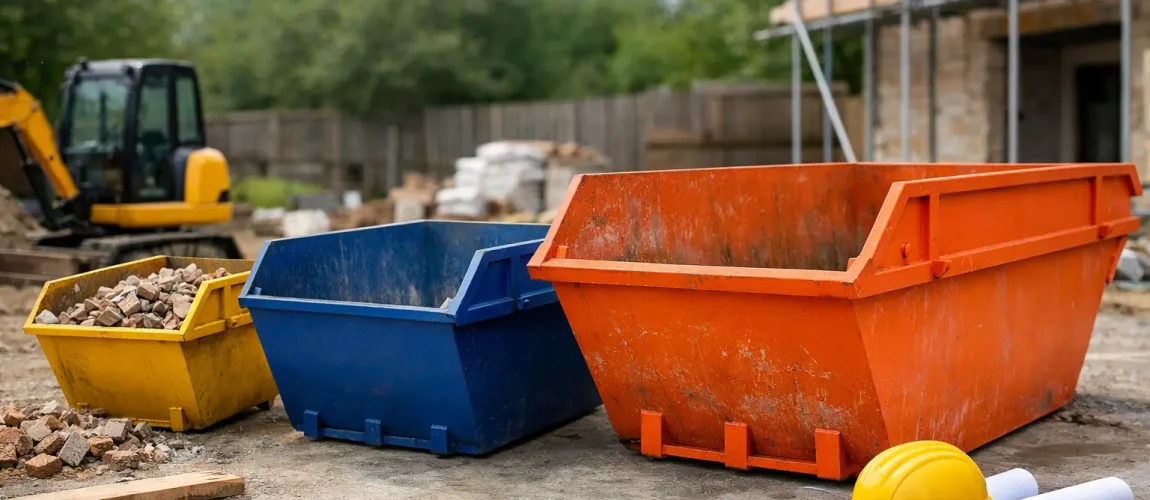
A quick garden tidy can turn into three car loads to the tip before you know it. A house clearance can do the same by lunchtime. If you’re asking, “which skip do I need”, the simplest answer is this: it depends on what you’re throwing away, how much of it there is, and how much space you have outside the property.
Getting the size right matters. Too small, and you may need a second skip or waste time trying to cram everything in. Too large, and you can end up paying for space you never use. For most jobs, the best option is the smallest skip that will comfortably take the waste, with a bit of room to spare.
Which skip do I need for different jobs?
The easiest way to choose is by matching the skip to the type of project.
For small domestic jobs, such as a shed clear-out, a garden tidy-up or getting rid of a few bulky items, a 2-yard mini skip is often enough. It suits lighter volumes and is a good fit where space is tight, especially on short driveways.
If you’re clearing a room, replacing old furniture, or dealing with a moderate amount of household waste, a 4-yard skip is usually the safer choice. It gives you more flexibility without taking up too much more room.
For larger home projects, such as kitchen refits, bathroom renovations, full house decluttering or heavier mixed waste, a 6-yard skip is one of the most popular options. It works well for customers who know the job will create more than a few bin bags’ worth but don’t want to go straight to the biggest size.
An 8-yard skip is typically better for major clearances, larger renovation work, bulky waste, and regular trade or commercial use. If you’re a builder, landlord or business dealing with a significant amount of waste in one go, this is often the most practical option.
Start with the waste, not the skip
People often begin by looking at skip sizes, but it is usually better to start with the material.
Garden waste behaves very differently from hardcore. Branches, hedge cuttings and old fencing can take up a lot of room without being especially heavy. Soil, rubble and bricks are the opposite. They may not fill much space, but they add weight quickly. That means the right skip is not just about volume. It is also about what the skip can sensibly carry.
If you’re clearing out a loft or garage, the waste is often awkward rather than heavy. Old boxes, broken toys, timber offcuts and general household rubbish can look manageable at first, but they pile up fast once the job gets going. That is why many people who think a mini skip will do the job end up wishing they had gone one size up.
For renovation work, it helps to think beyond the first day. A bathroom rip-out might include tiles, plasterboard, old units, packaging and general debris. A kitchen job can create even more waste than expected once worktops, cupboards and flooring all come out. In these cases, a 6-yard skip often gives better value than trying to manage with something smaller.
Common skip sizes and what they really suit
A 2-yard mini skip is best for very small jobs. Think garden waste, a few household items or a minor clear-up after DIY. It is useful where access is limited, but it does have its limits. If your job is likely to grow as you go, this size can become restrictive quite quickly.
A 4-yard skip suits small to medium domestic projects. It is a practical choice for room clearances, moderate garden work and general household waste. For many homeowners, this is the point where a skip starts to feel properly useful without being oversized.
A 6-yard skip is often the all-rounder. It works for mixed waste from home improvements, larger clear-outs, and many builder or landlord jobs. If you are unsure and your project is more than a quick tidy-up, this is often the size that avoids underestimating.
An 8-yard skip is designed for bigger volumes. It is well suited to bulky waste, major renovation debris and commercial jobs where waste builds up steadily. It is a strong option when reliability matters more than trying to shave the size down too far.
Space, access and permits can affect your choice
Even if you know roughly how much waste you have, the space available at the property can influence which skip you can take.
If the skip is going on a driveway, measure the area first. A larger skip is only useful if there is enough room for it to be delivered and collected safely. Access also matters. Narrow roads, parked cars and low obstacles can all complicate delivery.
If you do not have private land and the skip needs to go on the road, a permit may be required. That is another reason to speak to a local provider before booking. It is better to sort that out in advance than delay the job once the waste starts building up.
It is usually cheaper to size up once than size up twice
A lot of customers try to save money by choosing the smallest skip possible. Sometimes that works. Often, it creates more cost and hassle.
If a skip fills up too early, you may need a second one, or you may end up making extra tip runs anyway. Neither is ideal when you’re trying to keep a project moving. Going up one size at the start can be better value, especially for renovations, bulky waste, or jobs where the final volume is hard to judge.
That said, bigger is not always better. If you’re only getting rid of a small amount of green waste or a few unwanted items, there is no point paying for capacity you do not need. The right answer sits in the middle – enough room for the real job, not just the optimistic estimate.
Which skip do I need if I’m a builder or landlord?
Trade and property jobs usually need a more practical approach. A landlord clearing a property after a tenancy may think in terms of rooms, but the waste often includes mattresses, broken furniture, flooring, black bags and odds and ends from every corner of the house. That can add up fast.
Builders and tradespeople tend to know the type of waste, but the timing matters too. If the skip is there for an active job, you need enough capacity to keep the site clear and safe. In many cases, a 6-yard or 8-yard skip is the sensible starting point for building and refurbishment work, depending on the material and volume.
For repeat commercial use, reliability matters as much as size. Fast delivery, prompt collection and responsible waste handling make a real difference when jobs are running to schedule.
A few things you cannot throw in
No matter which size you choose, some items cannot go into a standard skip. Plasterboard, tyres, fridges, asbestos, electricals and certain hazardous materials may need separate handling. It is always worth checking before loading the skip, especially on mixed waste jobs.
This is not just about rules. It also helps avoid delays, extra charges and problems when the waste is sorted. A local company with its own licensed facility can give clear advice and make sure waste is handled properly.
When to ask for advice
If you’re still between two sizes, ask. A quick conversation is often enough to stop you booking the wrong skip.
Describe the job honestly. Say whether it is garden waste, general household rubbish, renovation debris or builders’ waste. Mention if the waste is heavy, bulky or mixed. Also mention where the skip will go and how soon you need it. The more straightforward the information, the easier it is to recommend the right size first time.
For customers in Wolverhampton and the surrounding area, Bushbury Skip Hire keeps it simple with local advice, quick booking and a range of skip sizes that suit real jobs, not guesswork.
Choosing the right skip should make the job easier, not more complicated. If you’re not sure, think about the waste, give yourself a little extra room, and get advice before the pile in the garden or on site becomes a bigger problem than it needs to be.