A patio comes up faster than you expect. One minute you are lifting a couple of slabs, and the next you have a growing pile of soil, broken concrete and old mortar that is too heavy for the car and too much for the tip.
That is exactly the job a soil and rubble skip is for – dense, heavy waste that needs collecting safely, legally and without multiple trips.
What a soil and rubble skip is (and why it’s different)
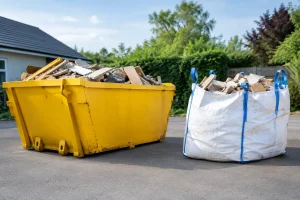
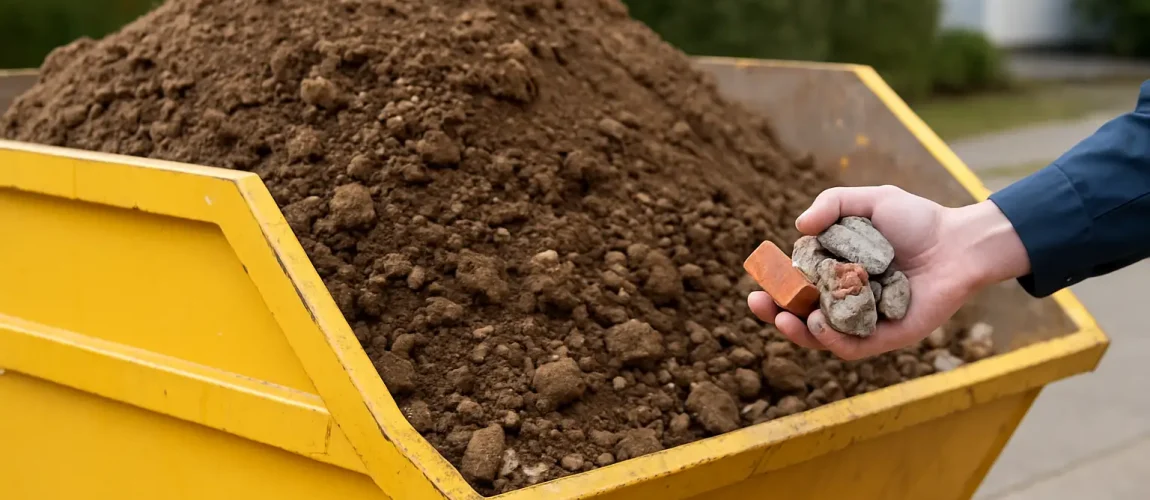
A soil and rubble skip is a skip hired specifically for inert, heavyweight materials. Think soil, hardcore, bricks, concrete, tiles and similar building spoil. These loads hit weight limits quickly, so they are handled differently from mixed waste.
The main difference is not the metal skip itself – it is the waste type and how it can be processed. Clean inert waste is easier to recycle into aggregate and screened material, but only if it is not contaminated with timber, plastic, plasterboard, insulation or general household rubbish. Once it is mixed, it becomes harder to sort and can move into a different price bracket.
If your project is producing mostly “heavy and clean” waste, booking a soil and rubble skip usually works out simpler and more cost-effective than trying to squeeze it into a general mixed skip.
What you can put in a soil and rubble skip
Soil and rubble is fairly straightforward, but it helps to be clear before you start filling. In most cases, you can include soil from digging out a garden, footings or post holes, plus hardcore and rubble from construction or demolition.
Typical accepted materials
You can normally load the skip with clean soil, stones and subsoil, broken concrete, bricks, blocks, mortar and sand/cement waste, ceramics such as tiles and broken paving slabs, plus hardcore from driveways and bases.
If the waste is genuinely inert, it is usually suitable. The key is keeping it clean – the more it is just one category of material, the easier it is to process and the less chance of extra charges.
Common problem items (and why they matter)
Where people get caught out is mixing in “just a few bits” from a clear-out. Timber offcuts, plastic packaging, carpet underlay, black bags and old fencing panels all change the load. Plasterboard is another big one – it has separate disposal rules and should not be mixed with inert waste.
Turf can also be a grey area. A small amount may be fine if it is mostly soil, but large volumes of turf behave more like green waste and can be treated differently. If you are stripping a lawn, it is worth flagging when you book so the right option is sent.
Then there are the obvious restricted items you should never put in any skip: paint, solvents, gas bottles, chemicals, asbestos, tyres, batteries and electrical items. Those need separate arrangements.
If you are not sure whether something counts as inert, it is always cheaper to ask first than to deal with a contaminated load later.
Choosing the right size: yards matter, but weight matters more
With soil and rubble, most customers underestimate weight rather than volume. A skip can look only half full and still be at (or over) its safe lifting limit. That is why your choice of size should consider both how much space you have and how heavy the material will be.
As a rough rule, smaller builders’ skips are often the sensible choice for heavy waste because they fill quickly without exceeding lifting limits.
Which skip size suits which job?
A 2-yard or 3-yard skip works well for small jobs like lifting a few slabs, removing a short garden wall, or digging out a small area for a shed base.
A 4-yard skip is a common choice for patio and driveway repairs, small extensions, or larger dig-outs where you want one clear load without going too big.
A 5-yard or 6-yard skip suits bigger groundwork jobs, renovations producing a steady stream of rubble, or when you have a mix of soil and broken masonry from multiple areas.
An 8-yard skip is sometimes chosen for lighter waste, but for soil and rubble it depends on the specific weight allowances. It can be appropriate if you are loading bulky but not excessively dense inert waste, or if the provider confirms it is suitable for that waste type.
If you are torn between sizes, the best approach is to describe the job rather than guess. “About 30 square metres of slabs plus the bed underneath” is the kind of detail that helps you get the right skip first time.
How to load a soil and rubble skip safely (and avoid extra charges)
The two big rules are keep it level and keep it clean.
Heavy waste should be spread evenly across the base of the skip. If you pile all the concrete at one end, it can make lifting unsafe and may delay collection. Break up large chunks where you can so the load settles properly, and avoid leaving voids.
Do not overfill. Skips must be collected safely and legally, and waste should not stick up above the sides. Overfilled skips can be refused on collection or may need to be levelled before the lorry can take them.
Also, do not “cap” rubble with lighter rubbish. It is tempting to use the last bit of space for bags of general waste, but that turns a clean inert load into mixed waste. If you have a small amount of non-inert material, ask about separate disposal rather than risking the whole load being reclassified.
Access, permits and practicalities in Wolverhampton
Most soil and rubble skips are placed on a drive or private land, which keeps things simple. If you need it on the road, you may require a council permit. The rules depend on the exact location, so it is best to sort this before the delivery date.
Access is another common snag with heavy waste. The lorry needs a clear run to place and collect the skip safely. Low branches, tight turns, parked cars and soft ground can all cause problems. If your drive is block-paved and you are loading lots of rubble, think about where the wheels will sit and whether the ground will take the weight.
Timing matters too. If you are hiring for a builder’s job, coordinate the skip delivery with the start of the demolition or dig-out. Heavy waste stacks up quickly, and you do not want it blocking access or becoming a trip hazard.
Costs: what actually affects the price
With a soil and rubble skip, the cost is mainly driven by skip size, hire period, delivery and collection, and the expected tonnage and processing route.
Clean inert waste is generally more predictable to process than mixed loads, but it still has handling costs. If the skip is heavier than the agreed allowance, or if it contains mixed materials that require extra sorting, that is where additional charges can appear.
This is also why being accurate at booking helps. “Mostly soil with some bricks and concrete” is fine. “Rubble, soil and a few bin bags” is where you can end up paying for a different waste type.
If you want a straightforward local option, Bushbury Skip Hire Ltd covers Wolverhampton and nearby areas with a clear range of sizes (2 to 8 yard, with 10 yard referenced when booking) and processes waste through its own licensed sorting facility in Wolverhampton, aiming to recycle at least 90% of collected material. For quotes and booking, the simplest route is https://www.bushburyskiphire.co.uk.
A quick check before you book
If you take one thing from this, make it this: soil and rubble is about weight control and contamination control.
Before you book, look at the pile and ask two questions. First, is it mostly inert material (soil, bricks, concrete, hardcore) with no “extras”? Second, where will the skip go and can the lorry access it cleanly on delivery and collection day?
Get those right and skip hire becomes the easy part of the job – you can crack on with the work, knowing the waste is being taken away responsibly and without last-minute surprises.