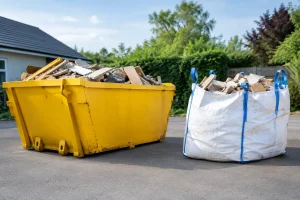
If you have got a driveway full of rubble after knocking through a wall, or a garden that has turned into a pile of brash and broken slabs, the first question is usually not “what size skip?” It is “what can you put in a skip without it becoming a problem later?”
The short answer is: most everyday building and bulky household waste is fine, but certain items are restricted because they are hazardous, hard to recycle, or banned from landfill. The longer answer depends on the type of waste you have, the skip size, and how it will be processed at a licensed facility.
What can you put in a skip for most jobs?
For typical domestic clear-outs and renovation work, a skip is built for heavy, awkward materials that do not belong in your wheelie bin. General mixed waste is usually fine, and so is clean building waste, but you will get the smoothest collection when your load is sensible and safe to handle.
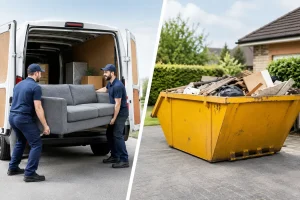
Household and renovation waste that is commonly accepted includes furniture (sofas, tables, wardrobes), wood, plasterboard in limited quantities (more on that below), metal items, carpets and underlay, and general junk from a house clearance. If you are stripping out a kitchen or bathroom, things like old units, worktops, tiles, and sanitaryware are normally acceptable.
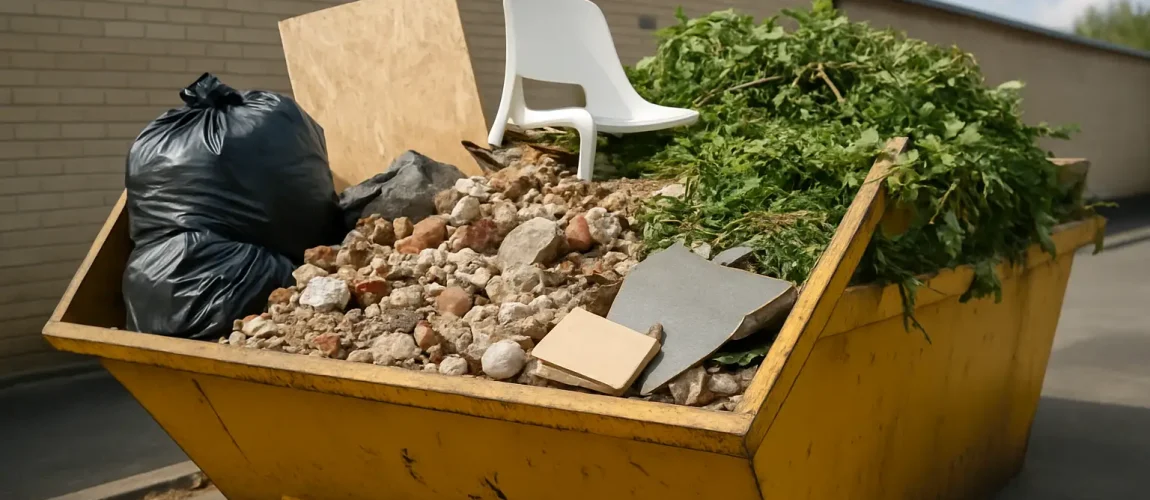
On building projects, bricks, blocks, concrete, hardcore, rubble, ceramics, and paving slabs are all common skip materials. Garden jobs tend to be straightforward too: soil, turf, branches, hedging, leaves, and weeds can all go in, assuming it is not contaminated with chemicals or mixed with prohibited items.
It still “depends”, though. The key difference is whether you are filling the skip with a heavy single material (like soil or rubble) or a lighter mixed load (like timber, packaging, and household waste). Heavy waste hits weight limits quickly, which can affect what size you should book and whether a smaller skip is actually the safer option.
Mixed waste vs hardcore, soil and rubble – why it matters
A skip lorry can only legally lift and transport a certain weight. If you fill an 8-yard skip entirely with soil or concrete, you can exceed safe limits even when the skip is not full to the brim. That is why many providers separate “mixed waste” from “inert” or “hardcore” waste.
If your waste is mostly brick, concrete, clay, soil, or rubble, you may be advised to book a smaller skip, keep the load below the top edge, or book a specific heavy waste option. For mixed loads from a renovation, where timber, plaster, plastic, and general waste are all going in together, you can usually use a larger skip without hitting the weight limit as quickly.
This is not about catching you out. It is about making sure your skip can be collected on the arranged day without delays, extra handling, or a failed lift.
Common “yes” items people ask about
Some items come up again and again, especially for first-time skip users. These are generally fine in a standard skip, as long as they are not soaked in chemicals, not mixed with restricted items, and not protruding above the fill line.
Wood, doors, and kitchen units
Timber is a normal skip material. Doors, skirting boards, floorboards, and old kitchen units are all acceptable. If you have treated wood, that is still usually fine as part of a mixed load, but do not include anything that has been heavily contaminated with paint thinners, oils, or fuel.
Old furniture and bulky household waste
Most non-electrical furniture is fine. Mattresses are often accepted too, although some operators treat them as a chargeable item because they are awkward to process. If you have a house clearance with lots of mixed items, it is worth mentioning it when you book so the correct waste type is scheduled.
Glass and ceramics
Mirrors, window glass, and broken ceramics can usually go in, but wrap sharp shards where you can and do not create a loose, dangerous pile. For large amounts of glass from a commercial job, you may be better off discussing a dedicated solution.
Garden waste
Branches, hedge cuttings, grass, and leaves are fine. Soil and turf are fine too, but they are heavy. If your “garden waste” is mostly soil, treat it like a heavy waste load rather than a light green waste load.
Items that are restricted or not allowed in a skip
Some waste types cannot go in a standard skip because they require specialist handling or disposal routes under UK regulations. Putting these items in anyway can lead to extra charges, rejected loads, or delays to collection while the contents are made safe.
Here are the main categories to keep out of the skip:
- Asbestos (including sheets, boards, and any suspected asbestos-containing materials)
- Electrical items (WEEE) such as fridges, freezers, TVs, monitors, microwaves, and small appliances
- Batteries (including car batteries and lithium batteries)
- Tyres
- Paint, solvents, oils, fuel, and other liquids
- Petrol bottles and canisters (including propane and butane)
- Fire extinguishers
- Medical or clinical waste (including needles and sharps)
- Fluorescent tubes and certain light fittings
If you are not sure about an item, assume it is restricted until you have checked. It is quicker to ask when booking than to sort it out after the skip is already on your drive.
Plasterboard – usually allowed, but not always “mixed in”
Plasterboard is one of the most common sticking points on renovation jobs. It is not generally classed as hazardous, but it is often handled separately because it needs a specific recycling route and cannot always be mixed freely with general waste.
If you have a small amount from patch repairs, it may be accepted within a mixed skip. If you have a full strip-out – ceilings, stud walls, whole rooms – tell your skip provider upfront. You may be asked to keep plasterboard separate, limit the quantity, or book a plasterboard-specific option.
Fridges, TVs, and other electricals
Electrical waste is regulated and typically needs to go through an approved WEEE process. That is why things like fridges, freezers, TVs, monitors, and printers should not go in a standard skip.
If your clear-out includes electrical items, do not hide them under other waste. It causes delays and can add cost. Mention it early so you can be pointed to the right collection route.
Paint and liquids – even “dry” tins can cause problems
Liquids are a hard no. They leak, they contaminate other recyclables, and they can create safety issues.
For paint, it depends. A fully dried, empty tin might be acceptable in small quantities, but partly full tins and any liquid paint should be kept out. If you have lots of decorating waste, it is worth separating it and asking what is acceptable before you load the skip.
Soil, turf and hardcore – allowed, but load carefully
People often assume soil is “light because it is natural”. In reality it is one of the quickest ways to overload a skip.
If your job is a patio dig-out, foundation spoil, or a garden re-level, talk in terms of soil and hardcore rather than “general waste”. You may be advised to choose a smaller yard skip and keep it level-filled. Overfilling with heavy waste is the fastest route to collection problems.
How to load a skip so it gets collected without fuss
A skip is not just a big bin. It has to be lifted safely onto a lorry, transported legally, and processed efficiently. A few practical loading habits make a big difference.
Keep everything below the top edge of the skip. Overfilled skips can be refused because the load is unsafe to move, and loose items can fall during transport.
Break bulky items down where you can. Flat-packed timber, dismantled furniture, and broken-up panels help you fit more in without creating voids.
Do not “hide” restricted waste. It will be found at sorting, and it can slow down the entire load. If you are unsure about something, set it aside and ask.
Finally, think about access. If the skip is on a drive, keep the area clear for drop-off and collection. If it needs to go on the road, you may need a permit depending on location – your skip provider can advise.
Picking a size that matches what you are throwing away
Skip sizes are measured in cubic yards. In plain terms: the bigger the number, the more it holds, but weight still matters.
A 2 or 3-yard skip is a good fit for small jobs like a bathroom refresh, a small garden tidy, or clearing a shed. A 4 or 5-yard is a common choice for kitchen rip-outs and mid-sized DIY renovations. A 6-yard suits larger refurb work and bulky clear-outs. An 8-yard is often used for bigger renovation projects and commercial waste, but you need to be sensible with heavy materials.
If you are working in Wolverhampton and want a straightforward steer on size and waste type, Bushbury Skip Hire Ltd can talk you through the options quickly – especially if you can describe the job (for example, “patio dig-out with soil and slabs” versus “house clearance with mixed furniture and general waste”).
If you are unsure, this is the simplest rule
If it is electrical, pressurised, liquid, chemical, or potentially hazardous, do not put it in the skip until you have checked. Everything else is usually workable, as long as it is loaded safely, kept below the rim, and booked under the right waste type.
A skip is meant to make the job easier, not create a second job of sorting and arguing at collection. When you are clear about what you have, the delivery is smoother, the collection is on time, and the waste can be handled properly at the other end.
If you have one odd item sat in the corner of the garage and you are not sure what it is, set it aside and ask before you throw it in – that one decision can save you time on collection day.