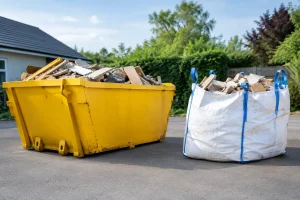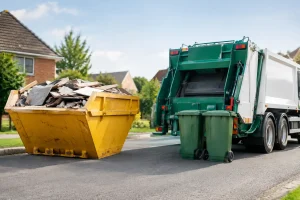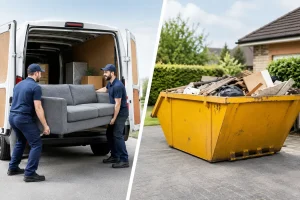

When waste starts piling up on a job, it slows everything down. Whether you are clearing a shop unit, managing a building site, fitting out an office or handling regular trade waste, commercial waste in Wolverhampton needs sorting quickly, legally and without fuss. That usually means choosing the right skip, getting it delivered on time and knowing the waste will be handled properly once it leaves your site.
Why commercial waste in Wolverhampton needs a practical approach
For most businesses, waste removal is not the main job. It is something that has to work in the background so the real work can carry on. A builder needs rubble gone before the next stage starts. A landlord needs a property cleared before new tenants move in. A shop fitter needs packaging, timber and old fixtures out of the way so the space stays safe and usable.
That is why a simple, reliable service matters more than fancy promises. You need clear prices, sensible skip sizes and a local provider that knows the area. Delays cost time. Missed collections create headaches. Unclear rules around waste types can leave you stuck with a skip you cannot use properly.
A local operator has an obvious advantage here. They can usually respond faster, understand access issues around Wolverhampton sites and offer straightforward advice based on the sort of jobs happening every day across the area.
What counts as commercial waste?
Commercial waste covers waste produced by businesses, landlords, trades and organisations. That can include construction and demolition waste, shop refit materials, office clearances, packaging, wood, metal, plasterboard, fixtures, fittings and general non-household rubbish from day-to-day operations.
The exact type of waste matters because not every material can go into the same skip. Heavy mixed loads from a building job are different from lighter waste from a retail clearance. Some materials need separating. Others may need specialist handling. If you get this wrong, it can affect cost, collection times and compliance.
For that reason, it helps to be clear from the start about what the job will produce. A short conversation before booking can save a lot of back and forth later.
Choosing the right skip for the job
One of the most common mistakes with commercial waste is hiring the wrong size skip. Too small, and your team wastes time trying to make everything fit or arranging a second collection earlier than planned. Too large, and you may pay for more capacity than you need.
For smaller commercial clearances, such as office waste, shop back-room rubbish or limited trade waste, a mini skip can be enough. Mid-sized projects, including property maintenance, landlord clearances and smaller refits, often suit a 4-yard or 6-yard skip. For larger volumes of builders’ waste, bulky materials and heavier site clearances, an 8-yard skip is often the more practical option.
Weight is just as important as volume. Soil, hardcore, brick and rubble fill a skip quickly and can become too heavy if mixed carelessly. Lighter waste such as cardboard, timber and packaging takes up more space but may not need the same type of skip arrangement. The right advice depends on the material, not just the size of the site.
Common jobs that need commercial waste solutions
Commercial waste removal is rarely one-size-fits-all. A roofer stripping materials from a domestic block has different needs from a warehouse manager clearing old stock. In Wolverhampton, the demand often comes from routine jobs rather than unusual ones.
Builders and tradespeople often need skips for renovation debris, broken plaster, timber offcuts, old kitchens, bathroom suites and general construction waste. Landlords and property managers regularly need help after tenant move-outs, property refurbishments and house clearances. Shops, offices and industrial units may need waste removal during fit-outs, relocations or end-of-lease strip-outs.
In each case, speed matters. Waste builds up quickly, and once it starts affecting access, workflow or safety, it becomes more than an inconvenience.
Staying compliant without making it complicated
Businesses have a duty to make sure their waste is handled legally. That sounds more daunting than it needs to be, but it does matter. If your waste is taken away by the wrong operator or disposed of improperly, the problem does not always end when the skip leaves site.
The sensible route is to use a licensed waste carrier and a provider with proper waste handling processes in place. That gives you confidence that your commercial waste in Wolverhampton is being taken to an authorised facility and sorted responsibly. It also helps if you need a clear record of how waste is managed as part of your own site standards.
There is also the practical side of compliance. Some jobs need a skip on a public road rather than private land. In those cases, permits and positioning need sorting properly before delivery. A good local firm will explain what is needed rather than leaving you to work it out yourself.
Cost matters, but so does reliability
Most businesses want a fair price, and rightly so. Waste removal is a necessary cost, not a luxury. But the cheapest quote is not always the best value if it comes with poor communication, late delivery or confusion over what can be loaded.
Good value means the skip arrives when expected, is collected when needed and suits the waste you are producing. It means not losing half a day waiting around. It means being able to pick up the phone, speak to someone directly and get a straight answer.
That is often where a local family-run company stands out. The service tends to be more direct, and there is usually more accountability because the business depends on repeat work and word of mouth. For many Wolverhampton businesses, that local reliability is worth more than shaving a small amount off the booking price.
Recycling and responsible waste handling
More businesses now want to know what happens to their waste after collection. Sometimes that is for environmental reasons. Sometimes it is because clients ask. Often it is simply because no one wants reusable material going straight into landfill if it can be avoided.
A strong recycling process makes a real difference. When waste is sorted properly, large amounts of wood, metal, aggregates and other materials can be recovered instead of wasted. That is better for the environment, but it also reflects a more responsible way of working across the local area.
For example, Bushbury Skip Hire operates its own licensed waste sorting facility in Wolverhampton and aims to recycle at least 90% of collected waste. For commercial customers, that gives added reassurance that waste is being managed responsibly rather than just moved from one problem spot to another.
What to think about before you book
A bit of planning can make the whole job easier. First, think about where the skip will go. Private land is usually simpler, but access still matters. Gates, parked vehicles, narrow approaches and uneven ground can all affect delivery.
Next, think about the type of waste. Mixed loads are common, but some items may be restricted or need separate handling. If you are not sure, ask before the skip arrives. It is easier to get the booking right at the start than to deal with a rejected load or extra charge later.
You should also think about timing. If the waste will build up steadily over a few days, standard hire may be fine. If the site is moving quickly and space is tight, you may need a faster turnaround. The best option depends on how your job is scheduled.
Why local knowledge helps
Waste collection looks simple from the outside, but local experience counts for a lot. Wolverhampton sites vary. Some have easy off-road placement. Others are in tighter urban areas where timing, access and road position matter more. A provider working in the area every day will usually spot those issues early.
That local knowledge also helps with practical recommendations. Not every business customer knows whether a 4-yard, 6-yard or 8-yard skip is the best fit, and they should not have to guess. A straightforward recommendation based on the job saves time and avoids wasted money.
If you need commercial waste in Wolverhampton, the best approach is usually the simplest one – explain the job clearly, choose the right skip for the material and work with a local team that turns up, collects on time and handles the waste properly. When that part runs smoothly, the rest of the job usually does too.