When you book a skip, the price and size usually come first. Fair enough – you want the right skip at the right cost, delivered on time. But recycling rate skip hire matters too, because it tells you what happens after your waste leaves your drive, garden project or building site.
A high recycling rate is not just a nice extra. It shows whether a skip company is sorting waste properly, sending less to landfill and handling materials in a responsible way. For household customers, that means peace of mind. For trades and commercial customers, it also helps show that waste is being dealt with legally and sensibly.
What recycling rate skip hire actually means
Put simply, the recycling rate is the percentage of waste collected in skips that can be sorted and reused, recycled or recovered instead of being sent straight to landfill. If a company says it recycles 90% of waste, that means most of what goes into its skips is separated and processed so the material can be put to use again.
That can include wood, metal, hardcore, cardboard, plastics, green waste and some types of soil or rubble. Mixed waste from homes and building jobs often contains more recyclable material than people think. The key is what happens at the waste facility after collection.
This is where there can be a big difference between providers. Two skip hire companies may look similar on price and service area, but their recycling performance can be very different depending on their processes, sorting capability and commitment to reducing landfill.
Why recycling rates matter when hiring a skip
If you are clearing a house, refitting a kitchen or stripping out a small commercial unit, your main concern is often getting the waste gone quickly. That makes sense. Still, where the waste ends up matters more than many people realise.
Landfill is expensive, limited and environmentally damaging. The more waste that can be separated and recycled, the less pressure there is on landfill sites. Choosing a provider with a strong recycling rate is a practical way to reduce the impact of your project without making the job harder.
There is also the issue of compliance. Businesses, landlords and tradespeople cannot afford to be casual about waste disposal. If waste is handled badly or passed to the wrong operator, it can create problems later. A skip company with proper waste handling procedures and a clear recycling process gives you more confidence that the job is being done properly.
For domestic customers, the benefit is simpler but just as important. You do not want to spend a weekend filling a skip only to find everything has been dumped with little effort made to recover recyclable materials.
How a high recycling rate is achieved
Good recycling rates do not happen by accident. They come from proper sorting, the right equipment and experience in handling mixed waste loads.
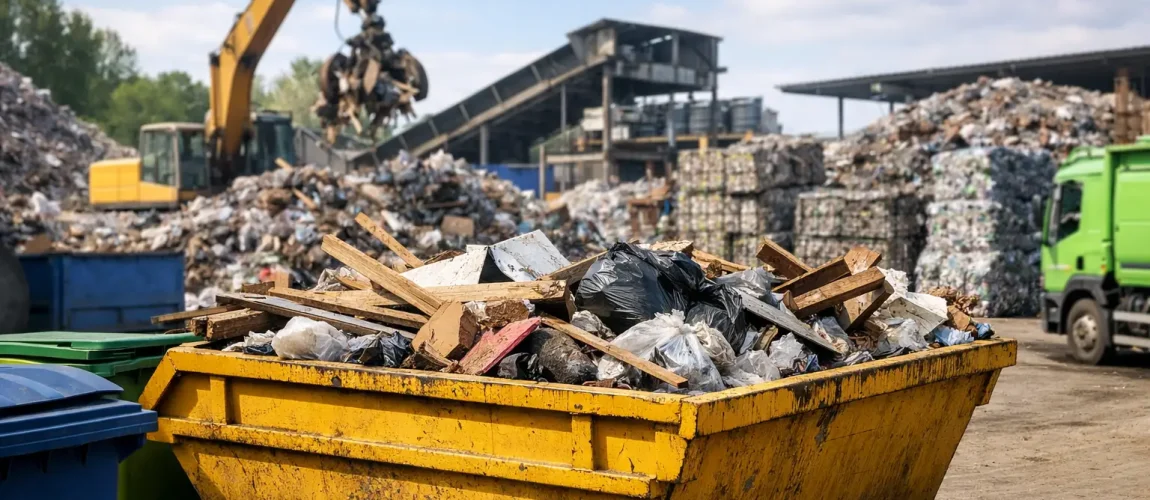
When a skip is collected, the waste is taken to a licensed facility where it is inspected and separated. Materials such as wood, metal, hardcore and cardboard can often be pulled out and sent to the appropriate recycling streams. Some waste can be processed into aggregate or reused in other forms. What cannot be recycled is then dealt with through the proper disposal route.
The quality of sorting makes a real difference. If recyclable materials are heavily contaminated, recovery becomes harder. That is why customers also play a part. Loading the skip sensibly, keeping prohibited items out and not mixing in materials that require special handling all help improve the final recycling rate.
A family-run local operator with its own waste sorting facility is often in a stronger position to manage this well, because the process is more direct and there is clearer control over what happens after collection.
What affects the recycling rate of your skip
Not every skip load is the same, and that affects how much can be recycled. Garden waste, soil, rubble, brick and metal often have strong recycling potential. A mixed household clearance may still contain a lot of recyclable material, but it usually takes more sorting. Some waste types are harder to recover and some items cannot go in a standard skip at all.
Waste type makes a difference
A skip filled with clean hardcore from a small building job is very different from one used for a loft clear-out. Builders’ waste can often contain recyclable timber, metal and rubble, while domestic loads may include mixed materials, damaged furniture and general rubbish.
That does not mean one is good and the other is bad. It simply means recycling outcomes depend on what is in the skip and how mixed the load is.
Overloading and contamination can reduce recycling
If the skip is overloaded or filled with the wrong items, sorting becomes harder and safer processing becomes more difficult. Plasterboard, tyres, electrical items, paint, chemicals, fridges and hazardous waste usually need separate handling. Putting these in without checking first can create delays, extra charges or disposal issues.
If you are unsure, ask before booking or before loading. A quick conversation can save hassle and help keep more of the waste recyclable.
How to choose a skip hire company with strong recycling standards
Price matters, especially if you are clearing a property on a budget or managing waste across several jobs. But very cheap skip hire is not always the best value if waste handling is poor or service is unreliable.
Look for a company that is clear about how waste is managed and what proportion is recycled. If they operate a licensed facility and can explain their process in plain English, that is a good sign. Local knowledge matters as well. A company serving Wolverhampton and nearby areas every day is usually better placed to deliver promptly, collect on time and deal with waste efficiently than a distant broker passing work around.
You should also expect straightforward advice on skip sizes and permitted waste. That is part of good service. If a provider is vague about what can go in the skip or where the waste goes afterwards, it is reasonable to ask more questions.
Recycling rate skip hire for domestic projects
For homeowners and tenants, recycling rate skip hire is especially relevant during the jobs that create more waste than expected. Garden clearances, bathroom refits, moving house, garage clear-outs and general decluttering all generate bulky waste quickly.
A skip saves repeated trips to the tip, keeps the job tidier and lets you get everything done in one go. If the company also recycles a high percentage of what it collects, you get the practical benefit of easy disposal without feeling that everything is simply being buried in landfill.
For smaller jobs, choosing the right skip size helps. Too small and you may need a second skip. Too large and you may pay for space you do not need. Good advice at the booking stage makes the whole process easier.
Recycling rate skip hire for builders and businesses
For tradespeople, landlords and commercial customers, reliability is usually the first priority. Delayed deliveries or missed collections slow jobs down. But recycling performance matters as well, particularly when you need a waste partner you can use regularly.
Construction and refurbishment work often produces materials with good recycling potential, especially timber, metal and rubble. A provider with efficient sorting systems can help keep more of that material out of landfill. That supports better site management and gives you confidence that waste is being handled responsibly.
For ongoing work, consistency matters more than promises. A skip company should be easy to contact, quick to respond and clear about what happens to the waste. That is one reason local firms such as Bushbury Skip Hire tend to appeal to repeat customers – there is direct access, straightforward service and a visible commitment to responsible waste handling.
The practical question: should recycling rate affect who you book?
Yes, but it should be part of the bigger picture. A high recycling rate is valuable, but only if the company is also dependable on delivery, collection, pricing and customer service.
Most customers do not want a lecture on waste policy. They want the skip to arrive when promised, the size to be right and the waste to be handled properly. That is exactly where recycling rates matter most – not as a marketing extra, but as proof that the company takes the job seriously from collection through to final processing.
If you are comparing local skip hire options, ask the simple questions. How much waste is recycled? Where is it sorted? What can and cannot go in the skip? Clear answers usually tell you a lot about the standard of service you can expect.
When waste has to go, you need a service that is quick, affordable and easy to deal with. It is even better when that service also keeps as much material as possible out of landfill.