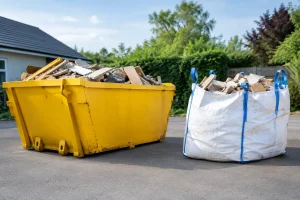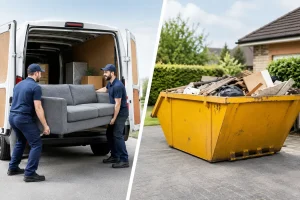

If you have got a skip on the drive and the pile keeps growing, the temptation is obvious. A few extra bags. One more old fence panel. That last bit of plasterboard balanced on top. It feels harmless until collection day, when an overloaded skip can mean delays, extra charges, or waste left behind.
The short answer is this: you can fill a skip up to the level load line, but not above it. Nothing should be sticking out over the top, and the waste needs to sit safely inside the skip so it can be transported legally.
That is the rule that matters most. But if you are asking how much can you fill a skip, there is a bit more to it than height alone. Weight matters as well, and some materials reach the limit much faster than others.
How much can you fill a skip legally?
A skip should be filled level with the top edge or marked fill line. If materials are heaped above that line, it is classed as overloaded. The driver cannot legally take it away if the load is unsafe, even if it is only slightly over.
This catches people out with lighter, awkward waste such as timber, branches, cardboard and old furniture. It may not weigh much, but if it is piled up above the top, it can shift or fall during transport. The same applies to long items wedged diagonally across the skip. If they are protruding, the skip is too full.
For heavier waste, the issue is often the opposite. The skip might look only half or three-quarters full, but if it contains soil, bricks, rubble or concrete, it can already be at its safe carrying weight. In other words, a skip can be under the top line and still be too heavy for collection.
That is why there is no one-size-fits-all answer. You are filling to two limits at once – the visible fill line and the safe weight limit.
Why skips cannot be heaped above the top
This is not a fussy rule. It is about road safety and compliance. When a lorry lifts and carries a skip, the load needs to stay stable. If waste is stacked above the sides, loose items can drop into the road, hit other vehicles, or create a hazard for pedestrians.
There is also the practical side. A driver has to assess whether the skip is safe to move before loading it onto the vehicle. If the contents are spilling over, badly balanced, or packed in a way that could shift, collection may be refused until the load is reduced.
That can slow your job down, especially if you are clearing a house, finishing a garden project or trying to keep a site moving. A skip that is filled properly is quicker to collect and less likely to cause hassle.
Weight matters more than many people think
When customers ask how much can you fill a skip, they often mean space. In practice, weight causes just as many problems. Heavy inert waste builds up fast, and it does not take long to overload a skip with dense materials.
Soil is a common example. A small skip can take a useful amount of soil, but a larger skip packed fully with it may be too heavy to move safely. The same goes for hardcore, bricks, clay and concrete. With these materials, you usually need to be more conservative about how full the skip is.
Mixed household waste gives you more flexibility because it tends to be lighter. Old toys, packaging, broken cupboards, carpet and general clear-out waste can often be loaded to the fill line without getting near the same weight issues. Even then, bulky items should be broken down where possible so you use the space properly rather than creating a heap above the top.
If you are dealing with very heavy waste, it is often better to choose the right skip for the material rather than simply the biggest skip available. A smaller skip filled correctly is often the safer and more cost-effective option.
How to load a skip properly
The best way to fill a skip is to load it evenly and keep the heaviest items at the bottom. Flat items should go in first, with lighter and more awkward waste placed on top. That stops voids forming and helps you make full use of the space.
It also helps to break bulky items down before loading. Fence panels, cabinets, cardboard boxes and timber can take up far more room than necessary if they are thrown in whole. A few minutes spent cutting or flattening them can make a noticeable difference.
Try not to concentrate all the weight on one side. An uneven load can create handling issues when the skip is lifted. If you are disposing of mixed waste, spread it across the base rather than creating one dense corner and one light corner.
And if you know you still have more waste to come, avoid filling the skip too quickly with loose, bulky items. People often waste half the capacity by tossing in bags and furniture without thinking about layout. Once the easy space is gone, the only option seems to be piling up over the top.
What happens if your skip is overfilled?
Usually, the driver will not remove it until the excess waste has been taken out. That can mean you have to unload part of the skip yourself, arrange for another collection, or book an extra skip if the waste simply will not fit.
If timing matters, that is a problem. Builders can be left with waste still on site. Homeowners can be left with a full skip blocking the drive longer than expected. In some cases, overloading can also lead to additional charges if a return visit is needed.
The easiest way to avoid that is to leave a little margin rather than trying to squeeze in the very last pieces. If the waste is close to the top and you still have more to clear, it is usually a sign that you needed the next size up.
Does skip size change how full you can fill it?
The rule stays the same whatever size you hire. A 2-yard skip and an 8-yard skip both need to be filled safely to the top line, not above it. What changes is the type and amount of waste each size is suited to.
Smaller skips are often the right choice for dense, heavy materials. Larger skips are better for lighter bulky waste from clear-outs, renovations and commercial jobs. The mistake is choosing on volume alone without thinking about what the material actually weighs.
For example, a larger skip sounds attractive if you are clearing a garden, but if most of the load is soil and rubble, you may be better off discussing that waste type before booking. On the other hand, if you are stripping out a kitchen, clearing a garage or dealing with general mixed waste, extra size can save you from overfilling.
How much can you fill a skip for different jobs?
For a general household clear-out, you can usually work to the visible fill line as long as nothing is sticking out. For renovation waste, it depends on the mix. Timber, plaster, packaging and old units are one thing. Bricks, tiles and rubble are another.
For garden jobs, green waste is relatively light, but wet soil, clay and broken paving are not. A skip that looks only partly used can still be carrying a serious load. The same applies on building sites where hardcore and masonry are involved.
If you are unsure, it is better to mention the waste type when booking rather than guess. That way, you can be advised on the most suitable size and avoid paying for the wrong skip or running into collection problems later.
A local operator with its own licensed waste sorting facility, such as Bushbury Skip Hire Ltd, can also give clearer guidance because the waste is being handled directly rather than passed around through a broker.
A simple way to judge it before collection
Stand back and look at the skip side-on. If the waste is level with the top edge, packed inside the sides, and not leaning or protruding, you are usually where you need to be. If there is a mound in the middle, timber hanging out, or heavy waste packed tightly to the brim, stop and check before adding more.
That small pause can save time, extra cost and a missed collection. When in doubt, ask before the lorry arrives. It is always easier to get the right advice early than to pull half a load back out on collection day.
If you want a skip service that is fast, reliable and clear about what can be loaded safely, the best approach is simple: choose the right size, match it to the waste type, and fill it level – not higher. That keeps your job moving and makes collection straightforward.