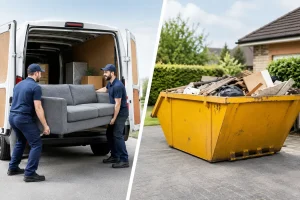

A skip can look like a simple metal box dropped on a driveway, so it is fair to ask, why is skip hire expensive? The price is not just for the container. It covers a licensed waste service: delivery by lorry, collection, transport, sorting, recycling, disposal and, in some cases, a council permit. When those parts are handled properly, skip hire saves a great deal of time, effort and repeated trips to the tip.
For households clearing a garden or renovating a room, and for tradespeople keeping a site tidy, the key is choosing the right skip and understanding what is included before booking. That is how you get proper value rather than simply looking for the lowest advertised figure.
Why is skip hire expensive compared with a tip run?
A personal trip to the household waste recycling centre may appear free, but it is rarely cost-free in practice. You need a suitable vehicle, time to load it, fuel for every journey and somewhere safe to keep waste while the job is underway. Larger projects can mean several runs, particularly with heavy rubble, soil, timber or old furniture.
A skip gives you one place to put waste as it is created. The lorry delivers it, returns to collect it and takes the whole load into the proper waste system. For a house clearance, a kitchen refit or ongoing building work, that convenience is a major part of the price.
There is also a legal difference. Businesses and tradespeople must make sure their waste is handled by an authorised carrier and taken to a licensed facility. Using an unlicensed collector because they offer a bargain price can lead to fly-tipping problems and potential enforcement action if the waste is traced back to you.
What your skip hire price actually pays for
The cost of a skip is made up of several real operational costs, not one flat charge for a container. Prices vary according to the size of skip, the waste type, where it is placed and how long it is needed for.
Delivery, collection and fuel
A skip lorry is specialist equipment. It needs a trained driver, regular maintenance, insurance and fuel to safely deliver and collect heavy loads. Local hire helps keep travelling distances sensible, but collection routes, traffic and access still affect the time involved.
A skip must also be positioned safely. Narrow roads, awkward driveways, parked cars and restricted access can all make a delivery more difficult. A clear, accessible space helps the job run smoothly and avoids delays.
Waste sorting and recycling
Once collected, the skip is not simply tipped into a hole in the ground. Waste is taken to a licensed facility where it is sorted. Materials such as wood, metal, cardboard, hardcore and some plastics can be separated for recycling or recovery, while residual waste must be dealt with through approved routes.
Sorting takes staff, machinery, space and compliance controls. It is one reason responsible skip hire costs more than an informal collection, but it is also why you can be confident that your rubbish is being managed properly. Bushbury Skip Hire operates its own licensed waste sorting facility in Wolverhampton and aims to recycle at least 90% of collected material.
Disposal charges for materials that cannot be recycled
Not everything in a skip can be recovered. Mixed waste, contaminated materials and certain bulky items may carry higher treatment or disposal charges. Heavy waste can be particularly expensive because it fills disposal capacity quickly and adds weight to transport loads.
This is why a skip filled mainly with clean soil and rubble may be priced differently from a general mixed-waste skip. It is also why keeping recyclable material separate, where practical, can make commercial waste management more economical.
Permits and placing a skip on the road
If the skip sits fully on private land, such as your drive or a site compound, a council permit is usually not needed. If it needs to go on a public road, verge or pavement, permission is normally required from the local authority.
The permit charge is set by the council, not the skip company. There may also be requirements for lights, cones or other safety measures. Allow extra time for this if you cannot keep the skip on private property, as permits are not always issued immediately.
Insurance, licensing and compliance
A legitimate waste operator has responsibilities that are mostly invisible to the customer. These include waste carrier registration, site licensing, insurance, staff training, vehicle compliance and record keeping. Those standards protect customers, road users and the local area.
They also protect you from the false economy of an unregistered operator. A low cash price may not include responsible disposal. If a load ends up dumped on a lane or industrial estate, the consequences can be far more costly than hiring a proper skip in the first place.
The skip size makes a bigger difference than many people expect
Hiring a skip that is too small is one of the quickest ways to increase the final cost. When it is full, you may need a second skip or an extra collection. Hiring one that is much too large is not always the best answer either, especially for a small clearance where a 2-yard or 4-yard option would do the job.
For light household rubbish, garden cuttings or a modest declutter, a mini skip can be a sensible choice. A 6-yard or 8-yard skip is more commonly suited to larger clearances, renovation waste and builders’ waste. The right answer depends on the material as much as the volume. Soil, bricks and concrete are dense, while old furniture and packaging take up space quickly but weigh less.
Do not fill a skip above its sides. Overfilled skips can be unsafe to transport and may need material removed before collection. If you are unsure, explain the job when asking for a quote. A straightforward description of what you are clearing is usually enough to get useful size guidance.
Items that can push the cost up
Some waste needs separate handling because it is hazardous, restricted or difficult to process. These items should never be put into a general skip unless you have agreed it with the provider first:
- Paint, solvents, oils, fuel and chemicals
- Gas bottles, batteries and fire extinguishers
- Tyres, asbestos and plasterboard
- Fridges, freezers, televisions and other electrical items
The rules are there for good reason. A battery can cause a fire in a waste facility, while substances such as asbestos require specialist containment and disposal. Being honest about these materials at the booking stage avoids refused collections, extra charges and unsafe handling.
How to keep skip hire costs sensible
The best way to save money is to plan the waste, not cut corners on disposal. Start by separating anything you can reuse, donate or sell before the skip arrives. This leaves more room for the material that genuinely needs removing.
Next, choose a delivery spot on private land if possible. This can avoid permit costs and gives you more control over access. Break down boxes, dismantle suitable furniture and stack lighter items carefully, while keeping heavy materials evenly distributed. You will use the space more effectively without overloading the skip.
It also helps to book for the period you actually need. If a clearance is happening over one weekend, arrange delivery close to the start date and avoid leaving the skip unused for longer than necessary. For tradespeople, regular collections or a repeat arrangement can be more practical than treating every load as a separate emergency.
Finally, compare like for like. Ask whether delivery, collection, a standard hire period, waste handling and any permit administration are included. The cheapest initial number is not always the cheapest finished job if extra charges appear later.
A fair price is about more than the container
Skip hire is not always the lowest-cost option for a single bag of rubbish, and it will not suit every job. For a small amount of waste that you can safely transport and dispose of yourself, a trip to the recycling centre may be enough. But once waste is bulky, heavy, mixed, ongoing or too much for one vehicle, a skip becomes a practical way to keep the work moving.
The right local provider should be clear about the skip size, permitted waste, placement and price before delivery. That gives you a tidy site, fewer wasted journeys and confidence that the waste has been dealt with responsibly – which is what you are really paying for.