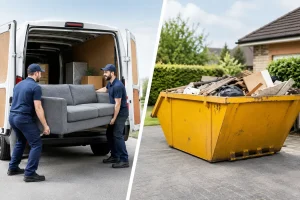

A garden clearance is halfway across the drive. The builder has pulled out the old kitchen. A tenant has moved out and left bulky waste behind. When rubbish starts holding up the job, you need to book a skip fast without spending the day making tip runs or guessing what size to order.
For Wolverhampton households, landlords and tradespeople, fast skip hire is usually straightforward when the key details are ready: the type of waste, the likely amount, where the skip will sit and when you need it. Get those right before you call and the booking process moves much more quickly.
How to book a skip fast without ordering the wrong size
Speed matters, but so does choosing a skip that can actually handle the job. An undersized skip can mean arranging a second collection or leaving waste piled up at the side of the property. Going far too large can cost more than necessary, particularly for a small domestic clear-out.
Start by looking at the waste you have rather than the size of the room it came from. A spare bedroom full of bags, broken furniture and old boxes can produce more waste than expected. On the other hand, a bathroom refit may create a heavy but relatively compact load of tiles, plasterboard and fittings.
At Bushbury Skip Hire, the range runs from 2-yard mini skips to 8-yard skips, giving most local projects a practical option. A 2-yard skip can suit a modest garden tidy-up or a few bulky items. Mid-sized skips are often a sensible choice for household clearances, kitchen or bathroom work and general builders’ waste. An 8-yard skip is better suited to larger renovations, commercial jobs and substantial clearances.
If you are between two sizes, consider how awkward the waste is. Flat timber, soil and bagged rubbish stack differently from wardrobes, fencing, old sofas and mixed renovation waste. It is also worth allowing for the fact that skips must not be overfilled. Waste should stay level with, or below, the top edge so it can be transported safely.
Heavy waste needs a different approach
Soil, rubble, bricks, concrete and tiles are heavy. Even when they do not take up much room, they can quickly add significant weight. Tell the skip hire company if your load is mainly heavy inert material, rather than simply booking based on volume.
For mixed waste, it helps to keep heavy materials separate where possible. This gives clearer advice on the suitable skip and can prevent problems when the lorry arrives to collect it. If the job includes several waste types, explain that at the booking stage rather than hoping it will all fit and be accepted together.
Check where the skip can go
A fast booking can be delayed by access issues, especially on tight residential streets. The easiest placement is usually a private driveway or other off-road space with a firm, level surface and enough room for the delivery lorry to manoeuvre.
Measure the available space if you are unsure. Think about parked cars, low branches, gates, overhead cables and narrow turns into the property. A skip cannot be dropped over a wall or hedge, and the lorry needs safe, clear access to place it where it is needed.
If you have a shared drive, speak to neighbours or the property owner first. For rented homes and commercial premises, check who has authority to approve the placement. A quick conversation before booking is far easier than dealing with a skip that cannot be delivered when expected.
Driveways can also be marked or damaged by the weight of a skip, particularly if the surface is soft, newly laid or uneven. Wooden boards may help spread the load, but they should be discussed in advance. The best solution depends on the condition of the ground and the space available.
A roadside skip may need a permit
If there is no suitable private space, a skip may need to be placed on the road. This is common in Wolverhampton, but it normally requires a permit from the local council. The permit is not something to leave until the delivery day.
A licensed local provider can advise on the process and arrange the necessary application where appropriate, but council approval takes time and cannot be assumed. The road position must be safe, and the skip may need lights, cones or other required safety measures. Permit costs and timings can vary, so raise the question as soon as you know the skip is likely to go on the highway.
Do not place a skip on a pavement, grass verge or road without checking the rules. Apart from the risk of enforcement action, it can obstruct pedestrians, vehicles and emergency access. If a permit will slow down the job, consider whether a driveway placement, a smaller skip or a planned loading period could work instead.
Have these details ready when you call
Booking is quicker when the person taking your enquiry does not have to chase basic information. Before calling, have the delivery address, preferred delivery date, collection timeframe and a clear description of the waste to hand.
It also helps to confirm whether the skip will be on private land or the road, and whether there are access restrictions such as a narrow drive or limited parking. If you are a builder or landlord booking for someone else, make sure a contact will be available at the property if the driver needs directions on arrival.
Be honest about what is going in the skip. Everyday household, garden and construction waste can usually be managed easily, but some items need different disposal arrangements. Hazardous materials, including asbestos, chemicals, paint, gas bottles, batteries and electrical items, may not be suitable for a standard skip. Fridges and other appliances can also require separate handling.
Mention these materials early. The right advice at the start protects you from refused waste, extra costs or a collection delay later on.
Load the skip to keep the job moving
Once the skip arrives, load it methodically rather than throwing everything in at random. Break down cardboard and timber where safe to do so, place heavier items at the bottom and fill gaps with smaller waste. This makes better use of the space and reduces the chance that you will need another skip.
Keep the area around the skip clear for collection day. Do not leave bags or loose items beside it expecting the driver to take them away, unless that has been agreed in advance. Make sure vehicles are moved if they could block access for the collection lorry.
For longer jobs, avoid using the skip as an open store for other people’s rubbish. If it is placed near a public area, keep an eye on what is being added. You remain responsible for the contents, and unwanted items can create disposal issues that were not part of your original job.
Fast skip hire works best with a local plan
The quickest route is not always the one that involves the fewest questions. A short conversation about waste type, skip size, access and permits prevents the delays that cause most problems. It also means you can get on with the clearance, renovation or site work instead of repeatedly loading a car for the tip.
A family-run local operator with its own licensed waste sorting facility can offer practical advice as well as collection, helping ensure waste is handled responsibly. Bushbury Skip Hire recycles at least 90% of collected materials, so a fast solution does not have to mean sending useful material straight to landfill.
If waste is already getting in the way, take five minutes to check your space, estimate the load and decide whether a road permit may be needed. With those details ready, arranging the right skip becomes one less thing to manage on a busy job.