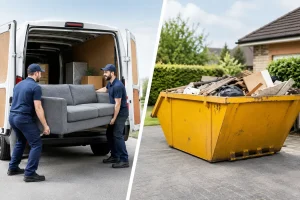

A pile of old cupboards in the drive, soil from a garden project or rubble from a renovation soon becomes more than a nuisance. Skip hire in Hednesford gives you one straightforward place to keep waste while the work is under way, rather than filling the car and making repeated trips to the tip.
The best skip is not always the biggest one. It needs to suit the amount and type of waste you have, fit safely at the property or site, and be booked with enough time to keep your project moving. For householders, landlords and tradespeople, getting those details right makes disposal quicker, cleaner and better value.
Choosing the right skip hire in Hednesford
A mini skip is often enough for a small clear-out, light garden waste or a modest DIY job. If you are clearing a shed, replacing a kitchen or taking out a room, a larger skip usually prevents the frustration of running out of space halfway through. Builders and contractors dealing with regular mixed waste, timber, plasterboard and rubble may need a larger option or more frequent collections.
As a practical guide, a 2-yard mini skip can work well for small domestic jobs where space is limited. A 4-yard skip is a popular all-round choice for garden clearances and household waste. For renovations, house clearances and larger jobs, 6-yard and 8-yard skips provide more room without taking up the same footprint as a much larger container.
It is worth being realistic before you book. Waste that looks manageable in a corner of the garden can take up far more space once it is bagged, broken down or loaded. If you are between two sizes, the larger skip can be better value than arranging a second collection. On the other hand, ordering too large a skip for a few bags of waste is an unnecessary cost and may create access problems.
Think about waste weight as well as volume
Heavy materials are different from general household waste. Soil, concrete, bricks and hardcore fill a skip quickly and add significant weight. A skip that appears large enough by volume may not be the right choice for a load made mostly of dense material.
Keep heavy waste separate where possible and explain what you are disposing of when requesting a quote. This helps the supplier recommend a suitable size and ensures the lorry can collect the skip safely. Mixed light waste, such as wood, packaging, old furniture and garden cuttings, can normally fill a larger skip more comfortably than heavy rubble can.
Where should the skip go?
A private drive is usually the simplest place for a skip. It keeps the container close to the work, avoids taking up road space and can make delivery and collection easier. Before booking, check that there is enough width for the delivery lorry to enter, turn or reverse safely. Low branches, parked vehicles, gates and overhead cables can all affect access.
If the skip needs to sit on a public road, pavement or verge, a permit may be required from the local authority. The arrangements depend on the location, and permits can take time to organise, so do not leave this until the morning you want the skip delivered. Let the skip hire company know exactly where it needs to be placed when you book.
You should also consider your neighbours. A well-positioned skip should not block shared access, restrict visibility near a junction or prevent deliveries getting through. If space is tight, breaking the job into smaller stages or arranging collection promptly once the skip is full may be the sensible option.
What can go into a skip?
Most everyday non-hazardous waste from homes, gardens and building work can be placed in a skip. This includes wood, furniture, cardboard, metal, general household waste, garden cuttings, soil, bricks and renovation debris. Keeping materials loose where practical helps you use the available space properly.
There are, however, items that need a different disposal route. Do not put hazardous materials into a general skip. This can include asbestos, paint, chemicals, fuel, gas bottles, batteries, tyres, electrical items and fluorescent tubes. Fridges and freezers also need specialist treatment because of the gases and components they contain.
If you are unsure about a particular item, ask before loading it. This is far easier than discovering it cannot be accepted when the skip is due for collection. It also protects you from additional charges or delays caused by contaminated loads.
Load safely and make the space count
Start with flat and heavy items at the bottom, then place bulky items carefully to avoid empty gaps. Break down furniture, cardboard boxes and timber where safe to do so. Avoid throwing waste in from a height, particularly if there are sharp materials or fragile items already in the skip.
Do not overfill the container. Waste must stay below the rim so it can be transported safely on the lorry. A mattress, door or long piece of timber sticking out may seem minor, but it can stop a collection from going ahead until the load is made safe.
A better option than multiple tip runs
For a small amount of waste, a trip to the household recycling centre may be enough. But once you are doing a clearance, renovation or landscaping project, the time soon adds up. You need to sort the waste, load the vehicle, secure it, queue at the site and repeat the process. If you are using a van, there may also be local rules to consider.
A skip keeps waste in one place and lets you clear as you go. That is particularly useful when working around a busy household, preparing a rental property between tenancies or keeping a building site tidy. It reduces loose waste around the job and gives tradespeople a more efficient place to work.
The trade-off is that you need space for the skip and should plan delivery dates around the work. For a one-day job, arrange delivery close to the start date and collection as soon as practical afterwards. For a project likely to change as you uncover more work, allow a little extra time rather than rushing to finish before collection.
Responsible waste handling matters
Cheap disposal is only good value if it is handled properly. When waste is passed to an unlicensed operator, the person who produced it can face problems if it is fly-tipped. Always use a legitimate waste carrier that can explain where the waste goes.
Bushbury Skip Hire Ltd operates its own licensed waste sorting facility in Wolverhampton, helping to separate reusable and recyclable materials from the waste it collects. Recycling is a practical part of responsible skip hire, not an afterthought. Materials such as metal, wood, cardboard, rubble and green waste can often be recovered rather than simply sent for disposal.
For domestic customers, this provides reassurance that a clear-out or renovation does not create a bigger problem elsewhere. For businesses and contractors, it supports responsible site management and gives confidence that waste is being handled through the correct channels.
Booking without delays
When you request a quote, have a few details ready: the type of work, the main materials going into the skip, the likely amount of waste, where the skip will be placed and when you need it. Clear information means a more accurate recommendation from the start.
It also helps to check access on the day of delivery. Move cars from the drive, keep the planned drop-off area clear and tell the driver about any tight turns or obstacles. If your project produces more waste than expected, make contact before overfilling the skip. A quick conversation can often prevent a collection issue.
A well-chosen skip gives you room to get on with the job instead of constantly thinking about waste. Whether you are clearing a garden, improving a property or managing a busy trade project, book the size that fits the work, load it safely and leave yourself enough time to do the job properly.