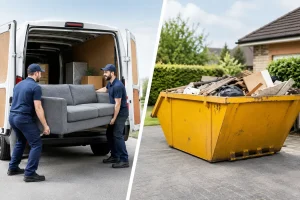

A full driveway, a garden overhaul, or a building job that is already producing more waste than expected – that is usually the point when skip hire in Cannock goes from “maybe later” to “needed now”. When you want the job kept moving, the right skip saves time, cuts down on tip runs, and gives you one clear place to put everything.
The trick is not just hiring any skip. It is choosing the right size, knowing what can go in it, and using a company that turns up when it says it will. For household jobs and trade work alike, a straightforward service matters more than anything else.
Why skip hire in Cannock is often the quickest option
If you are clearing a house, renovating a kitchen, stripping out a bathroom, cutting back a garden, or managing waste on site, the main problem is usually the same. Waste builds up faster than you think. A few car loads to the tip can soon turn into a full day lost, plus fuel, queueing, lifting, and sorting.
A skip keeps the job organised. Everything goes in one place, the site stays safer and tidier, and collection is booked in from the start. For tradespeople, that means less downtime. For homeowners, it means less disruption and fewer last-minute trips with rubble and broken timber in the boot.
There is also the legal side. Waste needs to be handled properly. Using a reputable local firm means your waste is collected, sorted, and processed through the right channels rather than becoming someone else’s problem later on.
Choosing the right skip size
This is where many people either overthink it or guess wrong. Too small, and you risk needing a second skip or paying for an exchange. Too large, and you may spend more than the job really needs. The best choice depends on the type of waste as much as the amount.
Mini skips for smaller household jobs
A 2-yard mini skip is often enough for compact clear-outs, light garden waste, or small DIY work. If you are getting rid of old fencing panels, bagged green waste, broken furniture, or general household rubbish from one room, a smaller skip can be the most cost-effective option.
It is also useful where space is tight. Not every property has room for a large skip, and in some residential streets a smaller unit is simply easier to place.
Mid-size skips for renovations and bulky waste
For many domestic customers, the most practical option sits in the middle. A 4-yard, 6-yard or 8-yard skip is often suitable for kitchen refits, bathroom removals, larger garden projects, garage clearances, or mixed waste from decorating and repair work.
Builders and landlords often lean towards these sizes because they suit real jobs, not ideal conditions. Plasterboard, timber, old units, packaging, hardcore and general site waste soon add up. A bit of spare capacity is usually better than finding the skip full before the job is finished.
Weight matters as much as volume
A skip can look only half full and still be near its limit if you are loading it with soil, rubble, bricks or concrete. Heavy waste is where size advice really matters. A larger skip is not always the answer if the contents are very dense.
That is why it helps to be clear about the material before booking. Mixed household waste, garden cuttings and cardboard behave very differently from paving slabs and excavation spoil.
What can and cannot go in a skip
Most general household, garden and builders’ waste is fine, but there are limits. Furniture, timber, bricks, soil, green waste, old kitchen units, plastic, metal and general rubbish are commonly accepted. That covers the bulk of what most customers need to get rid of.
Some items need separate handling. Fridges, tyres, asbestos, paint tins, gas bottles, electrical items and certain hazardous materials are usually restricted or charged differently. Mattresses may also need special pricing depending on the provider and disposal route.
This is one area where trying to guess can cost you. It is always better to say upfront what is going in the skip. A good local company will tell you plainly what is allowed and what is not, which avoids problems on collection day.
Do you need a permit in Cannock?
It depends where the skip is going. If it can sit fully on private land, such as a driveway, yard or site area, you usually will not need a road permit. If it has to go on the public highway, then a permit is generally required.
For many customers, this affects the whole booking. A driveway placement is often quicker and simpler. Road placement can still be arranged, but it needs extra planning, and the local authority rules have to be followed.
This is another reason to book with a firm that knows the local area well. Permit applications, positioning, and access are all easier when the company handles this sort of work regularly. If access is awkward or the street is busy, it is worth raising that before delivery rather than on the day.
What affects the cost of skip hire in Cannock?
Price matters, but the cheapest headline number is not always the best value. The real cost depends on the skip size, the waste type, how long you need it for, whether a permit is needed, and whether the waste needs any special treatment.
Heavy materials can change the price. So can prohibited items mixed into the load. If you need a quick turnaround, same-day or next-day availability may matter more than saving a small amount with a provider that cannot deliver when needed.
For most people, good value means clear pricing, no confusion over what is included, and a reliable collection once the skip is full. That is what keeps a project on schedule. A family-run operator with its own licenced sorting facility can often offer that balance of fair prices and proper waste handling without unnecessary fuss.
Domestic and commercial jobs need slightly different advice
Homeowners tend to focus on convenience. They want to know which size will suit the job, whether the drive is big enough, how long the skip can stay, and what they can put in it. The best service for domestic customers is simple, quick to arrange, and easy to understand.
Commercial customers usually care most about timing and consistency. Tradespeople, site managers, landlords and local businesses need waste moved without slowing the work down. They may need repeat bookings, exchanges, or a skip that fits around site access and working hours.
In both cases, local service counts. You want somebody who answers the phone, gives straight answers, and can respond quickly if plans change.
A few practical tips before your skip arrives
Load the skip evenly rather than piling one side high. Break down bulky items where possible so you use the space properly. Keep the waste level with the top of the skip, because overfilled skips cannot be collected safely.
If the skip is going on your drive, make sure there is enough clearance for the delivery lorry and consider protecting delicate surfaces if needed. If you live on a narrow road, mention that at the time of booking. Small details like parked cars, gates, low branches or restricted access can all affect delivery.
It also helps to start loading with flat or heavy items at the bottom. That keeps the skip stable and makes better use of the available space.
Why local reliability matters more than big promises
Waste removal is one of those services where the basics matter most. You need the right skip, delivered on time, collected promptly, and handled properly afterwards. Fancy wording does not help if the skip turns up late or the waste is not processed responsibly.
That is why many customers prefer a local firm with a clear service area, sensible prices and direct contact. Bushbury Skip Hire Ltd is built around that sort of practical service, with skip sizes suited to everyday domestic and trade jobs, straightforward booking, and a strong focus on recycling as much material as possible.
When you are comparing providers, look beyond the headline. Ask whether they can advise on size, whether permits are covered if needed, how quickly they can deliver, and how the waste is managed. Those answers tell you far more than a low starting price on its own.
A good skip hire service should take pressure off the job, not add to it. If you are planning work soon, the easiest route is usually the best one – pick the right size, be clear about the waste, and book with a local company that keeps things simple.