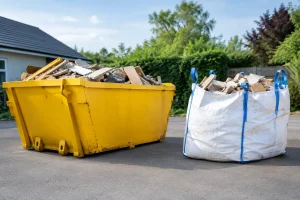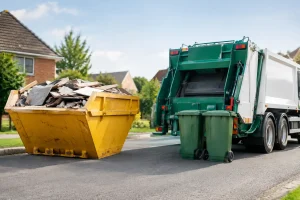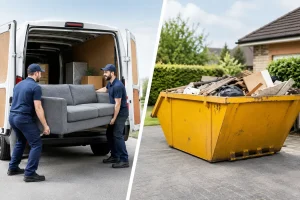

If you have ever stood over a growing pile of rubbish during a clear-out and wondered what can go together and what cannot, you are not alone. Waste sorting in Wolverhampton catches people out when a job moves quickly – a kitchen rip-out, a garden tidy, a house move, or a builder clearing site. The problem is rarely getting rid of waste in principle. It is knowing how to separate it properly so it can be handled legally, safely, and with as much recycled as possible.
For most people, the real issue is time. You want the waste gone, you want the price to be fair, and you do not want any confusion about what can go in the skip. That is where sorting matters. Done properly, it keeps disposal straightforward. Done badly, it can lead to mixed loads, delays, extra handling, and waste that could have been recycled ending up treated as general rubbish.
Why waste sorting in Wolverhampton matters
Waste sorting is not just about tidiness. It affects how much material can be recovered, how safely it can be processed, and whether the waste chain stays compliant from collection through to disposal. For householders, that means fewer headaches and a cleaner way to deal with bulky rubbish. For trades and commercial customers, it also means keeping jobs moving without avoidable hold-ups.
A mixed pile of waste might look harmless on a driveway or site, but some materials need to be kept apart. Soil and hardcore are handled differently from timber. Green waste is different again. Plasterboard cannot simply be thrown in with everything else. Electrical items, paints, chemicals, tyres, and other specialist materials may need separate disposal altogether.
That is why a bit of sorting at the start often saves trouble later. It helps make sure the right skip is used for the right type of load and gives the waste the best chance of being recycled rather than rejected or sent for more costly processing.
What people usually need to sort
In practical terms, most jobs in Wolverhampton fall into a few common categories. Household clearances tend to produce furniture, cardboard, old fittings, broken toys, clothes, bits of timber, and general unwanted items. Garden projects usually create soil, branches, turf, fencing, pots, and green cuttings. Renovation work often leaves behind rubble, plaster, wood, metal, tiles, packaging, and old kitchen or bathroom units.
The important thing is that not all of those materials belong in the same waste stream. Heavy inert waste such as brick, concrete, and soil is often best kept separate from light mixed waste. Green waste can often be processed differently from general household rubbish. Builders’ waste may include recyclable timber and metal, but also materials that need more care.
This does not mean every customer has to become an expert before booking a skip. It means being clear about the type of job and the main waste involved. That simple step usually makes it much easier to choose the right option from the start.
Waste sorting in Wolverhampton for home projects
Domestic jobs are where sorting is often overlooked, mainly because people are busy and want to get the job finished. If you are clearing a garage, loft, garden, or whole property, it helps to separate obvious items before the skip arrives. Put timber together, keep metal to one side if possible, and avoid mixing garden waste with bags of general household rubbish if the load is mostly one or the other.
Heavy materials need extra thought. If you are disposing of bricks, paving slabs, soil, or concrete from landscaping or DIY work, that is very different from chucking out old carpets and broken furniture. Weight adds up fast, and the right skip choice matters as much as the sorting itself.
There is also the issue of prohibited items. Fridges, freezers, televisions, batteries, asbestos, gas bottles, liquids, and certain chemicals cannot usually go in a standard skip. People are often surprised by this, but it is a normal part of regulated waste handling rather than a local quirk. If you are unsure, ask before loading rather than after.
What trades and businesses need to watch
For builders, landlords, shop fitters, and other commercial users, waste sorting is partly about efficiency and partly about compliance. A site with timber, metal, hardcore, packaging, and general mixed waste all thrown together can become slower and more expensive to clear than it needs to be.
Where possible, keeping cleaner waste streams apart makes sense. A load of mostly rubble is one thing. A load of mixed renovation debris is another. If the job involves repeated clearances, better sorting from the start often makes collections easier to manage and keeps the site safer and tidier as well.
There is always a balance to strike. On a busy job, perfect separation is not always realistic. Labour time costs money, and sometimes a mixed builders’ skip is the practical answer. But even then, keeping banned or specialist waste out and separating the heaviest materials where possible can make a big difference.
How a local sorting facility helps
This is where working with a local operator has a practical advantage. Waste does not simply disappear when a skip is collected. It has to be taken to a licensed facility, sorted properly, and processed in line with regulations. Having a waste sorting facility in Wolverhampton means waste can be handled locally, with more control over how materials are separated and where recyclable items go next.
For customers, that matters because it gives confidence that the job is being dealt with responsibly rather than just picked up and forgotten about. It also supports higher recycling rates when the operator has the capability to sort mixed loads properly after collection.
Bushbury Skip Hire Ltd does exactly that, with its own licensed waste sorting facility in Wolverhampton and a recycling commitment of at least 90% of collected materials. For customers, that means a straightforward service on the front end and responsible handling behind the scenes.
Choosing the right skip for sorted waste
Skip size and waste type go hand in hand. A small domestic clear-out may only need a 2-yard mini skip, while a larger renovation or bulky house clearance could call for something bigger. The mistake people make is choosing by volume alone. Weight and material type matter just as much.
A mini skip can be ideal for heavier waste such as small amounts of rubble because you are not paying for unused capacity. Larger skips suit lighter mixed loads from clearances, refits, or garden work, but they are not there to be filled with dense hardcore from end to end. That is why a quick conversation about what you are throwing away is usually worth having.
If your waste is mostly one material, say soil or green waste, mention that early. If it is a proper mixed load, say that too. Clear information up front helps avoid problems on collection day and makes pricing more accurate.
The common mistakes that cause problems
The biggest issue is assuming all rubbish is the same. It is not. Mixing prohibited items into a general skip is one of the quickest ways to create delays and extra charges. Overloading is another. If waste is piled above the skip sides, it cannot be collected safely.
People also underestimate how quickly heavy waste adds up. A few broken slabs, bags of soil, and old bricks can weigh far more than expected. Another common problem is leaving sorting too late, especially on jobs where several types of waste are produced over a few days.
A little planning usually solves most of this. Know what the main waste type is, flag any unusual items early, and use a skip that matches the job rather than trying to force everything into the cheapest option.
Keeping waste disposal simple
The good news is that waste sorting does not need to become a major project in its own right. For most customers, the aim is simple: keep obvious materials sensibly separated, avoid restricted items, and book the right skip for the type of waste you actually have.
If you are clearing a home, managing a renovation, or running a site in Wolverhampton, the easiest route is usually the one with clear advice at the start and proper handling at the end. Waste sorting works best when it is practical, not overcomplicated.
Get the basics right and the whole job runs better – less mess, fewer delays, and more of the waste handled in the right way. That is better for your project, better for your budget, and better for the area you live or work in.
When waste is sorted properly, disposal stops being a nuisance and becomes one less thing to worry about.