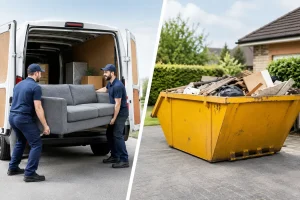

If you have ever started a clear-out thinking the hard part was lifting the old shed panels, broken furniture or bags of rubble, you will know the real question comes next – what will the waste disposal costs actually be? For most people in Wolverhampton and the surrounding area, the answer depends less on a single price list and more on what you are getting rid of, how much there is, and how quickly it needs to go.
That is why waste removal quotes can vary. A small garden tidy-up is a very different job from a kitchen refit, a landlord clearance or a builder needing regular site waste collection. The price is not just about taking rubbish away. It covers transport, labour, legal disposal, sorting, recycling and making sure the right size skip is on the right job at the right time.
What affects waste disposal costs?
The biggest factor is volume. A few bin bags of mixed household waste will cost far less to deal with than several tonnes of soil, hardcore or renovation waste. Heavy materials fill a skip differently from lighter bulky items, so two jobs that look similar in size can work out very differently in price.
Waste type matters just as much. General mixed waste is one thing. Plasterboard, mattresses, fridges, sofas, tyres and certain electrical items often need separate handling or specialist disposal routes. That pushes costs up because the waste cannot always go through standard sorting and recycling in the same way as general household or builders’ waste.
Access also plays a part. If a skip can be dropped on a clear driveway with no fuss, the job is more straightforward. If the lorry has limited access, there are parking restrictions, or the skip needs to go on the road rather than private land, the job becomes more involved. Permits, delays and awkward collections can all affect the final price.
Then there is hire length. Some customers need a skip for a weekend. Others need it for a longer building project. A short, simple hire is easier to price than a skip that must stay in place for longer or be exchanged more than once.
Why the cheapest option is not always the cheapest
It is easy to compare prices at a glance and go for the lowest number. Sometimes that works. Often, it does not.
Low quotes can leave out parts of the service that matter later. That might mean restricted weight limits, extra charges for certain waste types, added fees if the skip is overfilled, or poor communication when you need the skip delivered quickly. A price that looks cheap at the start can end up costing more once the job is underway.
There is also the legal side. Waste must be handled properly. If it is fly-tipped or taken somewhere it should not be, the cheap quote does not look like much of a bargain. For householders, landlords and trades alike, reliability and licensed disposal matter.
This is where a local, established operator usually makes more sense than chasing the absolute lowest figure. You are paying for the waste to be dealt with properly, not just collected and forgotten about.
Skip hire versus other ways to dispose of waste
For many jobs, skip hire works out to be the most practical route. It is not always the right choice, but it often gives the clearest value when you look at the full picture.
If you are planning multiple tip runs in a car or van, the costs soon add up. Fuel, time off the job, waiting at the site, loading and unloading, and wear on the vehicle all count. If the waste is bulky or heavy, those trips multiply quickly.
Man-and-van clearance services can suit smaller one-off collections, especially if you do not have space for a skip. But once the volume grows, skip hire is often more cost-effective because you are paying for a container on site that you can fill as the job progresses.
For renovation work, garden clearances, property clean-outs and builders’ waste, having a skip in place usually makes the whole job simpler. You load as you go, keep the site tidier, and avoid repeated journeys.
Choosing the right skip size keeps costs under control
One of the most common ways people overspend is by booking the wrong size skip. Too small, and you may need a second skip or an exchange. Too large, and you may be paying for capacity you do not use.
A mini skip can be ideal for lighter domestic jobs such as garden waste, a bathroom rip-out or a general declutter. Mid-sized options often suit kitchen refits, room renovations and landlord clearances. Larger skips are usually better for bulky mixed waste, building projects and jobs that produce more material over several days.
The right choice depends on both space and waste type. Heavy waste like soil, bricks and hardcore can hit weight limits quickly, even if the skip does not look full. Lighter mixed waste takes up more room but may not weigh as much. That is why a quick conversation before booking can save money. A good local provider should help you match the skip to the real job rather than simply pushing the biggest size.
Waste disposal costs for domestic jobs
For household customers, waste disposal costs usually come down to convenience and volume. A garden clearance may look modest at first, but branches, fencing panels, old turf and soil build up fast. The same goes for garage clear-outs and moving house. What starts as a few unwanted items can turn into a full skip before the day is done.
Home improvement projects are another area where costs can catch people out. Kitchens, bathrooms and general refurbishments create mixed waste, awkward shapes and heavy materials. If you try to manage that bit by bit, the project drags on and the mess hangs around longer than it needs to.
A skip gives you a fixed, straightforward way to manage the waste. You know where it is going, you can keep loading through the job, and you avoid having piles of rubbish sitting outside the property.
Waste disposal costs for builders and businesses
Commercial customers usually think about price a little differently. Cost still matters, but so do timing, reliability and keeping the site moving. If waste is not removed when expected, trades are held up, space is lost and labour is wasted.
For builders, fit-out contractors, landlords and local businesses, the cheapest disposal option is rarely the one with the lowest headline number. It is the one that turns up on time, collects promptly and keeps the job on schedule.
This is why many trade customers prefer a dependable local operator with a clear range of skip sizes and direct contact when something changes on site. Bushbury Skip Hire, for example, serves Wolverhampton with practical options from 2-yard mini skips through to 8-yard skips, which suits everything from smaller domestic work to regular builders’ waste.
How responsible handling affects the price
Proper waste disposal is not just about getting rid of rubbish. It is about what happens after collection.
Sorting waste, separating recyclable materials and reducing what goes to landfill all require facilities, staff and compliance. That work is part of the service. If a company is investing in licensed operations and high recycling rates, that brings value even if it is not always visible in the quote.
For customers, this means peace of mind. You want to know that your waste is being handled responsibly and legally. That matters whether you are a householder clearing a loft or a contractor managing regular site waste.
There can be a slight difference in price between a bare-minimum service and one backed by proper processing and recycling. In practice, many people find the reassurance is worth it.
How to avoid paying more than you need to
The best way to keep waste disposal costs sensible is to be clear from the start. Describe the waste properly, estimate the volume as honestly as you can, and mention any awkward access issues before booking. That allows the provider to quote accurately and recommend the right skip size.
It also helps to separate waste where possible. Keeping general waste apart from items that need special handling can avoid extra charges. Do not overfill the skip, and do not assume everything can go in it. Asking first is always cheaper than sorting out a problem later.
If the job may grow, say so. It is better to plan for a little flexibility than to squeeze too much into a skip that was only ever meant for a smaller load.
Waste disposal costs are rarely just about getting from A to B. They reflect the type of waste, the amount, the logistics and how responsibly it is handled. When the service is priced fairly and explained clearly, you can get on with the job knowing the waste side is sorted properly – and that is usually money well spent.