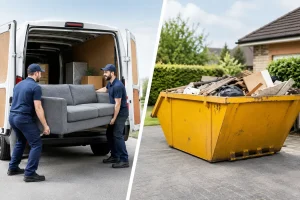
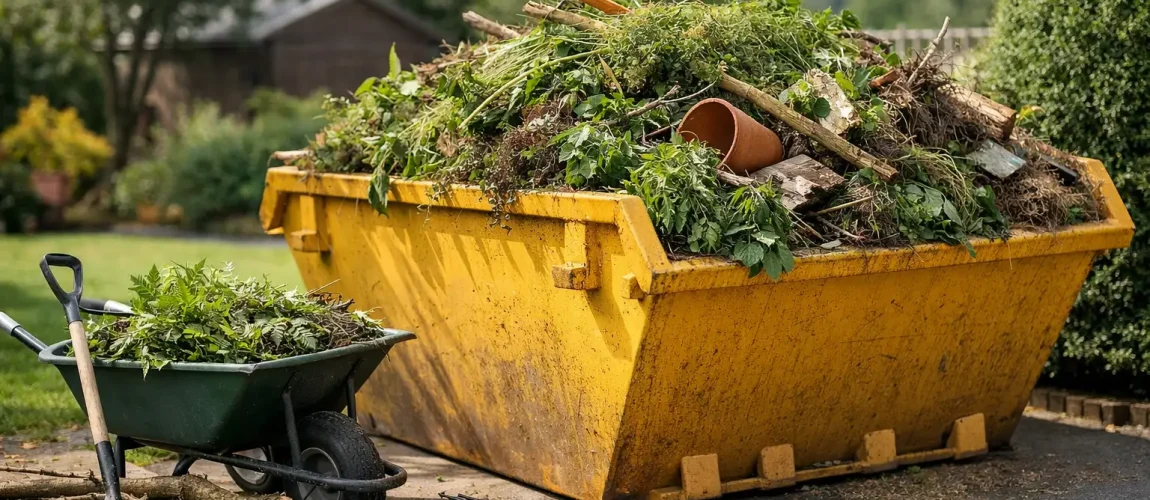
That pile of branches at the back fence usually starts small. Then the old shed comes down, the broken fence panels get stacked up, a few bags of soil appear, and suddenly the car is half full of green waste before you have even started. If you are comparing the best skips for garden clearance, the right choice comes down to what you are clearing, how heavy it is, and how quickly you want the job finished.
For most garden projects, a skip is the simplest way to keep the job moving. It saves repeated trips to the tip, keeps waste in one place, and gives you enough room to clear properly rather than doing half the job now and the rest later. The trick is choosing a size that fits the job without paying for space you do not need.
How to choose the best skips for garden clearance
Garden clearance waste can be deceptive. A tidy-up after winter might only produce a few black bags, some hedge cuttings and a couple of broken pots. A full garden overhaul is very different. Soil, turf, tree stumps, decking, sheds and fencing all take up space quickly, and some of it is much heavier than people expect.
That is why there is no single answer to the best skips for garden clearance. It depends on whether you are dealing mainly with light green waste, bulky timber, or dense materials like hardcore and soil. A small skip may look enough on paper, but if the waste is awkward or heavy, you can outgrow it fast.
As a general rule, lighter garden waste needs volume, while heavier waste needs a more careful approach to weight. If you are clearing a lot of mixed material, it often makes sense to size up slightly rather than risk running short of space.
Which skip size suits a garden clearance?
For a small tidy garden, a 2-yard mini skip is often enough. This suits hedge trimmings, weeds, small branches, old plant pots and a limited amount of general garden rubbish. It is a good option when space is tight and the job is more about clearing mess than ripping everything out.
A 4-yard skip is usually the most practical choice for standard domestic garden clearances. If you are removing shrubs, broken fencing, old garden furniture, bags of green waste and a modest amount of soil or turf, this size gives you decent capacity without taking up more room than necessary. For many households, this is where value and convenience meet.
A 6-yard skip is often the better call for larger gardens or heavier mixed waste. If the project includes shed timbers, decking boards, larger branches, paving, or several sections of fencing, the extra room helps. It is particularly useful when the job has grown from a tidy-up into a proper clear-out.
An 8-yard builders skip can work well for major garden projects, especially where there is a lot of bulky material. Think full landscaping jobs, large garden renovations, or clearance work at rental properties and commercial sites. That said, if most of the load is very heavy material like soil, clay or rubble, bigger is not always better. Weight limits matter, and a smaller skip can sometimes be the safer and more cost-effective option.
Small clearances versus full garden strip-outs
If you are simply cutting back overgrown areas and getting rid of general rubbish, a mini or midi skip often does the job. If you are removing structures, lifting old paths, or clearing years of neglect, you will usually need more space and possibly advice on the best type of skip for the material involved.
This is where speaking to a local skip hire company helps. A quick description of the job often saves a costly mistake.
What type of garden waste matters most?
Not all garden waste behaves the same in a skip. Branches and hedge cuttings are bulky but relatively light. Soil and rubble are compact but heavy. Fence panels and shed timber can be awkward to load because they create wasted space if they are not broken down first.
If your garden clearance is mainly green waste, you will need enough room for volume. If it is mainly soil, concrete posts or paving slabs, the focus shifts to safe loading and suitable skip size. Mixed loads are common, which is why many customers underestimate how much they will generate.
One practical tip is to think in layers. Heavy waste should go in first, spread evenly. Lighter and bulkier items can then sit on top. This makes better use of space and helps avoid overfilling.
Avoid paying twice for the wrong skip
Hiring too small a skip can be more expensive than hiring the right one first time. If the skip fills up before the job is done, you either need a second skip or you are back to loading the car for tip runs. Both options cost time and money.
Hiring too large a skip is less of a disaster, but it still means spending more than needed. The best approach is to be realistic. Most people estimate based on what the garden looks like before they begin. Once they start pulling up roots, dismantling old timber or cutting down overgrowth, the pile grows quickly.
If you are torn between two sizes, the larger option is often the safer choice for mixed garden waste. The difference in hire cost can be modest compared with the hassle of running out of space halfway through.
Practical points people often miss
Access is one of the first things to think about. A skip needs enough room for delivery and collection, and the ground should be suitable for the weight. A narrow drive, parked cars or low branches can all complicate the drop-off if not planned in advance.
Placement matters as well. The closer the skip is to the work area, the faster and easier the clearance will be. Carrying heavy bags of soil or wet turf across a long front path gets old quickly.
You should also be clear on what is going in. Garden waste is usually straightforward, but some items may need separate handling. If you are clearing a shed, for example, you might also have paint tins, chemicals or electrical items. These should not simply be thrown in without checking first.
Can you put soil and turf in any skip?
This is where people often get caught out. Soil and turf can go into skips, but because they are heavy, they may need a specific size or loading limit. If your clearance involves a lot of digging out, mention that when booking. It helps make sure the skip is suitable from the start.
What about branches, sheds and fencing?
These are usually fine, but they should be broken down where possible. Flat-packed timber and cut branches use space far more efficiently than whole panels and long lengths thrown in at random. A few minutes with a saw can create a lot more room.
Best skips for garden clearance in real-world jobs
For a routine domestic garden tidy-up, the best skips for garden clearance are usually 2-yard or 4-yard options. They suit everyday jobs without taking over the whole drive.
For a family garden renovation with old decking, planters, turf and fencing to remove, a 6-yard skip is often the most sensible balance of size and price. It gives enough room for mixed waste and reduces the risk of needing a second hire.
For landlords clearing an overgrown property, or trades carrying out larger landscaping work, an 8-yard skip may be the better fit, provided the waste mix is suitable. Bigger projects create more bulk, and one larger skip is often easier to manage than multiple smaller loads.
In Wolverhampton and the surrounding area, customers usually want three things from a garden clearance skip – the right size, a fair price and a quick turnaround. That is exactly why local firms such as Bushbury Skip Hire focus on clear advice and straightforward booking rather than overcomplicating the process.
A good garden clearance starts with the right estimate
If you want the job done in one go, it helps to walk the garden and count more than the obvious waste. Include the broken gate behind the shed, the stack of old slabs by the fence, the rotting raised bed, and the bags of cuttings you have not filled yet. Most clearances produce more than expected, not less.
The best skips for garden clearance are the ones that match the real job, not the optimistic version of it. A small trim-back and a full reset need different solutions, and there is no benefit in guessing when a quick conversation can point you to the right size.
A cleared garden gives you space to start again, whether that means new turf, a safer patio, or simply getting the place back under control. Choose the skip with the actual waste in mind, and the whole job becomes easier from the first bag to the final sweep.