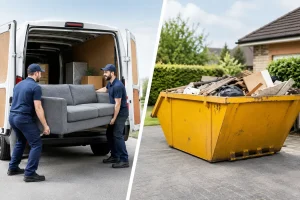

A bathroom may be one of the smallest rooms in the house, but the waste soon adds up. An old suite, broken tiles, packaging, flooring and plasterboard can quickly fill a car boot several times over. Hiring a small skip for bathroom work keeps the job moving and saves repeated trips to the tip.
For many straightforward bathroom refits, a 2-yard mini skip is a practical starting point. It is compact, affordable and suited to the heavy, awkward materials that are difficult to store safely while work is under way. The right choice does depend on how much of the room is being removed, however. A full rip-out can create more waste than people expect.
Is a small skip for bathroom waste big enough?
A small skip is often enough when you are replacing a bath or shower, toilet and basin in one standard-sized bathroom, particularly if the room is not being substantially rebuilt. A 2-yard mini skip is designed for smaller domestic projects and is useful where access or available space is limited.
Bathroom waste is dense rather than light. Ceramic toilets, basins, tiles, mortar, adhesive and rubble take up room quickly, and they add considerable weight. This is why a small skip can be a better choice than trying to bag everything up or making multiple tip runs in a family car.
That said, skip size should be based on the whole job, not just the old suite. If you are taking out a stud wall, lifting a tiled floor, replacing ceilings, changing pipework or clearing cupboards at the same time, a 4-yard skip may offer better value. It gives you room for the mixed waste without having to overfill a smaller container or arrange a second collection.
A useful rule is to think about whether you are refreshing the bathroom or stripping it back to the walls. A refresh with a few fixtures removed may suit a mini skip. A complete renovation normally needs more capacity.
What can go in a bathroom renovation skip?
Most ordinary non-hazardous bathroom renovation waste can be placed in a skip. This commonly includes old ceramic sanitaryware, tiles, bricks, rubble, timber, plastic fittings, carpets, vinyl flooring, cardboard and general construction waste.
Some materials need a little more care. Plasterboard is subject to separate disposal requirements and should not simply be mixed into a general skip without checking first. Certain types of insulation, chemicals and electrical items may also need separate arrangements. If you are unsure about an item, ask before booking or loading the skip. It is much easier to deal with a question at the start than when the lorry arrives for collection.
Do not put hazardous waste in a general skip. This includes items such as paint tins containing wet paint, solvents, gas bottles, fuel, batteries, asbestos and chemicals. These materials require specialist handling to protect people, vehicles and the environment.
If your old bathroom includes electrical equipment, such as an extractor fan, shower unit or electric towel rail, keep this separate until you have confirmed how it should be disposed of. The same approach applies to fluorescent tubes and other specialist fittings.
Why a mini skip often beats tip runs
It can be tempting to use the car and take waste to the household recycling centre yourself. For a few boxes or a small amount of broken tile, that can be sensible. Once a bathroom suite is involved, the practicalities change.
Ceramics are heavy, sharp when broken and awkward to lift. A bath can be bulky even when it is lightweight, while a cast-iron bath may be far too heavy for a convenient car journey. You also need somewhere to keep waste between tip runs, which is not ideal when access to the bathroom, drive or garden is already restricted by the work.
A small skip gives you one place for the waste as it comes out. It helps keep the site tidier, reduces the need to load and unload the car repeatedly, and lets tradespeople concentrate on the renovation rather than disposal. For landlords preparing a property between tenancies, that time saving can be particularly useful.
There is a trade-off. A mini skip has a limited capacity, so it is not the cheapest option if you later discover you need another one. Being realistic about the amount of tile, boarding, flooring and packaging involved is the best way to avoid that problem.
Think about access before you book
The best-sized skip is only useful if it can be delivered safely and placed where you need it. Before arranging delivery, consider the width of the entrance, the length of the drive and whether parked vehicles might block access. Move cars out of the way before the delivery time wherever possible.
A compact 2-yard skip is helpful for homes with limited space, but it still needs a clear, firm location. A driveway is usually the simplest option. If the skip needs to sit on a public road, you may need a permit from the local authority. Allowing time for this avoids delays to your renovation.
Think about the route from bathroom to skip as well. If the bathroom is upstairs, protect stairs and hallways before carrying out heavy ceramics. Breakable items should be handled carefully, and it is often best to remove doors, mirrors and fittings in manageable stages rather than creating one large pile indoors.
Avoid overfilling the skip
Skip sides are there for a reason. Waste should stay level with the top edge so that it can be transported safely. Piling tiles, timber or bags above the rim can make the load unsafe and may mean the skip cannot be collected until it has been reduced.
Put heavy materials in first and spread them across the base. Broken tiles, rubble and ceramics should not all be dropped into one corner. Then add lighter materials such as timber, cardboard and plastic packaging around them. This makes better use of the space and keeps the load stable.
Large items can sometimes be broken down before they go in. For example, cardboard boxes should be flattened and wooden units dismantled where practical. Do not break up materials if doing so could create dust, release harmful fibres or make them unsafe to handle.
When to choose a 4-yard skip instead
A 4-yard skip is worth considering if your bathroom project includes more than the bathroom itself. Perhaps you are replacing a separate toilet, clearing an airing cupboard, removing old flooring from the landing or renovating an ensuite at the same time. Those extra materials can turn a mini-skip job into a larger clearance.
It is also a sensible choice if you would rather have spare room than spend the last day of the project trying to make everything fit. The price difference can be better value than arranging another collection, especially where trades are booked in and the work needs to stay on schedule.
For heavier waste, the key point is not simply filling a bigger skip with rubble. Weight limits and waste types still matter. Explain what you are getting rid of when requesting a quote so the right size and service can be recommended.
A straightforward way to plan bathroom waste removal
Book the skip for the point when the removal work begins, rather than after the old suite is already sitting in the hall or garden. Make a quick note of everything coming out: the suite, tiles, flooring, units, wall coverings, packaging and any waste from related repairs. This gives a more accurate picture than judging by the size of the room alone.
For homeowners, landlords and local trades, Bushbury Skip Hire can provide practical skip options from 2-yard mini skips upwards, with waste taken to its licensed Wolverhampton sorting facility for responsible handling. A quick conversation before booking can prevent the two usual problems: ordering too little space or putting the wrong material in the skip.
A bathroom renovation is easier to manage when the waste plan is sorted first. Choose a skip that matches the scale of the rip-out, keep restricted materials aside, and leave enough room to load safely as the job progresses.