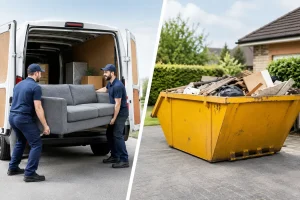

A 2-yard mini skip in Wolverhampton is often the right answer when waste is piling up but a full-size skip would be excessive. It is compact, practical and ideal for the smaller jobs that still create far more rubbish than a few wheelie bins can handle. Rather than making repeated trips to the tip, you can keep the job moving and have the waste collected in one go.
For garden clearances, a tidy-up before moving house or a small room refurbishment, a mini skip gives you a simple, affordable disposal option. The key is knowing what it will hold, what can go in it and whether it is the right size before you book.
What fits in a 2-yard mini skip?
A 2-yard skip is the smallest commonly hired skip size. As a guide, it holds around 20 to 25 black bin bags of light household or garden waste. Exact capacity depends on how the waste is packed and, more importantly, how heavy it is.
It is not a large container, but that is the point. A mini skip takes up less room on a drive and is easier to position where access is tight. It is a sensible choice when you have a defined pile of waste rather than an open-ended renovation or clearance.
Think of it as a good fit for a modest amount of mixed, non-hazardous waste. A few bags of soil, broken-up garden furniture, old carpet, cardboard, timber offcuts and general household clutter can soon fill it. If your waste includes large furniture, heavy rubble or several rooms’ worth of belongings, moving up to a larger skip is usually better value than ordering a second mini skip.
Jobs a mini skip is well suited to
A 2-yard mini skip is particularly useful for small domestic projects. It can make a real difference when you are clearing a shed, sorting out a loft, pruning back an overgrown garden or getting a rental property ready for new tenants.
It is also useful after decorating work, especially where old flooring, packaging, damaged units or timber offcuts need removing. For tradespeople, it can suit a short, contained job where waste volumes are low and space outside the property is limited.
Garden work is one of the most common reasons to hire a mini skip. Grass cuttings, hedge trimmings, weeds, branches and old plant pots can quickly become an untidy heap. A skip keeps the garden clear while you work, rather than leaving bags stacked around until the next council collection.
When a 2-yard mini skip may be too small
Choosing the smallest skip can save money, but only if it genuinely matches the job. Hiring a skip that is too small can mean a second delivery and collection, which is rarely the cheapest route overall.
A mini skip may not be enough for a full kitchen or bathroom strip-out, a substantial house clearance, roof work or a major landscaping project. Rubble, bricks, concrete, soil and clay also use up capacity quickly because they are dense and heavy. Even a small area of paving can produce more weight than many people expect.
If you are unsure, look at the waste before booking. A few manageable piles are one thing; a garage packed to the ceiling or a garden with several dismantled structures is another. It is better to allow a little extra room than to fill the skip before the job is finished.
The same applies to bulky items. Mattresses, wardrobes, sofas and large appliances take up a lot of space even when they do not weigh much. A larger skip can be more practical if several bulky items are going in together.
Where can a mini skip be placed?
The easiest location is a private driveway or other land you control. A level, accessible space close to the waste makes loading safer and faster. You should also make sure there is clear access for the delivery lorry, including room around parked vehicles, low branches and overhead cables.
A 2-yard skip is compact, but it still needs a suitable area. Do not plan to place it on soft ground, a steep slope or somewhere that blocks access to your property. If you are concerned about paving or a driveway surface, placing timber boards beneath the skip can help spread the load. This should be arranged before delivery, not after the skip has been set down.
If the skip needs to sit on a public road, pavement or verge, a permit may be required from the local authority. Permit requirements, costs and notice periods can vary, so raise this when arranging your hire. Do not assume that a small skip can be placed on the road without permission simply because it takes up less space.
For flats, shared access roads and commercial premises, check who owns or manages the land first. A landlord, property manager or site supervisor may need to approve the placement.
What can and cannot go into the skip?
Most everyday, non-hazardous waste is suitable for a 2-yard skip. This includes general household rubbish, garden waste, wood, metal, cardboard, plastic, old fixtures and fittings, and small amounts of renovation waste.
However, some materials need separate handling and must not be placed in a standard skip. These include asbestos, gas bottles, paint, oils, chemicals, batteries, tyres, fridges, freezers and other electrical items. Plasterboard may also need to be kept separate from general waste because it has specific disposal requirements.
If you are clearing a shed, garage or workshop, take a moment to check what is in the containers before throwing them away. Old tins, fuels, pesticides and cleaning chemicals are easy to overlook. Keeping prohibited items out of the skip protects people handling the waste and avoids problems with collection.
You should also avoid overfilling. Waste must stay below the top edge of the skip so it can be transported safely. A pile balanced above the sides might seem like a way to get extra value, but it can prevent the lorry from collecting the skip until the excess has been removed.
Make the most of your mini skip hire
A little planning will help you get the full benefit from a small skip. Break down cardboard boxes, dismantle lightweight furniture where practical and place flat items along the bottom. Put heavier materials in first and use gaps for smaller items. This makes better use of the available space without creating an unsafe load.
Try to keep waste close to the skip as you work, but do not block the driveway or pavement. If more than one person is involved in the clearance, agree what is going in and what needs separate disposal. This is especially helpful where there may be paint, electrical items or recyclable materials mixed in with general rubbish.
It is worth booking the skip for the period when the work will actually take place. Have the room cleared, the garden cut back or the old fittings removed before delivery where possible. That way, the skip is not sitting unused while you decide what to throw away.
A local option for smaller clearances
For customers who need a straightforward 2-yard mini skip Wolverhampton service, Bushbury Skip Hire provides a practical local option for domestic and trade waste. A family-run team and a licensed waste sorting facility mean waste can be handled properly after collection, with at least 90% of collected materials recycled.
That matters when you want the job cleared without guessing where the waste will end up. Reliable collection, a clear choice of skip sizes and local knowledge make the process simpler, whether you are clearing a garden in a weekend or finishing a small refurbishment.
Before you book
Take a quick look at the amount and type of waste, decide where the skip can safely sit and check whether a road permit could be needed. If the pile is mostly light household or garden waste and fits the scale of a small clear-out, a 2-yard mini skip can be a cost-effective choice.
If there is any doubt, it is usually better to ask about the next size up before delivery. The right skip should make the job easier from the first bag to the final collection – not leave you with a second pile of waste and another trip to arrange.