A garden clearance can look simple until you are left with a pile of soil, turf and clay at the end of the drive. So, can soil go in a skip? Usually, yes – but it needs to be the right type of soil, loaded in the right quantity and kept separate from certain materials. Soil is heavy, and that affects the skip size you need, how it can be transported and where it can be processed.
For homeowners, landlords and tradespeople around Wolverhampton, getting this right before the skip arrives avoids delays, extra charges and the hassle of having waste rejected. Here is the practical answer.
Can soil go in a skip?
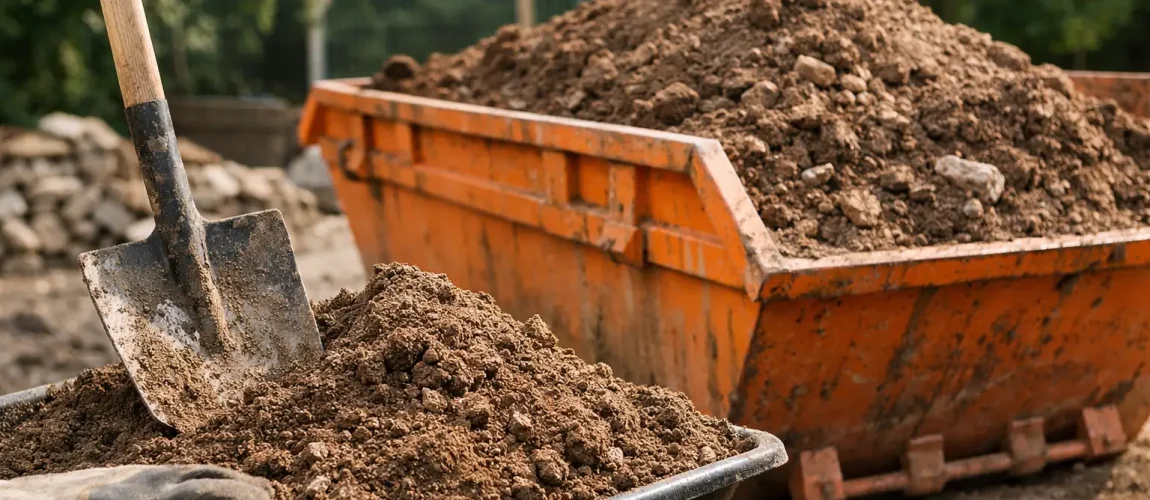
Clean, natural soil can normally go into a skip. This includes soil from digging out flower beds, levelling a garden, removing a lawn or excavating a small area for paving, fencing or a shed base. Clay, topsoil, subsoil and turf are generally acceptable where they are free from contamination.
The key word is clean. Soil that contains general rubbish, plastic, timber, plasterboard, household waste, paint tins or other mixed materials may not be suitable for a soil-only load. It becomes harder to recycle and may need a different disposal route.
If you are clearing a garden, it is often sensible to keep soil and hardcore separate from green waste such as branches, hedge cuttings and leaves. This gives the waste a better chance of being recycled properly and keeps the skip load straightforward.
Why soil needs its own approach
A skip filled with soil can become extremely heavy very quickly. Soil may look loose when it is in a heap, but it is dense. Wet clay and saturated turf are heavier still. That is why a large skip is not always the best answer for a soil clearance.
For a small digging project, a 2-yard or 4-yard skip is often more practical than an 8-yard skip. A large container filled to the top with soil can exceed safe lifting and transport limits. The skip lorry must be able to collect it safely, and the load must be suitable for legal road transport.
This does not mean you cannot hire a larger skip for a mixed renovation or landscaping project. It simply means the soil needs to make up only part of the load. If soil is likely to be the main material, tell the skip hire company when booking. A quick conversation can prevent a skip being overloaded before collection.
What counts as clean soil?
Clean soil is soil that has come from a known, ordinary source and does not contain waste or hazardous material. Typical examples include soil removed from domestic gardens, soil from a driveway excavation, or earth from landscaping work at a property.
Turf is normally fine with clean soil, although it adds weight because of the soil attached to the roots. Small stones and naturally occurring clay are also usually acceptable. However, if you are digging from a site with a history of industrial use, a former garage area, land near fuel storage or ground that has been used for dumping, it is worth checking before arranging disposal.
Soil can be contaminated without looking obviously different. Spills from oil, chemicals, paint, asbestos-containing materials or other hazardous substances require specialist handling. Do not place suspected contaminated soil in a general skip. It needs to be assessed and disposed of through the correct route.
Materials that should not be mixed with soil
A few bits of loose garden debris may seem harmless, but mixed loads can cause problems at a sorting facility. Keep the soil load free from obvious non-soil materials wherever possible.
In particular, do not mix soil with asbestos, paint, solvents, fuel, gas bottles, batteries, electrical items, tyres, fridges or fluorescent tubes. These materials need separate handling. Plasterboard should also be kept separate because of the way it must be disposed of.
Hardcore is slightly different. Clean bricks, concrete, paving slabs and rubble are often accepted as inert waste alongside soil, depending on the type of skip booked and the quantity involved. However, a load of soil mixed with general builders’ waste is less straightforward than a clean soil and hardcore load. Be clear about what you have when you request a quote.
Choosing the right skip for soil
The best skip size depends on the volume of soil, access to the property and whether you have other waste to dispose of. It is easy to underestimate how much soil comes out of even a modest excavation. A 3 metre by 2 metre area dug only 15 centimetres deep can create close to a cubic metre of material once loosened.
For a small garden tidy-up, fence-post holes or a narrow border clearance, a mini skip may be enough. A 4-yard skip suits many domestic landscaping jobs where soil is the main waste. Larger skips can work well for renovation waste or bulky household clearances, but they should not be filled entirely with earth.
Think about access as well as capacity. Soil often has to be moved by wheelbarrow, and a skip placed close to the work area can save a lot of time. If the skip needs to go on a road rather than private land, a permit may be required. Arrange this before delivery rather than leaving it until the day.
How to load a soil skip safely
Load soil evenly across the base of the skip rather than building one high pile at one end. This helps keep the weight balanced for collection. Break up large clumps where you can, particularly wet clay, and avoid dropping in heavy slabs or boulders without checking they are suitable for the skip.
Never fill a skip above its sides. Overfilled skips are unsafe to cover and transport, and the driver may be unable to collect them until the excess waste has been removed. This is especially relevant with soil, as even a small amount above the fill line adds substantial weight.
If rain is forecast and your soil is already wet, cover the pile before it goes into the skip where practical. You will not stop all moisture getting in, but avoiding a waterlogged load can make a real difference. Do not add water to settle the contents down – it only increases the weight.
Soil, green waste and the recycling route
Keeping soil separate is not just about collection. It helps with responsible waste handling after the skip leaves your property. Clean soil and inert materials can often be processed for reuse or recovery, while mixed waste needs more sorting and may have fewer recycling options.
At Bushbury Skip Hire, collected waste is taken to a licensed local sorting facility in Wolverhampton, where materials are separated to support a recycling rate of at least 90%. The cleaner and more clearly separated the load is, the easier it is to recover useful materials rather than send them for disposal.
This is one reason a skip is often a better option than multiple trips in a car or van. You have one collection point, a suitable container for the job and a licensed operator handling the waste afterwards. For builders and landlords managing several properties, that reliability matters just as much as saving time.
When a skip may not be the right choice
There are situations where hiring a skip for soil is not the most economical option. If you only have a few bags of clean soil, using it elsewhere in the garden to level low spots or build up beds may be more sensible. Some landscaping projects can also reuse excavated soil on site, provided it is suitable and does not create drainage issues.
At the other end of the scale, a major excavation can produce many tonnes of soil. For large groundwork jobs, a dedicated muck-away service or grab lorry may be more efficient than several skips. The best option depends on access, the volume of material and whether the soil is clean enough for recovery.
If you are unsure, describe the job clearly when booking: how much soil you expect, whether it is dry or wet, whether there is turf or hardcore mixed in, and where the skip will be placed. A local operator can then recommend a practical size and make sure the collection is planned properly.
A little planning before you start digging saves a lot of work afterwards. Keep the soil clean, do not overfill the skip and choose a size that suits the weight as well as the space – then your garden or building project can move on without a pile of earth holding it up.