A weekend in the garden can leave you with more waste than expected – grass cuttings, hedge trimmings, weeds, branches, broken fencing and a few old plant pots thrown in for good measure. If you are wondering how to dispose garden waste without filling the car boot for repeated tip runs, the best option depends on how much waste you have, what type it is, and how quickly you need it gone.
For small amounts, you may be able to compost at home or use a council collection service. For larger clearances, overgrown gardens or landscaping work, a skip is often the simplest and most cost-effective route. The key is getting rid of it legally, safely and without creating more hassle than the job itself.
How to dispose garden waste without wasting time
Garden waste sounds straightforward, but it can build up fast. One hedge cutback or a garden tidy after winter can easily create far more than a few bin bags. Add soil, turf, timber or old garden materials, and the job changes from a quick tidy-up to a proper waste removal task.
That is why it helps to sort the waste before you decide what to do with it. Soft green waste such as leaves, weeds and grass clippings is handled differently from heavy waste like soil or rubble. Woody waste such as branches and stumps also takes up far more room than most people expect. If you mix everything together without a plan, disposal usually becomes slower and more expensive.
In practical terms, there are four common routes. You can compost some of it at home, use your local garden waste collection if one is available, take it to a household waste site yourself, or hire a skip for larger volumes. None of these is always the right answer. It depends on the scale of the job.
Start by separating the waste
Before you load anything into bags or a skip, separate what can be dealt with easily from what needs proper removal. Grass cuttings, leaves and dead plants can often be composted if they are clean and untreated. Branches and hedge trimmings may be suitable for chipping or composting in small quantities, but if you have cut back mature shrubs or trees, they usually need collecting in bulk.
It is also worth pulling out anything that is not actually garden waste. Old fence panels, broken paving, plastic plant trays, garden furniture, compost bags and treated timber should not be lumped in with green waste without checking how they need to be disposed of. This matters because disposal rules vary, and mixing waste types can affect what service you need.
If the garden job includes renovation as well as clearance, such as replacing borders, lifting patios or removing a shed base, you are no longer dealing with just garden waste. That is often the point where a standard bin or occasional tip run stops being practical.
Composting works well for small, steady amounts
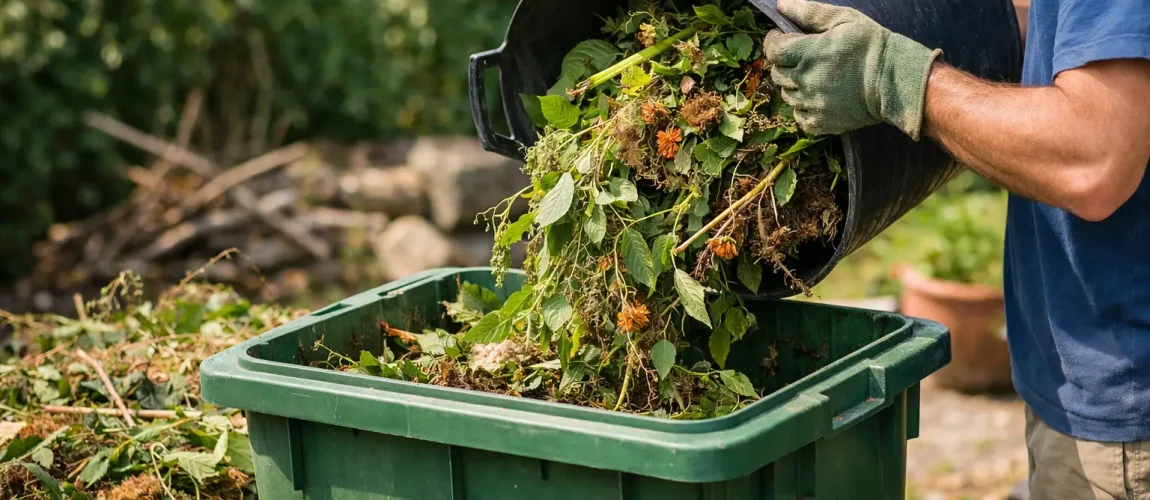
If you maintain your garden regularly, composting can be a useful long-term solution. Grass cuttings in moderation, leaves, dead flowers and soft plant matter can all break down well in a compost bin. It keeps some waste on site and gives you something useful back for the garden.
That said, composting is not a fix for everything. Thick branches, large volumes of hedge cuttings, invasive weeds and diseased plants are not always suitable. Too much grass can turn slimy, while too much woody material can take a long time to break down. If you are clearing an overgrown garden in one go, composting will only deal with a fraction of it.
For many households, composting makes sense as part of ongoing garden maintenance, not as the answer to a full clearance.
Council collections can help, but they have limits
Some councils offer seasonal or subscription-based garden waste collections. If your waste is mainly bagged leaves, small clippings and general green waste, that can be convenient. It saves you travelling and can work well for regular upkeep.
The problem is volume and speed. Collections are often limited by bin size, accepted materials and pickup schedules. If you have just cut down a large hedge or emptied a neglected garden, waiting for several collection cycles is not always realistic. Heavy items such as soil, turf or timber are usually excluded as well.
For people with a small garden and modest amounts of waste, council collections are worth checking. For bigger jobs, they tend to be too restrictive.
Taking garden waste to the tip yourself
Using a local household waste recycling centre can be a sensible option if you only have a few loads and access to a suitable vehicle. It gives you control over timing and can be cheaper than paying for a service if the amount is small.
But there are trade-offs. You need to load everything yourself, secure it properly, make the journeys, and follow site rules on sorting and access. If you are working from a family car rather than a van, bulky branches and muddy waste quickly become awkward. There is also the hidden cost of your time, fuel and repeat trips.
This is where many people realise the disposal part is harder than the garden work. A job that looked manageable can turn into an entire weekend of loading, unloading and queueing.
When skip hire is the better option
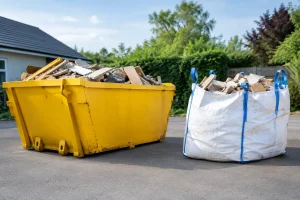
If you are clearing a large amount of garden waste, a skip is usually the most straightforward choice. It keeps everything in one place, saves multiple journeys and lets you work at your own pace. For overgrown gardens, landscaping jobs, fence replacements and mixed outdoor clearances, it is often the most efficient option.
A smaller skip can suit light garden tidy-ups, while larger skips are better for substantial volumes of branches, turf, soil and old garden materials. The right size depends on the job, and choosing too small a skip can create delays if you end up needing a second one. On the other hand, hiring much bigger than you need adds cost. That is why clear advice matters.
For local customers in Wolverhampton, Bushbury Skip Hire is often the practical answer when the waste has gone beyond what wheelie bins and car trips can handle. A reliable local service means quicker delivery, clearer pricing and confidence that the waste will be handled properly.
What can usually go in a garden waste skip
In most cases, common garden clearance materials can go into a skip. That includes hedge cuttings, branches, weeds, leaves, turf, soil, old plants and similar outdoor waste. If the job includes broken fencing, untreated timber, or non-electrical garden items, these may also be accepted depending on the load.
The main point is not to assume everything can go in together without checking. Certain items may need separate handling, especially if they are treated, hazardous or not strictly garden-related. If you are unsure, it is always better to ask before loading the skip than to sort out problems later.
Soil and heavy waste need extra thought
One of the most common mistakes with garden projects is underestimating weight. Soil, clay, rubble and wet turf become very heavy very quickly. Even a modest area of digging can produce more weight than people expect.
This matters because heavy materials often need a different skip size or loading approach. You may have plenty of physical space left in the skip, but that does not mean it can be filled to the top with dense waste. If your project includes digging out beds, levelling ground or removing old landscaping, mention that when booking. It helps make sure you get the right skip for the job.
Avoid fly-tipping and other false economies
When people need waste gone fast, cheap options can seem tempting. Unlicensed collectors, informal social media offers and cash-in-hand removals may sound convenient, but they can lead to real problems if your waste is dumped illegally. If the waste came from your property, you could still face questions about where it ended up.
Using a legitimate local waste company gives you peace of mind that the waste is being handled properly. That matters for households, landlords and trade customers alike. Responsible disposal is not just about tidiness. It is about staying legal and avoiding unnecessary risk.
Choosing the right option for your garden job
If you only have a small amount of soft green waste each week, composting or council collection may be enough. If you have a car load or two after a light tidy-up, the tip may do the job. But if the garden has become a proper project – overgrowth, cutbacks, old materials, landscaping waste or a full clearance – skip hire usually saves time, effort and repeat costs.
The best approach is the one that matches the size of the job and gets the waste removed properly first time. There is no point choosing the cheapest-looking route if it leaves you making extra trips, storing piles of waste for weeks or dealing with a second round of collection later.
A cleared garden should feel like progress, not the start of another problem. If you plan the waste removal as carefully as the garden work itself, the whole job gets easier.