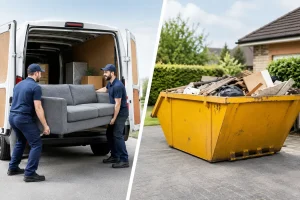

A pile of waste can grow faster than most jobs. One room stripped for renovation, a weekend garden clearance or a few days on site can soon leave you with more rubbish than the car can sensibly take to the tip. Bushbury skip hire gives households, landlords and local trades a practical way to keep work moving without repeated tip runs, overloaded vehicles or waste sitting around longer than it should.
The key is not simply hiring a skip. It is choosing a size that suits the job, allowing for where it will be placed and making sure the waste can be handled legally and responsibly. A local service should make those decisions straightforward.
Why a Skip Makes Sense for Local Jobs
For many Wolverhampton projects, a skip is the simplest answer when there is a mixture of bulky, heavy or awkward waste to remove. A bathroom refit creates tiles, timber, packaging and old fittings. A house clearance can involve furniture, broken household items and bags of unwanted belongings. Garden work often brings branches, soil, turf and green waste all at once.
Trying to deal with this in a car or van usually means several journeys, loading and unloading more than once, and working around tip opening times. It can also be difficult to transport dirty, sharp or heavy materials safely. With a skip on the drive or close to the job, waste can be cleared as the work happens.
For builders and tradespeople, it also helps keep the site safer and easier to manage. Loose materials and offcuts soon take up valuable working space. Removing them promptly makes it easier to stay organised and present a tidier job to customers.
Choosing the Right Bushbury Skip Hire Size
The right skip size depends on the volume of waste, the type of job and how much space is available. Hiring too small can mean needing a second skip, while a much larger skip than necessary may not be the best value. It is usually better to allow a little room for the waste you expect, especially where bulky items are involved.
2-yard mini skip
A 2-yard mini skip is useful for smaller clear-outs and contained jobs. It can suit garden tidying, a shed clear-out, a small amount of DIY waste or the removal of unwanted items from a flat or house. It is a sensible option when access is tight and there is no need for a large container.
4-yard skip
A 4-yard skip is a common choice for domestic projects. It can work well for a small room renovation, garden waste, a kitchen or bathroom refresh, or a moderate household clearance. For many customers, it offers a good balance between capacity and driveway space.
6-yard skip
A 6-yard skip gives more room for larger renovations, landlord clearances and builders’ waste. It is often chosen where there is a steady flow of timber, plasterboard, fittings, rubble and general mixed waste. If you are clearing several rooms or tackling a larger outdoor project, this size can avoid the pressure of filling a smaller skip too quickly.
8-yard skip
An 8-yard skip is suited to substantial house clearances, commercial waste, larger refurbishment work and ongoing building jobs. It is a useful choice when there is a lot to remove but a full builders’ skip would be excessive. Larger skips need enough room for safe delivery and collection, so it is worth checking access before booking.
A simple description of your project is often enough to get sensible advice. Say whether the job is a garden clearance, renovation, household clear-out or construction project, and mention any particularly heavy or bulky materials.
Think About Access Before Booking
Before arranging skip hire, look at where the lorry will need to go and where the skip will sit. A private drive is normally the easiest location, provided it has suitable width and clear access. Measure if you are unsure, and consider low branches, parked cars, gates and overhead cables that may affect delivery.
If the skip needs to be placed on a public road, pavement or verge, a permit may be required from the local authority. This can take time to arrange, so it should be discussed before the delivery date. Requirements vary according to the location, and there may also be conditions around lights, cones or safe positioning.
It is also worth protecting your driveway where needed. Skips are heavy, particularly once loaded, and some surfaces are more vulnerable than others. Placing sturdy timber boards beneath the skip can help spread the weight and reduce the chance of marking or damage.
What Can Go in a Skip?
Most everyday non-hazardous waste from homes, gardens and building work can usually be placed in a skip. This includes wood, cardboard, metal, bricks, rubble, soil, old furniture, plastics, general household waste and green waste. Mixing waste is convenient for clearances and refurbishment work, although certain materials may need separate handling.
Some items cannot be accepted in a standard skip because they need specialist disposal. These commonly include asbestos, paint, chemicals, gas bottles, tyres, batteries, electrical items, fridges, freezers and fluorescent tubes. Plasterboard may also need to be kept separate in some circumstances.
Do not wait until delivery day to raise a question about a difficult item. Check first if you are unsure. Proper waste handling protects you from problems and helps make sure materials are sent to the correct facility rather than disposed of incorrectly.
Load a Skip Safely and Get Better Value
How you load the skip makes a real difference. Start with flat, heavy materials at the bottom and break down larger items where practical. Cardboard boxes, dismantled furniture and cut branches take up far less space than whole bulky items thrown in at random.
Keep the load level with the top of the skip. Overfilled skips can be unsafe to transport, especially if materials are sticking out or loose waste could fall during collection. If you think the skip will not be large enough, it is safer to arrange another collection or choose a larger option than to overfill it.
Heavy waste needs particular thought. Soil, rubble and bricks can add weight very quickly, so a smaller skip may be more appropriate for dense materials than for lighter household waste. A large skip filled entirely with hardcore is not always the right choice. Explain what you are disposing of when requesting a quote so the correct option can be recommended.
Responsible Waste Disposal Matters
Cheap disposal is only good value if the waste is handled properly. Using a licensed local operator gives you confidence that your rubbish is not being fly-tipped or passed on to an unregulated collector. This matters for domestic customers as much as commercial clients, because the person who arranged removal can face questions if waste is found dumped illegally.
Bushbury Skip Hire Ltd operates its own licensed waste sorting facility in Wolverhampton and aims to recycle at least 90% of collected materials. Sorting materials for recycling helps reduce the amount sent to landfill and gives useful materials a second life where possible. It is a practical part of responsible waste management, not an added extra.
For businesses, reliable disposal also supports a cleaner site, better working practices and clearer control over waste generated during a job. For homeowners, it means the end of a clearance or renovation does not create another problem elsewhere.
Book Around the Work, Not the Other Way Round
A skip is most useful when it arrives close to the start of the job and is collected once the waste is ready to go. If you are waiting for a kitchen delivery, planning demolition work or organising a property clearance, think about the order of events before booking. A skip delivered too early may block the drive, while one booked too late can leave waste in the way.
For regular commercial work, a planned collection schedule may be the better option. For a one-off domestic job, a clear delivery and collection arrangement is usually all that is needed. Either way, direct contact and a straightforward quote make the process easier when plans change.
The best skip hire is the one that fits the job without fuss: enough capacity, safe placement, clear advice and responsible collection. With a little planning at the start, you can spend less time worrying about rubbish and more time getting the work finished.