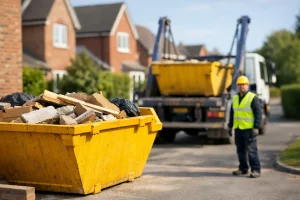
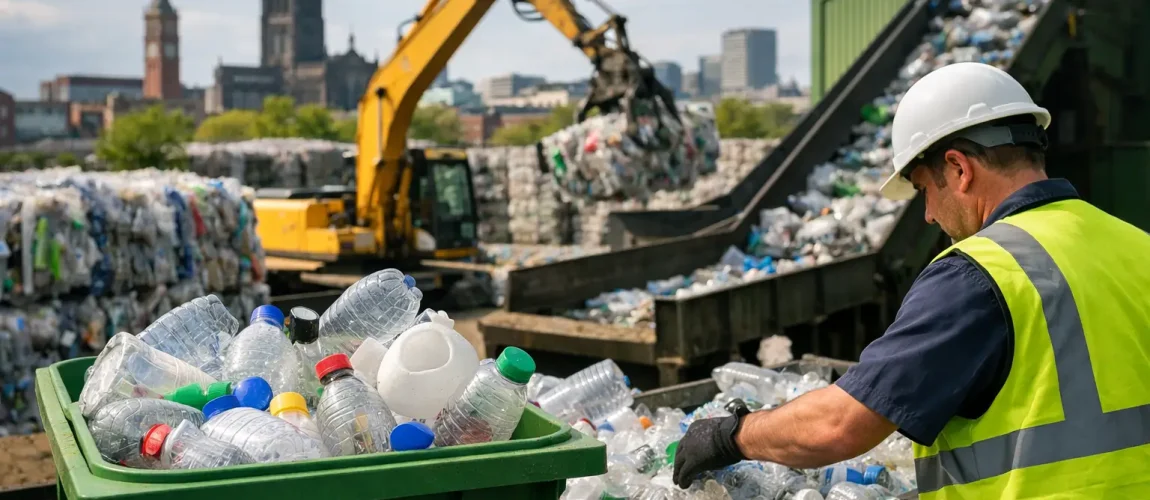
A pile of plastic waste can look like one problem, but in practice it is usually several. Old plant pots, broken toys, packaging film, detergent bottles, plastic piping from a refurbishment, and mixed site waste all need handling differently. That is why plastic recycling in Wolverhampton is not just about putting the right item in the right bin. For households, landlords and trades, it often comes down to whether the waste is sorted properly, collected legally, and taken to a facility that can recover as much material as possible.
For most people, the main issue is simple enough. You want the rubbish gone quickly, you want a fair price, and you do not want to find out later that it has been fly-tipped or sent straight to landfill. That is where a local, properly licensed waste operator makes a real difference.
Why plastic recycling in Wolverhampton matters
Wolverhampton has the same pressures seen across the Black Country – ongoing house clearances, kitchen and bathroom refits, garden projects, retail waste, packaging from deliveries, and builders’ waste from small and medium jobs. A lot of that waste contains plastic, but not all plastics are equal and not all of them can be recycled in the same way.
Rigid plastics such as bottles, tubs and some containers are generally more straightforward to recover than mixed plastics, heavily contaminated items, or bonded materials. A builder ripping out an old bathroom may have plastic panels, pipes, buckets and wrapping all in one load. A family clearing a garage may have storage boxes, broken chairs, old toys and bags of mixed packaging. Once waste is mixed together with soil, plasterboard, food residue or general rubbish, recycling becomes harder and more expensive.
That is the practical side of the issue. The wider side is just as important. Better recycling means less pressure on landfill, less wasted material, and a cleaner local environment. It also helps customers meet their own responsibilities, especially businesses and trades who need confidence that waste is being managed properly.
What plastics can usually be recycled?
The short answer is that it depends on the type of plastic, its condition, and what it has been mixed with. That is the bit many people are not told clearly enough.
Clean, rigid plastic items are often the best candidates for recycling. Things like plastic bottles, drums, tubs, trays and some hard containers are generally easier to separate and process. In commercial and construction waste, certain hard plastics can also be recovered where loads are handled at a licensed sorting facility.
The problems tend to start with low-grade or heavily contaminated material. Plastic film, wrappers, mixed packaging, composite products and items covered in paint, plaster, food or chemicals are less straightforward. Some may still be sorted for recovery, but some will not be suitable for recycling at all. A skip full of mixed renovation waste can still achieve a strong recycling rate overall, but that does not mean every plastic item in it will become new plastic products.
That is why honest waste handling matters. Promising that everything is recyclable sounds good, but it is not how waste management works in the real world.
What happens after collection?
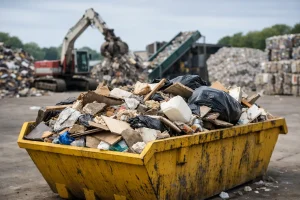
Once a skip or waste load is collected, the important part is what happens next. If waste goes to a licensed sorting facility, it can be separated into different streams such as wood, metal, hardcore, cardboard and recoverable plastics. The more effectively that sorting is done, the better the recycling rate.
This is where local operational capability matters more than marketing claims. A company with its own licensed waste sorting facility has more control over how loads are processed. It is not simply picking up waste and passing the problem along. It can sort materials properly, remove recyclable fractions, and reduce the amount that ends up as residual waste.
Bushbury Skip Hire Ltd is one example of that local approach in Wolverhampton, with its own licensed sorting facility and a stated recycling commitment of at least 90% of collected materials. For customers, that means the service is not only convenient but also backed by actual waste handling infrastructure.
Plastic waste from homes, gardens and clearances
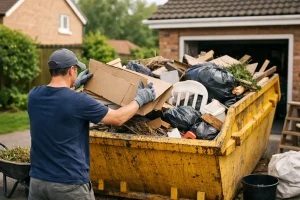
For domestic customers, plastic waste builds up quickly during jobs that seem fairly small at first. A loft clear-out can produce bags of old packaging, broken storage tubs and unwanted household items. A garden project may leave plastic plant pots, compost bags, edging, furniture and children’s outdoor toys. A bathroom refit can generate pipes, wrapping, sealant cartridges and old fittings.
Some of this can go through normal household recycling routes, but plenty of it cannot, especially when the volume gets too high. That is usually the point where repeated car journeys to the tip stop making sense. They take time, they create mess, and if the waste is mixed, you may still struggle to dispose of everything in one go.
A skip gives you one place to keep the job moving. It also means the load can go for proper sorting, rather than being bundled into smaller amounts and dealt with less efficiently. For many households, the value is not only convenience. It is knowing the waste has gone through the right channels.
Plastic waste on building and trade jobs
Tradespeople and builders tend to see the issue more clearly because they deal with it all the time. Deliveries arrive wrapped in plastic. Materials come in tubs, bags and sealed packaging. Old fittings are removed and replaced. Offcuts, buckets, pipework and broken components pile up over the course of a job.
On site, speed matters. Nobody wants waste stacked in corners or spread across a driveway for days. But if the waste is removed without thought, recyclable material gets lost in the mix. The best approach is usually practical rather than perfect – use the right skip size, keep obvious contaminants down where possible, and work with a reliable operator who sorts loads properly after collection.
This is especially useful for landlords, shopfitters and small contractors handling refurbishments across Wolverhampton. You may not have time to separate every single item by hand, but you still need a dependable waste solution that supports recycling as far as the material allows.
Common mistakes that reduce recycling rates
One of the biggest mistakes is assuming all plastic goes in the same category. It does not. Hard plastic furniture, soft film, food trays and construction plastics can all require different treatment.
Another common problem is contamination. If plastics are buried under wet general waste, plaster, insulation or food residue, they are less likely to be recovered. Overfilling a skip can also create handling issues and may lead to delays or extra costs. The same goes for putting prohibited materials in with general waste.
There is also the issue of using unlicensed carriers because they seem cheaper. That can backfire quickly. If waste is not handled legally, the low quote stops looking like a bargain.
Choosing the right waste option
Not every plastic-heavy job needs the same setup. A small household clear-out may suit a mini skip, while a renovation or trade project may need something larger to cope with bulkier mixed waste. The right size matters because too small and you risk overfilling, too large and you may pay for space you do not need.
For most customers, the best option is the one that balances cost, speed and proper waste handling. That means speaking to a local provider, being clear about the type of job, and describing the waste honestly. If the load includes bulky plastics, packaging, old fixtures or mixed building materials, say so at the start. Good advice on skip size and permitted waste can save hassle later.
A more realistic way to think about recycling
There is a tendency to treat recycling like an all-or-nothing issue. Either everything gets recycled or the whole system is not worth much. In reality, good waste management is about improving recovery rates as much as possible while dealing responsibly with the material that cannot be recycled.
That is a more useful way to look at plastic recycling in Wolverhampton. The goal is not to pretend every item can be reused. The goal is to collect waste efficiently, sort it properly, recover what can be recovered, and keep landfill to a minimum.
For households, that means less stress during clearances and projects. For businesses and trades, it means keeping sites tidy, costs predictable and waste paperwork straightforward. For the area as a whole, it means more material staying in use and less ending up where it should not.
If you have a job coming up and you know plastic waste will be part of it, the sensible move is to plan disposal at the same time as the work itself. A reliable local service, the right skip, and proper sorting after collection make the whole process easier – and a lot more responsible.