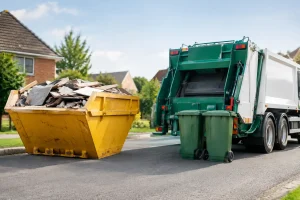
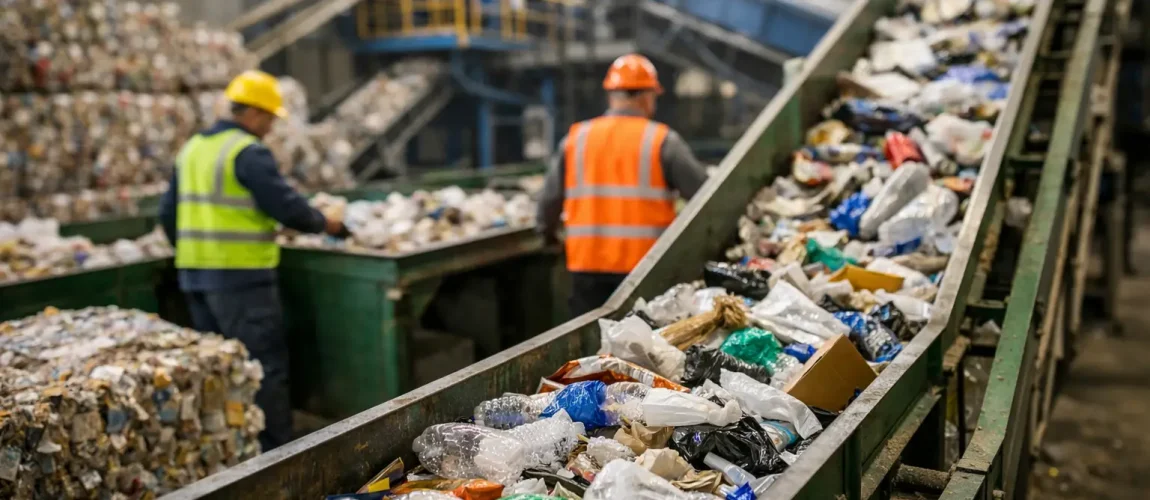
If you hire a skip, fill it, and watch it disappear on the lorry, the job can feel finished there and then. In reality, that is only the halfway point. What happens after collection matters just as much as the skip size you chose, especially if you want your waste handled properly, legally, and with as much recycled as possible.
A licensed waste sorting facility is where mixed waste is taken apart into usable material streams instead of being treated as one bulk load. For household customers, that means your garden clearance, kitchen rip-out, or garage waste does not simply vanish into a hole in the ground. For builders and trades, it means site waste can be managed in a way that supports compliance and keeps recyclable material out of landfill wherever possible.
Waste sorting facility explained guide for skip customers
At a basic level, a waste sorting facility is a site where collected waste is received, inspected, separated, and sent on for recycling, recovery, or disposal. The aim is simple – pull out as much reusable material as possible and make sure the rest is dealt with through the correct channels.
When a skip arrives at the yard, the load is not all treated the same. Wood, metal, hardcore, plastics, cardboard, green waste, and general mixed waste all have different routes. Some materials can be recycled easily if they are kept reasonably clean and separated. Others need more handling. Some items cannot go in a standard mixed waste skip at all and need specialist disposal.
That is why the waste type matters at the booking stage. If a customer says they have soil and bricks, that points to one handling route. If it is a house clearance with mixed contents, that points to another. Getting that right from the start helps avoid delays, contamination, and extra cost.
What happens when your skip reaches the yard
The first step is usually weigh-in and inspection. This checks what has arrived, whether the load matches the declared waste type, and whether there is anything that should not be there. Items such as plasterboard, asbestos, tyres, fridges, petrol bottles, paint tins, and certain electricals often need separate handling and should never be slipped into a general skip without checking first.
After that, the waste is tipped into a designated area for sorting. Depending on the material, sorting can be done by plant, by hand, or by a mix of both. Larger facilities may use screens, magnets, grab handlers, or picking lines. The principle stays the same – recover what can be recovered.
Metals are one of the easier materials to separate and recycle. Hardcore such as bricks, rubble, and concrete can often be processed for reuse in aggregate applications if it is kept clean enough. Timber can go for recycling or recovery, while cardboard and some plastics can be baled and sent onward if contamination is low.
Mixed household and building waste is more complicated. A ripped-up bathroom or kitchen usually contains several materials packed together – wood, plastic, ceramic, metal fixings, packaging, and general rubbish. That takes more time to sort, and the cleaner the load, the better the recycling outcome tends to be.
Why sorting matters more than people think
The biggest reason is environmental, but there is a practical side too. Landfill is not the cheap, simple answer some people assume. Disposal costs are high, landfill space is limited, and regulations are tighter than they used to be. A proper sorting process reduces the amount that needs final disposal.
There is also the compliance angle. If you are a homeowner, you want confidence that your waste is being handled by a licensed operator. If you are a builder or landlord, that matters even more because poor waste handling can create paperwork issues, site problems, and unwanted questions later.
A facility-backed operator has more control over what happens after collection. That generally means fewer unknowns, clearer accountability, and a better chance of achieving a strong recycling rate. Bushbury Skip Hire, for example, operates its own licensed waste sorting facility in Wolverhampton, which gives customers a straightforward route from collection through to responsible processing.
What can usually be sorted and recycled
A lot of skip waste is recyclable, but only if it is loaded sensibly and does not get contaminated. Common recoverable materials include metal, wood, cardboard, green waste, hardcore, and certain plastics. Soil, bricks, and concrete can often be processed separately and are usually better booked in the right waste category from the start.
The phrase “mixed waste” is where confusion often starts. Mixed waste does not mean anything goes. It means a combination of permitted materials that can still be sorted at the yard. If a load contains food waste soaked into cardboard, paint over everything, or prohibited items buried underneath, the sorting job becomes harder and more expensive.
This is why cheap skip hire and responsible waste handling are not opposites, but they do depend on customers following the rules. A skip that is loaded properly is quicker to process, safer to handle, and more likely to produce recyclable output.
A waste sorting facility explained guide to common issues
The most common issue is contamination. That sounds technical, but it often comes down to a few basic mistakes. Bagging up general waste with plasterboard offcuts, mixing soil with timber and plastic, or hiding electrical items under rubble can all affect how the load is classified.
Overloading is another problem. If waste is piled above the skip sides, the driver may not be able to collect it safely. Even if it is collected, overfilled skips make transport and sorting more difficult. The same applies to very heavy materials. Soil, concrete, and bricks build weight quickly, so the right skip type matters as much as the volume.
Then there is the question of restricted items. Many first-time customers assume all waste is skip waste. It is not. Hazardous or specialist materials need separate arrangements because they carry different legal and handling requirements. Asking before booking is always faster than sorting it out after collection.
How this affects price and service
Customers usually focus on the hire price first, which is fair enough. But the quoted price is tied to the type of waste, the expected weight, the skip size, and the disposal route. A clean hardcore load is different from a mixed renovation skip. A garden clearance is different from a shop refit. The processing work behind the scenes is not the same.
This is where local control helps. If your skip provider is relying entirely on third parties downstream, service can be slower and less predictable. If they run their own facility, they can usually manage collections, turnaround, and sorting more directly. That can support reliability as well as value.
For domestic customers, the practical takeaway is simple – be clear about what you are throwing away. For trade customers, it is worth thinking in streams where possible. Keeping hardcore separate from mixed waste, for instance, can make disposal more efficient and sometimes more cost-effective too.
What to ask before you book
If you want a straightforward service, ask who handles the waste after collection, whether the business is licensed, and what materials are accepted in your chosen skip. It is also worth checking whether the company has a recycling target and whether they can advise on the right skip for your job.
A good operator should be able to tell you clearly what can go in, what cannot, and what happens next. That is a better sign than vague promises about “taking care of everything” with no detail behind it.
For most customers, a waste sorting facility is not something they ever visit. Even so, it plays a major part in whether skip hire is just convenient or genuinely responsible. The visible part is the skip on your drive or site. The part that really decides the outcome is what happens once that waste reaches the yard.
If you are booking a skip, think beyond collection day. A reliable service is not only about getting the skip dropped off and picked up on time. It is about knowing the waste will be sorted properly, the recyclable material will be recovered where possible, and the whole job will be handled the way it should be from start to finish.