A worn-out sofa can look like ordinary rubbish, but it may be classed as POPs waste. That means it cannot simply be broken up and placed in a general waste skip with timber, rubble and household clearance waste. Knowing the difference before your clearance starts can prevent a rejected load, delays and unnecessary disposal costs.
For most homes, landlords and tradespeople in Wolverhampton, the issue comes up when getting rid of old upholstered furniture. The rules are there to make sure harmful chemicals are dealt with properly, rather than being spread through the recycling process or sent to landfill.
What is POPs waste?
POPs stands for persistent organic pollutants. These are chemicals that do not break down easily in the environment and can build up over time. Some were used in products for fire resistance, including certain types of foam and upholstery found in older furniture.
The waste rules around POPs are strict because these materials need specialist treatment. They should not be recycled into new products, and they cannot be handled in the same way as general mixed waste. In many cases, they must be separated and sent for high-temperature destruction at an approved facility.
The term can sound technical, but the practical point is straightforward: if you are clearing upholstered seating, check how it must be disposed of before ordering a skip or loading a vehicle.
Which items are likely to be classed as POPs waste?
The items most commonly affected are upholstered domestic seating. This usually means furniture containing fabric, leather, foam, padding or cushioning.
Examples can include sofas, sofa beds, armchairs, recliners, dining chairs with padded seats or backs, upholstered stools, office chairs, gaming chairs, bean bags, floor cushions and upholstered footstools. Furniture from a home, rental property, office, pub or other business premises can all be affected.
There are exceptions. Items without upholstery, such as a solid wooden chair, metal chair or plastic garden chair, are not normally treated as POPs waste. Mattresses, curtains, carpets, blinds and bedding are also generally dealt with under different waste arrangements. However, rules and acceptance conditions can vary by disposal site and by the exact item, so it is sensible to ask if you are unsure.
Can POPs waste go in a skip?
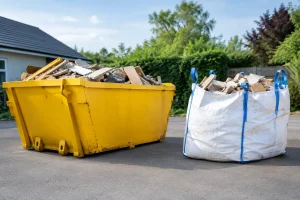
In most cases, upholstered seating should not go into a standard mixed-waste skip. A skip is designed for materials such as soil, hardcore, wood, metal, general household waste and non-hazardous builders’ waste, depending on the type of hire agreed.
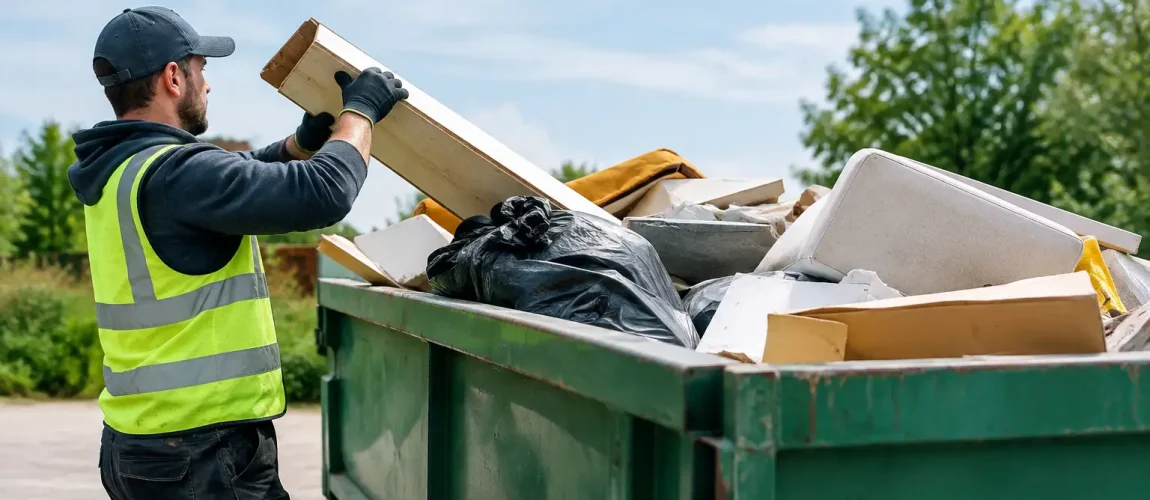
Once upholstered seating is mixed into a skip, it can be difficult to separate safely and may contaminate material that would otherwise be sorted for recycling. This is why skip hire companies and waste facilities need customers to declare these items before collection.
Do not assume that removing the fabric, cushions or foam makes a sofa suitable for a skip. Taking furniture apart can create further handling problems and does not change the fact that the upholstered components may contain POPs. Keep the item whole where possible and arrange a suitable collection or disposal route.
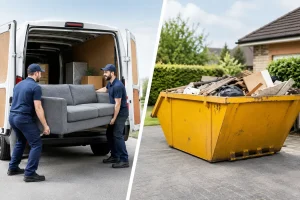
If your project includes a sofa, armchairs or padded office chairs alongside ordinary clearance waste, plan for two waste streams. Your general waste can often go in a skip, while the upholstered items need separate handling. This is usually far easier than discovering the problem once the skip is loaded.
Why separate disposal matters
It is tempting to see an old sofa as just another bulky item, particularly during a house clearance or refurbishment. But putting POPs items in the wrong waste stream creates real problems further down the line.
Waste sorting facilities recover materials such as wood, metals and aggregates where possible. If POPs-containing upholstery enters that process, the chemicals can be transferred into recycled material or released during treatment. Separate disposal helps protect workers, keeps recycling streams cleaner and ensures the waste reaches the correct authorised facility.
There is also a legal side. Anyone producing waste has a duty to make reasonable checks that it is passed to a licensed carrier and handled correctly. For landlords, builders and businesses clearing multiple properties, getting this right is particularly important. Choosing the cheapest option is not good value if the load is refused or disposed of unlawfully.
Planning a clearance with POPs items
A quick check before booking can make your job run much more smoothly. Walk through the property, garage, shed or site and identify anything that is upholstered. Do this early, especially if you are clearing a rented house after a tenant has moved out or stripping out an office.
Keep upholstered seating dry and separate from your main waste pile. Do not crush it under heavy materials, burn it, leave it on the pavement or take it apart to fit more into a skip. Water damage and loose foam make items harder to handle, while burning waste can release harmful substances and may be illegal.
For a larger job, separate your waste into simple groups: general skip waste, rubble and soil if applicable, recyclable materials, electrical items, and upholstered seating. You do not need to turn a clearance into a complicated operation, but a little sorting can save time on collection day.
If you are hiring a skip
Tell the skip provider what you are planning to dispose of. Be clear if your load includes old sofas, chairs, padded stools or commercial seating. A reputable local operator will explain what can go into the skip, what must stay out and whether a separate arrangement is needed.
At Bushbury Skip Hire, straightforward information at the booking stage helps avoid surprises. A 2-yard mini skip may suit a small garden clear-up, while larger skips are useful for renovation or clearance waste, but the right skip size does not change the rules for restricted materials. Declaring your waste is the best way to receive the right advice first time.
If you are using a household waste site
Household waste recycling centres may accept upholstered seating, but their procedures can differ. Some sites ask residents to place it in a separate container, while others have limits on vans, trailers or the number of visits. Check the current local arrangements before setting off, particularly if you have a bulky load.
Businesses, landlords and tradespeople should not assume they can use household facilities for commercial waste. Commercial waste needs an appropriate collection or disposal route, with the correct paperwork where required.
Common mistakes to avoid
The most common mistake is loading a sofa into a skip because there appears to be room left at the top. The second is treating upholstered furniture as recyclable simply because parts of it contain wood or metal. Although those materials may be recyclable in other circumstances, the item must first be dealt with through the correct POPs process.
Another issue is leaving furniture beside a skip for collection without telling the provider. The driver may not be able to take it, meaning it is left behind and the clearance is delayed. If your property has several old chairs or sofas, mention the quantity and type when you ask for a quote.
Finally, do not use an unlicensed collector offering a quick cash collection with no paperwork or clear destination for the waste. If your rubbish is fly-tipped, it can still come back to you. Local, licensed waste handling gives you a far safer and more responsible route.
A simpler way to manage a mixed clearance
Most clearances contain a mixture of materials, and that is normal. The answer is not to avoid hiring a skip. It is to use the skip for the waste it is designed to carry and make a separate plan for anything restricted.
If you are unsure whether an item is POPs waste, describe it before booking rather than guessing. A clear photo and a short description of the material can often help a waste provider confirm the best route. That small check keeps your clearance moving, protects the recycling process and means your old furniture is dealt with properly from the start.