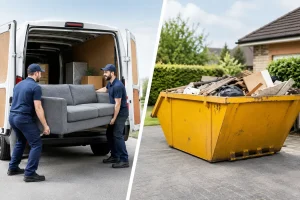

A garden clearance can get bigger far quicker than expected. One overgrown hedge, a few old fence panels and several bags of soil soon leave a driveway full of waste. Garden waste skips in Wolverhampton give you one reliable place to put it all, without loading the car repeatedly for trips to the tip.
For anything beyond a light tidy-up, a skip is often the practical option. It keeps the job moving, helps keep paths and driveways clear, and means the waste can be taken away in one collection when you are finished.
When a garden skip is the sensible choice
A skip is particularly useful when clearing an overgrown garden, removing shrubs, cutting back trees or replacing fencing. It also makes sense for landscaping work involving turf, soil, paving, sleepers and old garden structures. If you are preparing a rental property, selling a home or bringing a neglected outdoor space back into use, having a skip on site avoids the stop-start nature of multiple disposal runs.
The right option depends on what is coming out of the garden. Grass cuttings and prunings are relatively light but bulky, while soil, rubble and paving are heavy. Old sheds, timber and fence panels can take up more room than people expect. Thinking about both volume and weight before booking will help you choose a suitable skip and avoid overfilling it.
Choosing the right garden waste skip size
For smaller clearances, a 2-yard mini skip is often enough for bags of green waste, a modest amount of soil, or a few broken garden items. It suits a quick seasonal tidy where the waste is contained rather than spread across the whole garden.
A 4-yard skip is a popular choice for a more substantial clear-out. It can handle hedge cuttings, branches, old planters, timber and several bags of garden waste, with room for the odd bulky item. If you are replacing a small fence or clearing a well-established flower bed, this size is often a sensible middle ground.
For larger landscaping jobs, a 6-yard or 8-yard skip gives you more capacity for mixed garden waste and bulky materials. These sizes are useful when a shed is being dismantled, several fence runs are being removed, or a garden is being stripped back before new landscaping begins. However, heavy materials such as soil, clay, concrete and paving need care. A skip may look only partly full, but it can still reach its safe weight limit.
If your job includes a large quantity of soil or hardcore, say so when arranging the hire. It allows the skip provider to advise on the best size and loading approach for the material. Booking too large a skip is not always the answer if the waste is especially dense.
A quick rule for mixed garden jobs
If the work is mainly leaves, branches, turf and light timber, choose based on how much space the waste will take up. If it is mainly soil, slabs, bricks or rubble, choose based on weight as well as capacity. When in doubt, describe the job clearly before booking rather than guessing from photos of an empty skip.
What can go into a garden waste skip?
Most ordinary non-hazardous garden materials can be placed in a skip. This includes grass, weeds, leaves, hedge trimmings, branches, plants, turf, soil, untreated timber, old fencing, garden furniture, sheds and general household items found during the clear-out.
Mixed loads are common. For example, a garden project might produce branches, damaged fence panels, broken pots, old decking and a few bags of rubble. That is usually straightforward, provided the materials are suitable for skip disposal and the skip is not loaded above its sides.
Waste needs to stay level with the top of the skip. Loose branches should be cut down where possible, and flat items such as panels or timber should be stacked rather than thrown in at random. This makes better use of the space and helps ensure the load can be transported safely on the collection lorry.
What should stay out of the skip?
Some items need separate disposal because they are hazardous, restricted or require specialist handling. Do not put paint, chemicals, fuel, gas bottles, tyres, batteries, asbestos, electrical items or plasterboard in a general garden skip unless you have specifically agreed this in advance.
It is also worth checking before loading treated timber, railway sleepers or materials from an old shed roof. Older garden buildings can contain materials that cannot be handled in the same way as normal timber and general waste. A short call before the work starts is much easier than having a loaded skip that cannot be collected as planned.
If you are clearing a pond, water feature or greenhouse, separate the contents where you can. Glass, liners, pumps and electrical fittings may need different arrangements from ordinary green waste. The same applies to larger quantities of contaminated soil, which should always be raised before hire.
Driveway or road: where should the skip go?
A private driveway is normally the simplest place for a garden skip. It keeps the skip close to the work, avoids blocking the road and can reduce the need for a permit. Check the width and access first, especially if there are low branches, narrow gates or parked vehicles that could prevent safe delivery.
If the skip needs to sit on a public road, a council permit may be required. The exact requirement depends on the location and the local authority rules. Give as much notice as possible, as permits can take time to arrange and may affect the delivery date. You should also consider whether the skip will interfere with neighbours, dropped kerbs, junctions or access for emergency vehicles.
For tight spaces, it can be tempting to position a skip on a grass verge or pavement. Do not assume this is allowed. These areas may be public land, and a heavy skip can cause damage or create an obstruction. Ask for advice before booking if your driveway is unsuitable.
Make the most of your skip hire
Start the clearance by separating anything you plan to keep, donate or reuse. It is easy to throw out tools, pots, timber or garden furniture in the rush to make space, then regret it later. Once that is done, break down bulky items and cut branches into manageable lengths.
Load heavy materials first and spread them across the base. Put lighter, awkward items on top, filling gaps as you go. Avoid creating a pile in the middle or leaving long pieces sticking out. A well-loaded skip can hold considerably more than a rushed one, while still remaining safe to collect.
Try to schedule delivery for the point when you are ready to begin. A skip is useful, but it takes up room and can encourage neighbours or passers-by to add their own waste if left unattended. If the work will take several days, keep the skip covered or positioned where possible to discourage unwanted use.
Responsible disposal after the clearance
Garden waste does not simply disappear when the skip is collected. Using a licensed local operator gives you confidence that it is taken to the right place for sorting and processing, rather than being fly-tipped elsewhere. Green waste, timber, metal and other recoverable materials can often be separated from the load for recycling.
Bushbury Skip Hire operates its own licensed waste sorting facility in Wolverhampton and aims to recycle at least 90% of collected waste. That matters when you want a straightforward service without losing sight of where the material ends up.
The cheapest-looking option is not always the best value if collection times are unclear, prohibited items are not explained, or waste handling cannot be accounted for. A reliable local skip service should make the process clear from the first call: the size available, where it can be placed, what can go in it and when it will be collected.
A cleared garden gives you room to get on with the enjoyable part – planting, repairing, landscaping or simply using the space again. Arrange the right skip before the first cut branch hits the ground, and the whole job will be easier to manage.