A garden dig-out can look manageable until the first pile of wet earth is sitting on the drive. If you are asking what skip size for soil you need, the key point is simple: soil is heavy. The right choice is based less on how much space the soil takes up and more on how much it weighs once loaded.
Hiring a skip that is too large can seem like the safe option, but it may not be suitable for dense waste such as soil, clay, turf or rubble. A smaller, correctly specified skip is usually easier to load safely, easier for the collection lorry to handle and better value for the job.
What skip size for soil is normally best?
For most domestic soil removal jobs, a 2-yard, 4-yard or 6-yard skip is the practical range. The best size depends on the amount of soil, whether it is dry or wet, and whether you are loading soil only or mixing it with other waste.
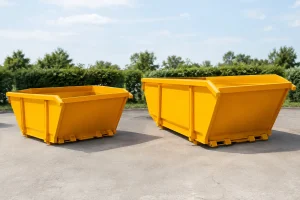
A 2-yard mini skip suits small garden jobs. It is a good choice for clearing a flowerbed, removing soil from a small patio project or taking away the spoil from a few fence-post holes. It is compact, which helps where driveway space is limited, but it fills quickly if you are digging out a larger area.
A 4-yard skip is often the best all-round option for soil. It is commonly used for modest landscaping work, turf removal, small garden levelling projects and driveway preparation. It holds a useful amount without creating the weight issues that can arise when a larger skip is filled entirely with heavy material.
A 6-yard skip can work well for a bigger excavation, provided it is approved for soil and loaded within the agreed weight limit. This size is useful when you are clearing a larger garden, digging foundations for a small extension or removing soil alongside limited amounts of hardcore.
An 8-yard skip is usually best reserved for lighter, bulkier materials such as household waste, timber, packaging and general builders’ waste. It may be available for some soil jobs, but a full 8-yard skip of wet soil can be extremely heavy. Always check before booking rather than assuming that a bigger skip means you can put more soil in it.
Why soil needs a different approach
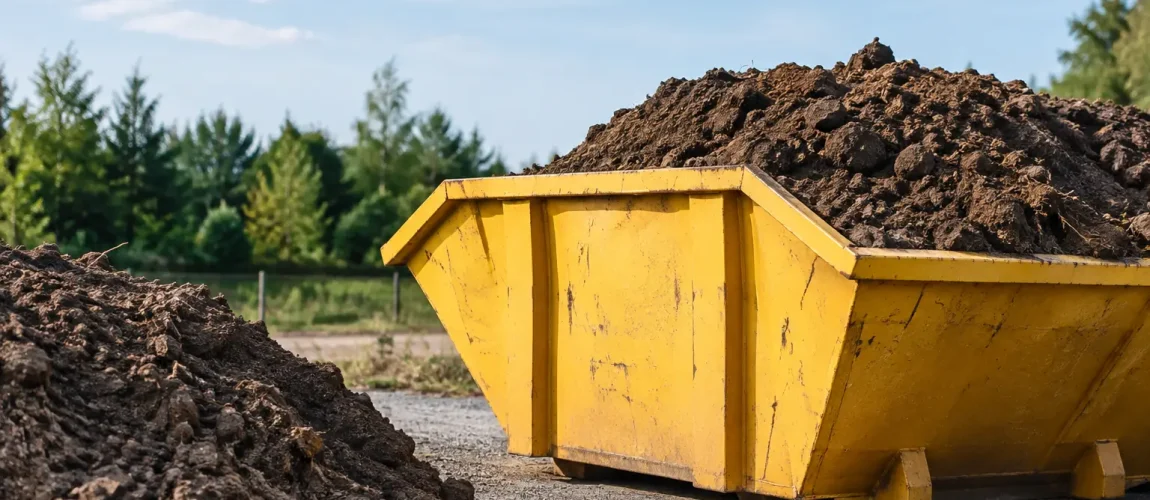
Soil can be deceptively dense. A skip filled with dry topsoil is heavy enough, but rain-soaked clay, compacted subsoil and turf with roots attached can add a great deal more weight. Rubble, concrete, paving slabs and bricks create the same problem.
Skip sizes describe volume, not a guaranteed weight allowance for every material. Two skips that look equally full can have very different weights depending on what is inside. For this reason, waste carriers may place restrictions on heavy loads or ask for soil and hardcore to be kept separate from general waste.
Overloading is not just a question of cost. A skip that is too heavy may be difficult or unsafe to lift onto the lorry. It can also be unsuitable for transport and processing. Keeping within the stated limit protects everyone involved and helps prevent delays to collection.
Match the skip to the size of the dig
Before booking, think about the job in terms of the area you are excavating. Measure the length and width of the space, then estimate the average depth you plan to remove. Even a shallow dig across a broad area produces more spoil than most people expect.
For example, taking 100mm of soil from a 20-square-metre garden area creates around two cubic metres of loose material before allowing for turf, stones or extra excavation. Once dug up, soil is no longer compacted in the ground, so it takes up more room in the skip.
If your project involves a small border, pond hole or patio base, a 2-yard or 4-yard skip may be enough. For a full garden regrade, driveway dig-out or foundation work, you may need a 6-yard skip or more than one collection. Multiple smaller loads are often the sensible option where the soil is particularly wet or clay-heavy.
Soil only or mixed waste?
This makes a real difference to the size and type of skip you should order. A skip containing clean soil can often be sorted and recovered more easily than one containing a mixture of soil, plastic, timber, plasterboard, metal and household rubbish.
If possible, keep excavated soil in one skip and use a separate skip, bag or collection arrangement for lighter waste. Clean soil means soil with no general rubbish mixed through it. Small stones and naturally occurring roots are usually expected, but you should confirm any specific material restrictions when arranging your hire.
Hardcore such as bricks, concrete, paving and blockwork is also heavy. It can sometimes be loaded with soil in a suitable skip, but this should be agreed in advance. Do not fill a skip with heavy material and then add a layer of general waste on top without checking. The skip may still look within its fill line while exceeding the permitted weight.
Do not load above the fill line
Every skip has a maximum fill level. Keep all waste level with the top of the sides, with nothing sticking out. Soil should be spread evenly across the base rather than piled high at one end.
An overfilled skip can be refused for collection because loose material may fall during lifting or transport. Covering an overloaded skip does not solve the problem. Loading evenly also makes it easier to see how much capacity remains and reduces the chance of finding out too late that you need another load.
Turf deserves a little extra thought. It contains soil, but it also carries moisture, grass and roots. Freshly lifted turf can be surprisingly heavy, particularly after rain. If you are removing a whole lawn, explain this when you ask for a quote so the right skip can be recommended.
Consider access before choosing a soil skip
The skip has to be delivered, positioned and collected safely. Check that your driveway has enough room and that there are no low branches, cables, parked vehicles or narrow access points that could affect the delivery.
A compact skip can be the better choice for a small property, even where the amount of spoil seems to point towards a larger size. In that case, arranging a second collection may be more practical than blocking access or trying to overfill one skip.
If the skip needs to sit on a public road, verge or pavement, you may need a council permit. Allow time for this before the work begins. You should also avoid placing soil directly on the road while waiting to load it, as this can create an obstruction and a mess in wet weather.
A simple way to avoid paying for the wrong size
When requesting a quote, say that the waste is soil and give a straightforward description of the job. Mention whether it is mainly topsoil, clay, turf, rubble or a mixture, and estimate the area and depth being dug out. A clear description is more useful than guessing at the number of wheelbarrow loads.
It also helps to be realistic about the condition of the ground. Soil from a dry raised bed is very different from saturated clay dug out after several days of rain. If you are unsure between two sizes, ask whether a smaller heavy-waste skip with a second collection is more suitable than one larger skip.
Bushbury Skip Hire can advise local customers on a suitable size for domestic and trade soil removal, helping you avoid an overloaded skip and unnecessary extra cost.
For the smoothest job, book the skip before the digging starts, keep soil separate where you can, and load it little by little. A quick conversation about the material and the amount you expect to remove can save a difficult collection day later.