
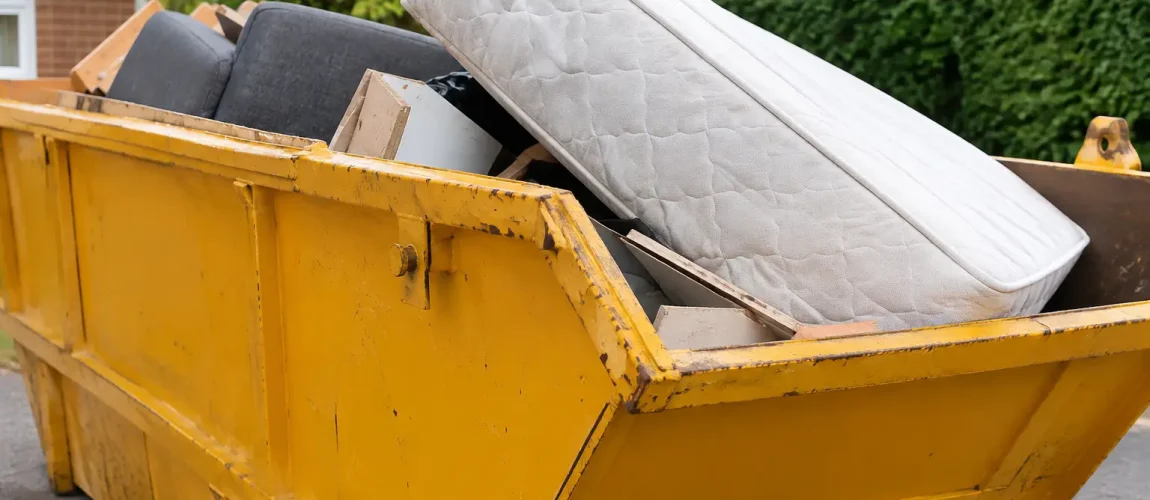
A mattress leaning against the garage wall can quickly become the awkward part of a house clearance, bedroom refit or landlord turnaround. So, can mattresses go in skips? In many cases, yes – but you should always tell your skip hire company before booking or before placing one in the skip. Mattresses need to be handled separately by some waste operators, and acceptance rules or charges can vary.
The simple approach is to mention the mattress when requesting your quote. That gives the provider a chance to confirm it can be taken, recommend the right skip size and explain any additional disposal cost upfront. It is far better than filling a skip, then finding there is nowhere safe to place a bulky mattress.
Can mattresses go in skips in Wolverhampton?
For most domestic clearances, a mattress can go into a hired skip if the skip company agrees to accept it. A single old mattress is a common item when people are moving home, clearing a property after a tenancy, replacing bedroom furniture or renovating a house.
However, mattresses are not treated in quite the same way as ordinary mixed household waste. They are large, difficult to compact and made from several materials, including fabric, foam, springs, wood and plastic. Some facilities require them to be separated for onward recycling or recovery, while others apply a separate handling charge.
This does not mean a skip is the wrong choice. If you also have wardrobes, carpets, broken furniture, packaging, general rubbish or renovation waste to remove, a skip can still be the easiest and best-value option. The key is being clear about what is going in it from the start.
At Bushbury Skip Hire, customers are encouraged to describe their waste when booking. It helps avoid surprises on collection day and means waste can be directed through the proper licensed sorting process.
Why mattresses may need separate handling
A mattress is not just another bag of rubbish. Its size takes up a fair amount of space, particularly in a 2-yard or 4-yard skip, and the materials can make processing more labour-intensive than general waste.
There are also environmental reasons for checking first. Responsible waste companies aim to recover as much material as possible rather than sending usable resources straight to landfill. Springs can be separated as metal, while other components may be processed through specialist routes where available. The exact route depends on the mattress type, its condition and the receiving facility.
Some mattresses may be wet, mouldy, heavily soiled or affected by pests. These can be harder to handle and may not be accepted in the same way as a clean, dry domestic mattress. Be honest about the condition when you call. A quick conversation can prevent a refused collection or an unexpected extra charge.
Choose a skip that leaves room for the rest of the job
A mattress can look manageable until it is laid flat in a skip. It takes up more usable space than many people expect, especially when combined with bulky furniture. Selecting a skip based only on the mattress is rarely the right way to plan a clearance.
A 2-yard mini skip may suit a small amount of bagged waste or a minor garden tidy, but it can be quickly filled by one or two bulky household items. For a bedroom clear-out, a 4-yard skip often gives more flexibility for a mattress, bed frame, drawers, boxes and general clutter. Larger clearances, renovation work and landlord property turnarounds may call for a 6-yard or 8-yard skip.
The right size depends on what else is leaving the property. A larger skip can cost more initially, but hiring a second skip because the first was too small is often less convenient and may cost more overall. When in doubt, describe the room, the main items and the amount of bagged waste. A local skip operator should be able to offer practical guidance rather than guesswork.
Do not overfill the skip. Waste must stay below the top edge so it can be transported safely on the lorry. A mattress sticking above the sides, particularly when piled on top of other rubbish, can cause a collection problem. Put bulky items in first where possible, break down bed frames and flat-pack furniture, and use the remaining spaces for smaller items.
What should not go in with a mattress?
Having a mattress accepted does not mean every item from a bedroom or clearance can go in the same skip. Hazardous materials and certain regulated wastes require separate disposal arrangements. Common examples include asbestos, paint tins containing liquid paint, gas bottles, batteries, electrical items, tyres, fuel, chemicals and fluorescent tubes.
Fridges and freezers also need specialist handling because of the gases and components they contain. Do not assume that a broken appliance can simply be buried under household waste. Tell the hire company about it first.
If you are clearing a whole property, keep an eye out for these items before loading begins. Separating them at the start is quicker and safer than having to unload a partly filled skip later. If something is uncertain, ask. Proper disposal protects you from avoidable charges and makes sure the waste is handled legally.
Skip hire versus other mattress disposal options
A skip is particularly useful when the mattress is only one part of a larger job. It saves repeated trips to the tip, avoids trying to fit awkward items into a car and gives you a clear place to load waste as the work is done.
If you only have one mattress and nothing else, a local authority bulky waste collection or a specialist mattress collection may be more suitable. This can be a good option where access is tight, there is no space for a skip or the property is a flat with limited parking. Collection dates, fees and what can be collected together vary, so check the details before relying on that route.
You may also be able to take a clean mattress to a household waste recycling centre yourself. The trade-off is time, transport and the practical difficulty of moving it. Mattresses are awkward, can become dirty or wet during transport, and may not fit safely in a small vehicle. For a full clearance, skip hire is usually the more straightforward answer.
Donating a mattress is only realistic if it is clean, structurally sound and meets the receiving organisation’s rules. Many charities cannot accept used mattresses for hygiene and fire-safety reasons. Never leave one outside a charity shop or beside a communal bin. That can become fly-tipping, even if your intention was to help.
Before you load the mattress into a skip
Keep the mattress dry if you can. Rain does not always prevent it being collected, but a soaked mattress is heavier, less pleasant to handle and more difficult to recover. If the skip will be on your drive for several days, a tarpaulin can help protect the load in wet weather.
Remove loose bedding, cushions, personal belongings and any detachable electrical parts from adjustable beds. If you are disposing of a complete divan base, tell the provider as well. A divan can contain timber, springs and sometimes drawers, so it takes up more room than a mattress alone.
Think about access before delivery. The skip lorry needs safe, clear access to place and collect it. If the skip is going on the road rather than private land, a permit may be needed. This is usually arranged through the skip hire company, but it can take time, so do not leave the booking until the morning you need to clear the room.
For rental properties, it is also worth checking who is responsible for the old mattress. A tenant should not dispose of a landlord’s item without agreement, while landlords should make clear whether outgoing tenants are expected to remove furniture. Sorting this out early avoids disputes and rushed, improper disposal.
A mattress should not hold up a clearance or end up abandoned outside. Tell your skip provider about it, choose a size with enough room for the whole job and keep restricted waste separate. With those basics covered, you can clear the space properly and get on with making the property usable again.