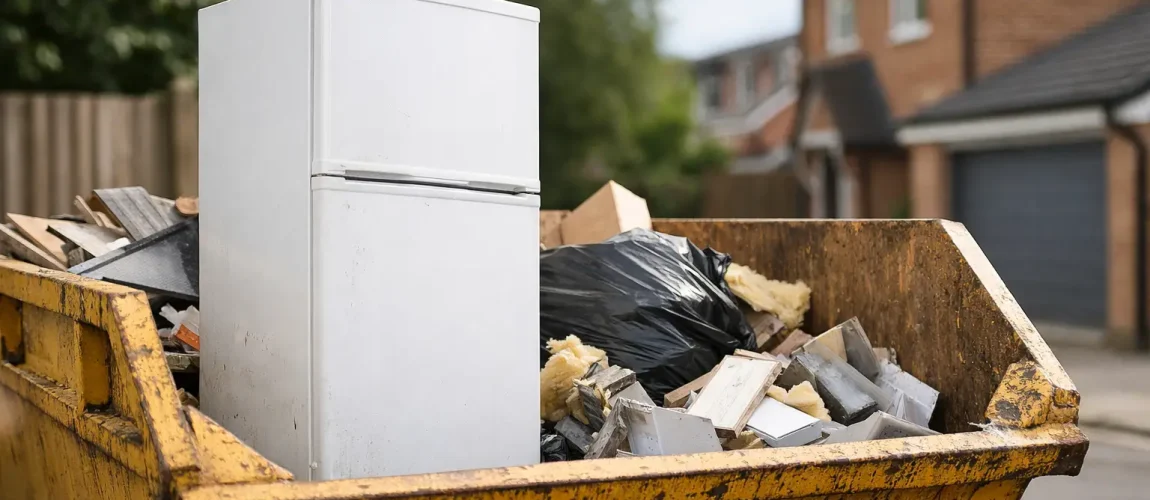
If you are clearing a kitchen, emptying a rental property or stripping out an old unit before a refit, one question comes up quickly: can fridges go in skips? The short answer is no, not in a standard mixed waste skip. Fridges and freezers need separate disposal because they contain components that must be removed and treated properly.
That catches people out all the time. A fridge looks like any other bulky item, but it is classed differently from general household or builders’ waste. If you put one in a skip without checking first, you can end up with delays, extra charges or the item being left behind when the skip is collected.
Why fridges cannot usually go in skips
The main issue is what is inside the appliance, not just the metal outer shell. Fridges and freezers often contain refrigerant gases, oils and foam insulation that have to be handled in line with waste regulations. These materials cannot just be crushed in with rubble, timber, plasterboard and general junk.
Even older units that have been switched off for years still need proper treatment. It is not enough that the fridge no longer works or has already been disconnected. The appliance has to go through a specialist process so hazardous elements can be removed before the remaining materials are recycled or broken down.
For skip users, that means a fridge is not treated like a broken chair, old cupboards or unwanted carpet. It needs a separate disposal route.
Can fridges go in skips if they are empty and unplugged?
No, being empty and unplugged does not normally make a difference. People often assume that once the shelves are out and the plug is cut off, the appliance is safe to throw away with everything else. In practice, the parts that matter are sealed inside the system and insulation.
The same applies whether it is a full-height fridge, an under-counter model, a chest freezer or a fridge freezer. If it is a cooling appliance, it will usually need specialist handling.
There can be rare situations where a provider offers a separate collection service or arranges disposal outside the skip itself, but that is different from simply loading the appliance into a general skip and forgetting about it.
What happens if you put a fridge in a skip anyway?
Usually one of two things happens. The driver spots it when collecting the skip and refuses to take the load until the fridge is removed, or the waste facility identifies it later and extra charges are applied. Neither is ideal if you are working to a deadline or trying to keep a job moving.
For homeowners, that can mean the hassle of arranging another disposal method at the last minute. For builders, landlords and commercial customers, it can hold up site clearance and create avoidable costs.
This is why it is always worth flagging awkward items before booking. A good local skip hire company will tell you straight what can go in and what cannot, instead of leaving you to find out after the fact.
What you should do with an old fridge instead
The best option depends on where the fridge is coming from and how quickly you need it gone. If you are replacing a domestic appliance, the retailer may offer a take-back service when delivering the new one. That is often the easiest route for a single item.
If you are clearing a house, a rental or business premises, a local waste company may be able to arrange a separate collection for the fridge alongside your skip booking. That is often the most practical choice when you have mixed waste to get rid of but also need to deal with restricted items properly.
In some cases, your local authority may offer bulky waste collection. That can work well if time is not critical, though availability and waiting times vary.
The key point is simple: separate the fridge from the rest of the waste stream and ask for the right disposal method from the outset.
Other electrical items and white goods to be careful with
Fridges are one of the most common problem items, but they are not the only ones. Freezers fall under the same rules, and some other electrical goods may also need separate handling depending on the item and the waste contractor.
Washing machines, tumble dryers and cookers are different from fridges because they do not contain refrigerant gases in the same way, but they still should not be treated as an afterthought. Some skip hire firms accept certain white goods, some do not, and some charge separately. It depends on the material, the site rules and how the waste will be processed.
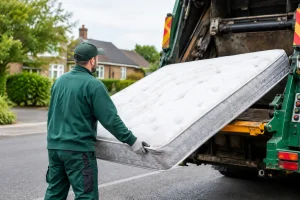
That is why blanket assumptions rarely help. Ask first, especially if you are loading bulky appliances, electronics, tyres, mattresses, paint, plasterboard or anything that might have special disposal requirements.
Why the rules matter
To some people, this can feel over the top. It is only an old fridge, after all. But waste rules are there for a reason. Cooling appliances contain substances that can be harmful if handled badly, and proper treatment also allows useful materials to be recovered rather than wasted.
For customers, the practical benefit is avoiding trouble. You want your skip collected on time, your site kept tidy and your waste dealt with legally. The easiest way to get that is to separate out restricted items before the skip arrives, not after it is full.
For local firms with licenced waste handling facilities, clear sorting is part of doing the job properly. It keeps collections running smoothly and supports higher recycling rates instead of sending mixed loads into the wrong channels.
A sensible approach when booking a skip
If your project includes a fridge, mention it when you ask for a quote. That gives the skip company a chance to tell you whether they can arrange a separate collection, whether another service is needed, and what the likely cost will be.
This matters even more on property clearances and refurbishments, where appliances can be hidden in garages, utility rooms, sheds or outbuildings until the job is underway. A quick check at the start saves time later.
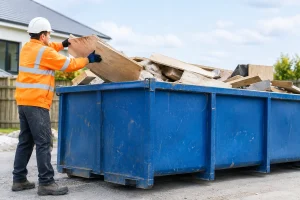
It also helps to be realistic about the rest of the load. A skip is ideal for many kinds of waste – soil, hardcore, wood, green waste, old furniture, packaging and general clearance material, depending on the skip and the job. But not everything belongs in one container. The more mixed and specialised the waste, the more important it is to sort it properly.
Can fridges go in skips on commercial jobs?
The answer is still usually no. Whether you are refitting a shop, clearing a café kitchen, emptying a rented unit or managing a building site, fridges and freezers still need their own disposal route. Commercial work does not remove the requirement for proper treatment.
If anything, commercial customers benefit most from planning this early. When deadlines matter and multiple trades are on site, the last thing you need is a skip load being rejected because one restricted item ended up on top. Keeping cooling appliances separate helps the whole clearance run more efficiently.
Local advice makes the job easier
Waste disposal is much simpler when you use a company that gives straight answers. For customers in and around Wolverhampton, that usually means asking what is allowed before the skip is dropped off, rather than relying on guesswork. Bushbury Skip Hire Ltd deals with all sorts of domestic and commercial clearances, so the practical approach is always the same: tell us what you need to get rid of, and we will point you towards the right option.
That is especially useful when a project includes bulky waste, white goods and general rubbish all at once. One clear conversation early on can save a lot of messing about later.
The bottom line on fridge disposal
So, can fridges go in skips? In most cases, no. They need separate disposal because of the gases, oils and insulation materials inside them, and putting one in a general skip can cause delays and added cost.
If you have an old fridge to get rid of, treat it as a specialist item from the start. A quick check before booking your skip is often all it takes to keep the whole job straightforward, legal and hassle-free.