If you have ever finished a delivery-heavy week, cleared a shop storeroom, or unpacked a house move and ended up surrounded by boxes, you will know how quickly cardboard waste builds up. Cardboard recycling in Wolverhampton is usually straightforward, but only if the material is kept dry, separated properly, and removed in a way that suits the amount you have got.
For some people, that means flattening a few boxes and putting them out with normal recycling. For others, especially trades, landlords, shops and busy households, it means dealing with a volume of cardboard that is too much for the kerbside bin. That is where a practical waste plan matters. The right approach saves time, keeps sites tidy, and helps make sure the material is actually recycled rather than spoiled by contamination.
How cardboard recycling in Wolverhampton usually works
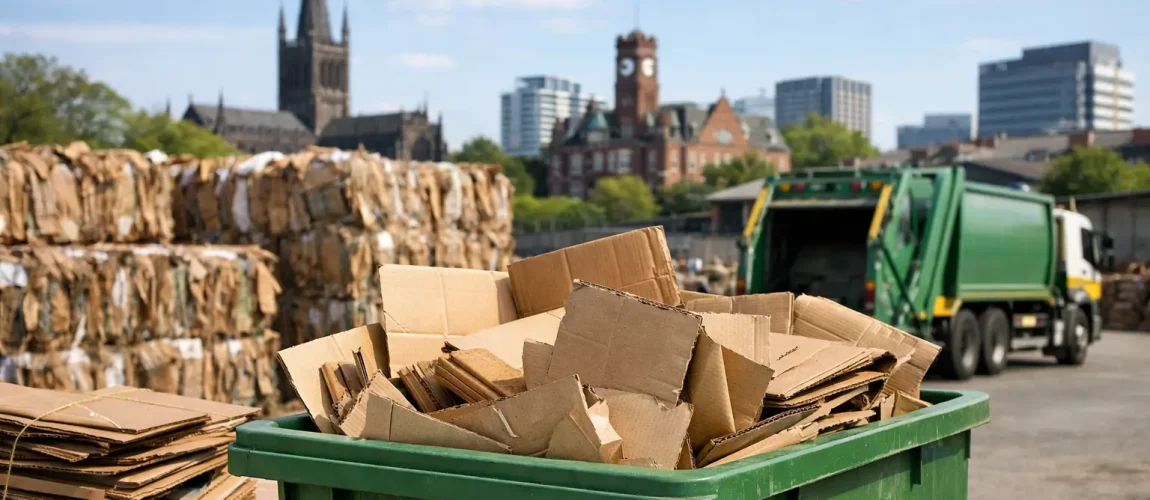
Most cardboard can be recycled, but condition matters. Clean, dry cardboard is the ideal material. Standard delivery boxes, moving boxes, outer packaging, cereal cartons and many paper-based sleeves are commonly accepted when they are not soaked, greasy or mixed with other waste.
Problems start when cardboard is left outside in the rain, used to soak up spills, or bundled together with plastic wrapping, polystyrene and food waste. Wet cardboard loses quality quickly. Greasy pizza boxes and heavily contaminated packaging may not be suitable for standard recycling streams at all. That is why sorting at the point of disposal makes such a difference.
In Wolverhampton, the best option depends on the source and volume. A household with a small amount can often manage through normal recycling collections. A builder stripping out packaging from new materials, or a business clearing stockroom waste, usually needs something more reliable and immediate. Multiple trips to the tip are rarely the best use of time, especially when cardboard is bulky rather than heavy.
When a skip makes more sense than bin collections
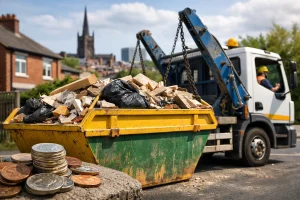
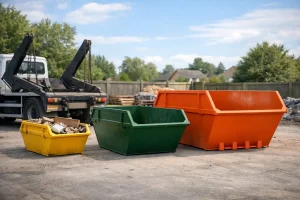
There is a point where cardboard stops being a minor inconvenience and becomes a genuine job to manage. If the waste is taking over a garage, yard, shop back room or worksite, a skip is often the more practical answer.
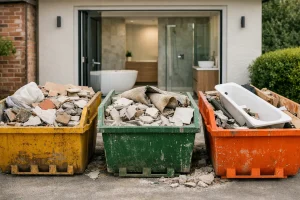
This is particularly true for property clearances, renovations, office moves, shop refits and larger deliveries. Cardboard takes up space fast, and even flattened boxes can create a serious pile. If that cardboard is arriving alongside other waste such as plastic, timber, old fixtures or general rubbish, trying to deal with it through standard bins can slow the whole job down.
A skip keeps everything in one place and helps avoid the stop-start routine of loading a car, queueing at the tip, unloading, and going back again. For tradespeople and businesses, that matters. Time spent moving waste around is time not spent on the actual work.
There is a trade-off, of course. If you only have a handful of boxes, a skip is too much. But once volume increases, or access to regular recycling is limited, the convenience and speed tend to outweigh the cost.
What cardboard can and cannot go in for recycling
The simple rule is this: clean and dry is good, contaminated is not.
Cardboard that is usually suitable includes packing boxes, corrugated sheets, cardboard sleeves, folded cartons and most plain paper-based packaging. Flattening it helps save space and makes handling easier, whether it is going into a recycling bin or a skip.
Cardboard that causes issues includes anything heavily stained with food, paint, oil or plaster dust. Waxed cardboard and heavily laminated packaging may also need different handling. If you are working on a building job, be careful with cardboard that has been mixed with insulation offcuts, tape, membranes or wet rubble. Once materials are mixed badly, it becomes harder to recover the recyclable part properly.
That is where using a licensed local waste operator has real value. Materials can be sorted at a proper facility rather than being left to chance. Bushbury Skip Hire Ltd operates its own licensed waste sorting facility in Wolverhampton, which helps make sure collected waste is handled responsibly and that recyclable material is not simply treated as general rubbish.
Cardboard waste from homes, shops and building sites
Not all cardboard waste looks the same, and that affects the best disposal method.
For households, the usual triggers are online shopping, moving house, replacing furniture, or clearing lofts and garages. The cardboard itself is often recyclable, but the issue is volume. A domestic recycling bin fills up quickly, and boxes left stacked indoors become a nuisance.
For shops, offices and warehouses, cardboard tends to come in regular streams. Stock deliveries, product packaging and storage clearances create ongoing waste rather than a one-off pile. In those cases, reliability matters as much as price. If waste is not removed on time, workspaces become cluttered and harder to manage.
On building sites and renovation jobs, cardboard often arrives mixed with other packaging waste from kitchens, bathrooms, flooring, doors and electrical goods. It is light but awkward. If it is not cleared promptly, it blows around, gets wet, and creates a poor impression on site. Keeping it contained from the start is the better option.
Keeping cardboard recyclable from the start
If you want cardboard recycling in Wolverhampton to be as efficient as possible, a few simple habits go a long way.
Flatten boxes as soon as they are empty. Remove loose plastic wrap, tape where practical, and any polystyrene inserts. Store cardboard somewhere dry if it cannot be collected immediately. If you are on a job, keep packaging separate from plaster, timber, food waste and general site rubbish for as long as possible.
This is not about making the job complicated. It is about avoiding the common mistakes that turn recyclable material into mixed waste. Once cardboard is saturated or embedded with other materials, recycling becomes less straightforward and sometimes less economical.
For commercial users, assigning one area or one container for clean cardboard can make day-to-day waste handling much easier. For domestic jobs, it may simply mean not leaving boxes in the garden for three days while the weather does its worst.
Choosing the right waste solution for the amount you have
The amount of cardboard matters just as much as the material itself. A small clear-out might only need your usual recycling arrangement. A house move or kitchen refit may need a mini skip. Larger shop clearances, office moves, and trade jobs often need more capacity so waste can be removed in one go.
This is where clear advice helps. Too small a skip and you run out of room. Too large and you pay for space you do not need. A local provider that knows the usual types of Wolverhampton jobs can normally point you in the right direction quickly, without overcomplicating it.
Price matters, but so does reliability. If the skip arrives late, sits in the wrong place, or is not collected when expected, it causes knock-on problems. The cheapest option is not always the one that saves the most money overall. For landlords between tenancies, builders on deadlines, or businesses trying to keep operations moving, dependable service is often what makes the difference.
Why legal and responsible disposal matters
Cardboard may seem low risk compared with heavier or messier waste, but it still needs to be handled properly. Using an unlicensed collector or relying on informal disposal can create bigger issues later. If waste is fly-tipped or mishandled, the original holder can face unwanted attention and cost.
That is why it makes sense to use a proper local waste company with the right systems in place. Responsible disposal is not just about ticking a box. It protects households, businesses and trades from avoidable problems, and it supports better recycling outcomes across the area.
Wolverhampton customers usually want the same thing – a simple, affordable way to get rid of waste without hassle. When cardboard is dealt with properly, it frees up space, keeps sites safer and tidier, and makes sure recyclable material has the best chance of staying in the recycling stream.
If you are looking at a growing pile of boxes and wondering whether to squash them into the car or get the job sorted properly, the answer usually comes down to volume, time and how quickly you need the space back. A good local service should make that decision easier, not harder.