
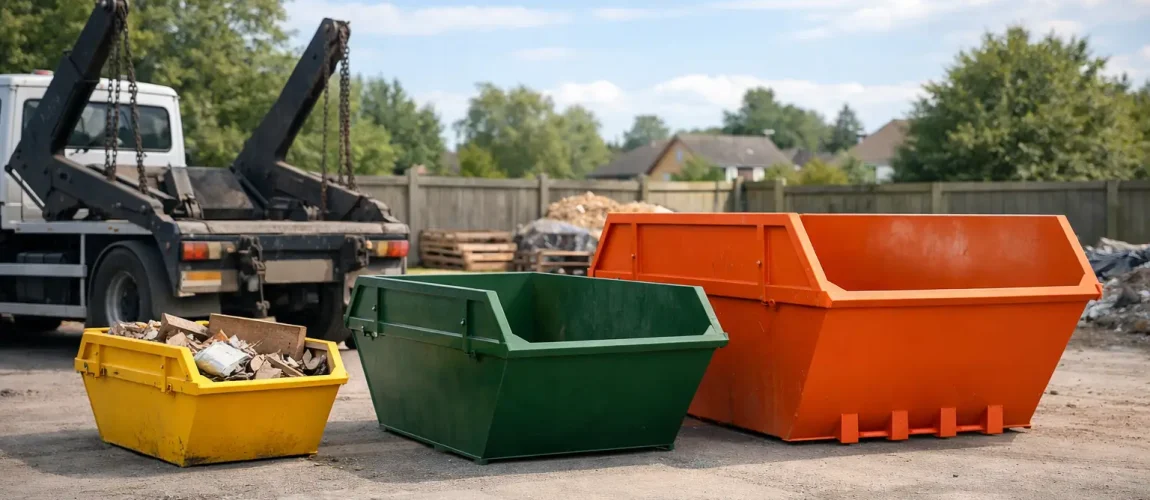
A full driveway after a house clear-out, piles of soil from a garden project, or rubble mounting up during a renovation all create the same problem: where does it go? Skip hire Wolverhampton customers can arrange locally is often the simplest answer. One delivery, one collection and far less time spent loading the car for repeated runs to the tip.
The best skip is not necessarily the biggest one. It is the one that gives you enough room for the waste you have, fits the access available and keeps the job moving without paying for unused space. For households, landlords, tradespeople and local businesses, a little planning before booking can save both time and hassle.
What are you actually throwing away?
Start with the type of waste, not just the size of the pile. A garden clearance made up of branches, hedge cuttings and old fence panels behaves very differently from dense rubble, soil and bricks. The latter fills a skip quickly by weight, even when it does not look like much at first.
Household clearances can be more mixed. Old furniture, carpet, toys, broken cupboards, packaging and general unwanted items take up space rather than weight. A renovation may produce both bulky materials and heavy waste, particularly if you are removing a kitchen, bathroom or internal walls.
For builders and trades, it is worth thinking about the order of the work. If the demolition stage will create most of the waste, arrange the skip for that point rather than leaving bags and piles around the site. On a longer job, a collection and replacement may be more practical than trying to make one skip last throughout the project.
Skip hire Wolverhampton size guide
At Bushbury Skip Hire Ltd, the available range runs from compact 2-yard skips to larger 8-yard skips. That covers many of the most common domestic and commercial jobs without making the choice needlessly complicated.
2-yard mini skips
A 2-yard mini skip suits small, contained jobs. Think a modest shed clear-out, a few bags of garden waste, old household items from one room or a small repair project. It is a useful option where access is tight and there is no need to pay for a larger container.
It is not the right choice for a full room clearance, a major garden overhaul or heavy building waste. Customers often underestimate how quickly bulky items such as wardrobes, timber and carpet fill a small skip.
Mid-sized skips for clear-outs and renovations
For many homes, a mid-sized skip is the sensible middle ground. It can handle a larger garden project, several rooms of unwanted items, old kitchen units, bathroom fittings, timber, plasterboard and general renovation waste.
This size works well when you want to avoid the uncertainty of squeezing everything into a mini skip but do not have the volume for a large builders’ skip. It is particularly useful for landlords preparing a property between tenancies, or homeowners tackling a room-by-room refurbishment.
8-yard skips for bigger jobs
An 8-yard skip is a popular choice for substantial clearances, larger refurbishments and regular builders’ waste. It gives you room for bulky materials while helping to keep a busy site safer and tidier.
More space does not mean unlimited loading. Skip contents must stay level with the top edge. Overfilled skips are unsafe to transport and may need to be unloaded before collection, which can delay the job. If you expect more waste than an 8-yard skip can take, booking a second collection is usually safer and more straightforward.
Check access before you book
Before arranging delivery, take a quick look at where the skip will sit. A driveway is often the easiest option, but check its width, length and surface. The delivery lorry needs room to manoeuvre and safely lower the skip, so parked vehicles, low branches, overhead cables and narrow gates can all affect access.
If you need the skip placed on a public road, pavement or verge, you may need a permit from the local authority. This takes planning, especially when a job has a firm start date. Tell the skip hire company where you would like it placed when asking for a quote, rather than assuming that roadside placement can be arranged at short notice.
A neighbourly word can also help. Delivery and collection are usually quick, but a skip can affect parking or access while it is in place. Giving nearby residents notice avoids unnecessary complaints and makes the process easier for everyone.
Waste that needs separate arrangements
Most ordinary household, garden and builders’ waste is suitable for a skip, but certain materials cannot simply be mixed in. Hazardous or controlled items need different handling because of the risk they pose to people, vehicles and the environment.
These commonly include asbestos, gas bottles, paint, solvents, oils, batteries, tyres, electrical items, fridges and freezers. Plasterboard may also need to be kept separate from other waste. If you are unsure about an item, ask before loading it. It is much easier to sort this out at the booking stage than to find an unsuitable item after the skip has been delivered.
This is not just about rules. Incorrect disposal can create extra charges, delay collection and put waste workers at risk. A reliable local operator will be clear about what can go in the skip and what needs another disposal route.
Make the most of the skip you hire
Load heavy, flat items first. Bricks, rubble, soil and broken slabs should go at the bottom, spread as evenly as possible. Then add lighter or awkward-shaped materials around them. Breaking down cardboard boxes, dismantling furniture where practical and cutting long timber to length can free up a surprising amount of space.
Do not save every bulky item until last. It is better to load as you go and keep an eye on the remaining capacity. A skip that looks half full can be difficult to use efficiently once large items are piled on top.
Keep the area around the skip clear too. This makes collection safer and prevents loose waste from becoming a nuisance. If your project involves regular deliveries of materials, make sure the skip position does not block access for other vehicles.
Why local, licensed handling matters
Cheap disposal is only good value if the waste is handled properly. Using an authorised waste carrier means you know your rubbish is being taken to a legitimate facility, rather than being at risk of fly-tipping elsewhere. That matters for householders as much as it does for contractors and businesses, as responsibility does not disappear simply because someone else takes the waste away.
A local service also has practical benefits. The team understands Wolverhampton streets, local access issues and the kind of jobs people are doing across the area. Direct phone contact makes it easier to check availability, discuss skip sizes or explain an awkward delivery location without being passed through a call centre.
Bushbury Skip Hire Ltd operates its own licensed waste sorting facility in Wolverhampton and recycles at least 90% of collected materials. For customers, that means a straightforward skip service with responsible handling behind it, rather than a vague promise that waste will somehow be dealt with.
Book for the job, not for guesswork
When requesting a quote, be ready to explain the type of waste, the rough amount, the delivery address and where the skip will be placed. Mention any access restrictions and whether you expect to need it on the road. Clear information helps you get a suitable size and avoids delays on delivery day.
Whether you are clearing a garden before summer, stripping out a rental property or keeping a building job under control, the right skip takes a difficult part of the work off your hands. A quick conversation before booking can turn a growing pile of waste into one less thing to worry about.