If you have got a pile of old metal sitting in a garden, yard, unit or on a building site, it usually starts the same way – one item becomes five, then suddenly you are dealing with a proper clearance job. Metal recycling in Wolverhampton is not just about getting rid of waste. It is about keeping a job moving, keeping a property tidy and making sure materials are handled properly instead of being left to build up.
For local households, landlords and trades, metal waste tends to come from real day-to-day jobs. It might be an old shed being taken down, a kitchen refit, bathroom strip-out, fencing replacement, shop refurbishment or builder’s waste from an ongoing site. The main concern is rarely theory. It is usually simple – where can it go, what can be recycled, and what is the easiest way to clear it without wasting time?
How metal recycling in Wolverhampton works
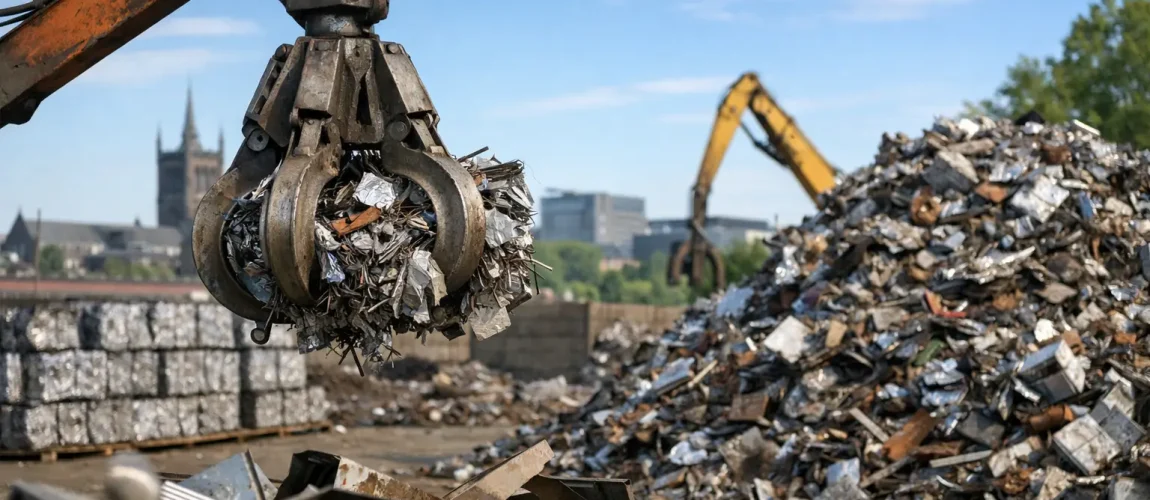
Most metal waste does not need to go to landfill if it is sorted and processed properly. That is the key point. Ferrous metals such as steel and iron, and non-ferrous metals such as aluminium, brass, copper and lead, can often be separated from mixed waste and sent on for recycling.
That matters because metal is one of the more reusable materials in the waste stream. Once collected, sorted and processed, it can be melted down and turned into new products rather than being thrown away. For customers, that may sound like the back-end of the process, but it affects the front end too. The better the waste is managed, the more efficient and responsible the whole clearance becomes.
In practice, metal recycling often starts with proper collection. If the waste is spread across a property or mixed in with general rubbish, the job gets slower. If it is gathered properly and put into the right skip or waste load, it is far easier to move, sort and recycle.
What metal waste is commonly recycled?
On domestic jobs, the most common items include old radiators, copper piping, metal bed frames, washing machines, cookers, lawnmowers, gates, railings and dismantled sheds. Garden projects also create plenty of scrap metal, especially when replacing fencing panels, clearing old storage, or removing worn-out outdoor furniture.
On commercial and trade jobs, the list gets broader. Builders and contractors often need to dispose of steel offcuts, pipework, wiring, metal fixtures, ducting, shelving, frames and stripped-out fittings from refurbishments. Landlords clearing rental properties can also end up with white goods, metal furniture and damaged household items that need removing quickly between tenancies.
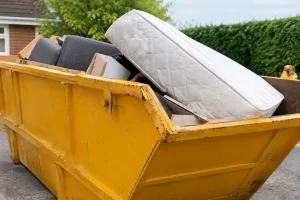
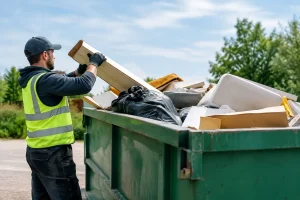
That said, not every load is purely metal. Most real jobs produce mixed waste. Timber, plastics, plasterboard, hardcore and general rubbish often turn up alongside metal items. That is why skip hire is often the practical option. It gives you one clear place to put everything, while allowing recyclable materials to be separated later at a licensed facility.
Why proper disposal matters
The biggest reason is simple – convenience. If you are relying on repeated tip runs, small van loads or leaving scrap to one side until you have time to deal with it, the waste tends to hang around longer than planned. That slows down jobs, clutters working areas and creates avoidable hassle.
There is also the legal side. Businesses, landlords and tradespeople need confidence that waste is being handled properly. Fly-tipping, unlicensed disposal and informal waste collection can create more problems than they solve. The cheapest option on the day is not always the cheapest option once delays, complaints or compliance issues are factored in.
Then there is the environmental benefit, which is real but should be looked at practically. Recycling metal reduces the need to extract and process raw materials from scratch, but the result still depends on proper sorting, transport and handling. In other words, recycling only works well when the waste chain is managed properly from collection onwards.
When a skip makes more sense than separate scrap runs
If you only have a few loose metal items, a separate scrap solution may be enough. But many jobs in Wolverhampton are not that neat. A bathroom rip-out might produce pipework, old taps, broken fittings, tiles, timber and packaging all at once. A garden clearance might include a rusted gate, broken tools, old bins, fence panels and general debris. A shop fit-out can generate metal shelving, plasterboard, cardboard and bulky waste in the same load.
That is where skip hire saves time. Instead of trying to split every material on site, you can keep the job moving and let the waste be taken to a facility where sorting is part of the process. For many customers, that is the difference between a one-day clearance and a week of stop-start disposal.
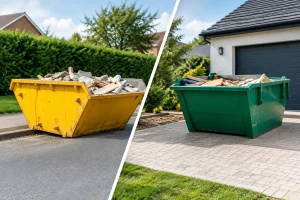
Choosing the right skip size matters here. Smaller domestic clearances may only need a mini or midi skip, while renovation work, bulky metal items or commercial strip-outs often need something larger. Go too small and you risk overfilling or needing a second collection. Go too large and you may pay for space you do not need. A local company that understands the usual waste types in Wolverhampton can help you get that balance right.
Metal recycling for homes, landlords and trade customers
Homeowners usually want speed and simplicity. They are clearing a garage, replacing a kitchen or getting rid of old household items and do not want metal waste left in the drive for weeks. In these cases, a skip gives a clear start and finish to the job.
Landlords often have tighter turnaround times. If a tenant has left bulky waste behind, waiting around is rarely an option. Metal bed frames, white goods and damaged fixtures need to be removed quickly so cleaning, repairs and viewings can go ahead.
Trades and builders look at things slightly differently. For them, waste removal is part of keeping a site safe and productive. Scrap metal mixed in with general site waste can create trip hazards, block work areas and slow down other trades. Reliable collection matters because delays cost money.
For all three groups, the principle is the same. You need a service that is easy to book, clear on pricing and dependable on collection. That is why many local customers prefer working with an established operator rather than trying to patch together several disposal methods.
Choosing a local provider for metal recycling in Wolverhampton
Not every waste job needs a specialist metal-only service. In fact, most do not. What most customers need is a reliable local company that can collect mixed waste, sort it responsibly and recycle as much as possible.
A local operator has a few clear advantages. They know the area, they can usually respond faster, and they understand the kind of domestic and commercial jobs that come up every day in Wolverhampton. If there are access issues, permit questions or concerns about skip size, those problems are easier to solve when you are dealing with a nearby team rather than a national call centre.
It also helps when the company has its own licensed waste sorting facility. That means the waste is not simply picked up and passed around without clarity. It is handled through a proper process, with recyclable materials separated wherever possible. For customers, that gives reassurance without adding extra effort.
Bushbury Skip Hire Ltd is built around that straightforward approach – local service, clear pricing, reliable collections and responsible waste handling for both domestic and commercial jobs.
A few things to think about before booking
Before arranging waste removal, it helps to be honest about the job. Is it mainly metal, or is it mixed waste with some metal in it? Are there bulky items that will take up more room than expected? Will the skip need to sit on a drive, a private yard or on the road? These details affect the best option.
It is also worth thinking about timing. If the metal waste is being created during a renovation or site job, booking too late can leave you working around piles of rubbish. Booking too early can be just as awkward if the skip is in the way before the job really starts. A bit of planning usually saves money and hassle.
Finally, remember that good waste disposal is not just about removal. It is about keeping the whole job easier to manage. Whether you are clearing a house, updating a rental, stripping out a unit or handling builder’s waste, the right setup gives you less mess, fewer delays and a much cleaner finish.
If you have metal waste to clear, the best option is often the simplest one – use a local service that can collect it properly, sort it responsibly and help you get on with the job.