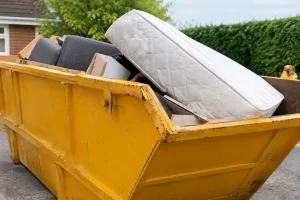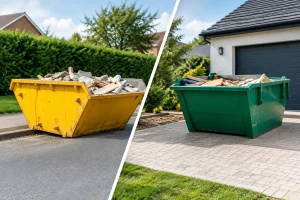

A mixed waste skip sounds simple until you are standing in the drive with plasterboard, old cupboards, broken toys, bits of timber and a few bags of general rubbish, all wondering whether they can go in together.
For most home clear-outs and renovation jobs, that is exactly why people ask for skip hire for mixed waste. They do not want three different containers and a long list of rules before they can get started. They want one skip, clear advice, a fair price and a collection date they can rely on.
What skip hire for mixed waste actually means
Mixed waste usually means a combination of non-hazardous waste types in one skip. That can include things like wood, plastics, packaging, furniture, metal, general household waste and some light building debris from a project.
What it does not mean is that absolutely anything can be thrown in. Certain materials still need separate handling because of safety rules, disposal costs or environmental regulations. Items such as asbestos, paint, chemicals, gas bottles, tyres, fridges and some electricals are normally restricted or need to be booked in separately.
That is the part many first-time customers miss. A mixed waste skip is flexible, but it is not a free-for-all. The benefit is convenience. The trade-off is that you still need to tell your skip provider roughly what you are loading so it can be handled properly.
When a mixed waste skip is the right choice
If you are clearing a house, emptying a garage, stripping out a kitchen or tidying up after a small building job, skip hire for mixed waste is often the most practical option. You save time because you are not sorting every item into separate waste streams on site.
That matters on real jobs. Landlords working to a handover date, homeowners in the middle of a renovation and builders trying to keep a site moving usually need the waste gone without extra admin. One skip that takes a sensible mix of materials is often the easiest route.
It can also be good value when your waste is genuinely mixed. If you have mostly one heavy material such as soil, bricks or concrete, a dedicated heavy waste skip may make more sense. Mixed waste skips are best when the load is varied rather than made up of one specific material.
What can usually go into a mixed waste skip
For most domestic and light commercial jobs, a mixed waste skip can usually take furniture, timber, cardboard, plastic, old fittings, garden cuttings, packaging, non-electrical household rubbish and renovation debris such as tiles, units and floor coverings.
There are still limits. Heavy inert materials like hardcore, soil and rubble can sometimes go in, but only in sensible amounts and depending on skip size. Fill a larger skip entirely with dense material and you can run into weight issues quickly. That is why it is always better to say upfront if your load includes concrete, bricks, clay or soil.
If you are unsure, ask before booking rather than after loading. It avoids delays, extra charges and the problem of having a skip on site that is not suitable for the waste you actually need to remove.
What cannot go in – or needs checking first
This is where clear guidance saves hassle. Hazardous waste is the main category that cannot go into a standard mixed waste skip. That includes asbestos, solvents, oils, chemicals, batteries and anything flammable or toxic.
Some everyday items also catch people out. Fridges, freezers, mattresses, televisions, monitors, fluorescent tubes and tyres often need separate disposal routes. Plasterboard can also require segregation depending on the job and waste facility requirements.
If your waste includes any of those items, mention them when getting a quote. A reliable local firm will tell you straight whether they can take them, whether they need a separate collection, or whether another skip type is more suitable.
Choosing the right size for mixed waste
Skip size matters more than most people expect. Too small and you end up piling waste next to the skip or paying for a second one. Too large and you may spend more than necessary, especially on a straightforward domestic clear-out.
A smaller 2 or 3-yard skip often suits minor garden clearances, shed emptying or a small amount of household rubbish. A 4 or 5-yard skip is a common choice for bathroom refits, room clear-outs and medium renovation jobs. A 6 or 8-yard skip is usually better for full house clearances, bulky waste and larger mixed loads from building work.
The other point is weight, not just volume. Mixed waste can look light at first, then become much heavier once timber, old fixtures, tiles and rubble go in. If your job includes bulky items as well as dense materials, mention both when booking so the right size can be recommended.
Why local waste handling makes a difference
Not all skip hire works the same way. Some firms simply broker the job out. Others control delivery, collection and sorting themselves. For customers, that difference often shows up in reliability.
When a company has local operational control and its own licensed waste sorting facility, there is usually less guesswork. Collections are easier to schedule properly, waste can be processed responsibly and you are more likely to get clear answers about what can and cannot go in the skip.
That is especially useful for mixed waste because the load needs proper sorting after collection. A provider with the right permits, a waste carrier licence and a strong recycling process can handle that more efficiently than a business that is only arranging transport.
For customers across Wolverhampton and nearby areas, that practical side matters just as much as price. Fast delivery is helpful, but so is knowing the waste is being managed properly once it leaves your site.
Avoiding extra costs with skip hire for mixed waste
Most problems come from three things – choosing the wrong size, overfilling the skip, or putting in restricted items without checking.
Overfilling is a common one. Waste should not be loaded above the top edge of the skip. If it is heaped up, the lorry may not be able to collect it safely. That can mean wasted time and an extra charge to return once the load has been levelled.
The second issue is hidden heavy waste. A skip that looks half full can still be overweight if it contains lots of soil, rubble or concrete. The third is restricted materials mixed into a general load. If those are spotted at collection or at the waste facility, the load may need special handling.
A short phone call before booking usually prevents all of that. Give a clear description of the job, mention any heavy materials and ask if there are any items to keep aside. It is quicker than fixing the problem later.
Mixed waste skips for domestic and trade jobs
Homeowners usually want simplicity. They are clearing a property, sorting a garden, or getting through a renovation and need one straightforward waste solution. For that kind of work, mixed waste skips are often the easiest option because they reduce sorting on site.
Trade customers usually think in a slightly different way. They need dependable drop-off and collection times, the right skip size for the phase of works, and confidence that the waste transfer side is compliant. Mixed waste skip hire can still work very well for builders and fit-out jobs, but only when the waste stream matches the skip type.
If a site is generating clean hardcore, plasterboard or soil in larger quantities, separating those materials may be more cost-effective. If the waste is a genuine mix from strip-outs, packaging, timber and general site rubbish, a mixed waste skip is often the practical call.
Booking a mixed waste skip without the usual back-and-forth
The quickest way to book properly is to know three things – what type of job you are doing, roughly how much waste you will have, and whether any restricted items are involved.
From there, the process should be simple. Choose the skip size, confirm the waste type, agree the delivery date and make sure placement is suitable. If the skip is going on a public road rather than private land, permits may also need to be arranged.
At Bushbury Skip Hire Ltd, the focus is on keeping that process straightforward for customers who just want waste removed quickly, legally and at a sensible price. That means giving clear advice, delivering on time and making sure the waste is sorted responsibly after collection.
If you are not sure whether your job counts as mixed waste, the best starting point is not to guess. Describe what you have, get the right advice first, and the whole job tends to run a lot smoother.