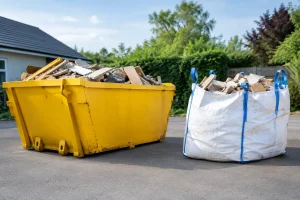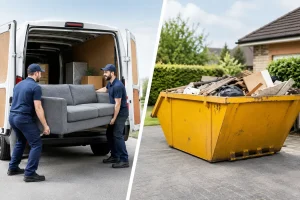

That moment usually comes halfway through a clear-out. The old wardrobe is in bits, the bags of rubble are piling up, and now you are wondering what can you put in a skip without causing a problem when it is collected. It is a fair question, because most everyday waste is fine, but some items need separate handling for legal, safety or recycling reasons.
If you are hiring a skip for a house move, renovation, garden job or site clearance, getting this right saves time and avoids extra charges. The good news is that the rules are fairly straightforward once you know the difference between general waste, heavy waste and restricted items.
What can you put in a skip for most jobs?
For most domestic and commercial jobs, a skip is suitable for mixed general waste. That includes things like old furniture, wood, cardboard, plastics, packaging, broken toys, unwanted household items and non-electrical fittings. If you are clearing a garage, loft, shed or office, much of what comes out can usually go straight in.
Building and renovation waste is also commonly accepted. Bricks, rubble, tiles, soil, plasterboard, timber, old kitchen units, bathroom suites and flooring are all typical skip contents, although some materials may need to be separated depending on the type of skip you hire and the volume involved. Heavy waste adds up quickly, so the right skip size matters just as much as what goes into it.
Garden waste is another common use. Grass cuttings, hedge trimmings, branches, leaves, weeds, small logs, soil and old fencing panels are usually suitable. If you are clearing an overgrown garden, a skip is often far easier than repeated trips to the tip, especially when bulky green waste is mixed with broken timber, pots and general outdoor rubbish.
Common items you can put in a skip
A good rule is this: if it is non-hazardous and part of a normal clear-out, it will often be allowed. That covers a wide range of materials.
Household waste such as clothes, carpets, underlay, mattresses in some cases, broken cabinets, tables, chairs and general clutter is often accepted, but not always under the same pricing structure. Some bulky items need checking in advance because disposal costs vary.
DIY and builders’ waste is usually fine too. This includes concrete, hardcore, paving slabs, bricks, ceramic tiles, timber offcuts, doors, skirting boards and old fixtures removed during refurbishment. For smaller renovation jobs, this is exactly what skips are there for.
Garden waste can go in alongside general waste on many jobs, but if you only have green waste, it is worth saying so when booking. In some cases, keeping waste types cleaner can help with recycling and pricing.
What cannot go in a skip?
This is where people often get caught out. Some items are banned completely, and others need special collection because they are classed as hazardous or difficult to process.
You should not put asbestos in a standard skip. The same goes for paint, solvents, oils, fuel, gas bottles, fire extinguishers and chemicals. These items can be dangerous in transport and at the waste facility, so they must be dealt with separately.
Electrical items are another area to check carefully. Fridges, freezers, televisions, monitors and other waste electricals often need specific disposal routes. The same applies to batteries, fluorescent tubes and some light fittings.
Tyres are not usually allowed in a general skip. Plasterboard can also be restricted if mixed with other waste, because disposal rules are tighter than many people realise. If you have a lot of plasterboard from a renovation, mention it before booking so the right arrangement can be made.
Medical waste, clinical waste and anything contaminated also need separate handling. That includes needles, dressings and similar materials from healthcare settings.
What can you put in a skip if you are doing building work?
For renovation and construction jobs, skips are ideal for the bulky materials that build up fast. Old plaster, timber frames, bathroom suites, stripped-out kitchens, rubble, tiles and broken concrete are all common. If you are ripping out a room or managing waste on a small building site, a skip keeps everything in one place and makes the job safer and tidier.
The main thing to watch is weight. Soil, bricks and rubble are fine, but they are dense. A small skip can fill up with heavy waste long before it looks full. That is why many customers use mini skips for dense materials and larger skips for lighter mixed waste. It is not just about fitting it in. It is about keeping the load safe and legal for collection.
If you are a builder or tradesperson, it also helps to keep restricted materials out from the start. Mixing accepted waste with banned items can delay collection and create extra cost on a job that already needs to stay on schedule.
What can you put in a skip from a house or garden clearance?
House clearances often produce a mix of waste types, and most of it can go in the skip. Old shelving, damaged furniture, toys, boxes, clothing, curtains, laminate flooring and general junk are all typical. A skip is especially useful when the waste is not worth selling, donating or storing.
Garden clearances are similar. Branches, shrubs, soil, turf, rotten sheds, broken fence panels and outdoor furniture can usually be loaded together, provided there is nothing hazardous hidden in the pile. Paint tins, weedkiller containers and chemical products should always be kept aside until you check how they need to be disposed of.
When loading a skip for this kind of job, break bulky items down where possible. Flat-packed timber, cut branches and dismantled furniture make better use of the space and help avoid overfilling.
A few rules that matter when loading a skip
Even when the waste itself is allowed, how you load the skip matters. Nothing should stick up above the top edge. Overfilled skips are unsafe to move and may not be collected until the load is reduced.
Try to spread weight evenly, especially with rubble and soil. If all the heaviest waste is dumped at one end, collection becomes more difficult and less safe. It also makes sense to put flat items at the bottom and lighter mixed waste on top to use the space properly.
If you are placing the skip on a public road, there may be permit requirements depending on location. If it is going on a drive or private land, access is often simpler, but there still needs to be enough room for safe delivery and collection.
When it is best to ask first
Some items sit in a grey area. Mattresses, upholstered furniture, large electricals, plasterboard, tyres and certain fixtures may be accepted, but not always as part of a standard mixed waste load. Rules can vary depending on the waste stream, treatment costs and local disposal arrangements.
That is why a quick check before booking is always worth it. It is far easier to mention unusual items at the start than to have a problem on collection day. For local customers in Wolverhampton, a straightforward provider such as Bushbury Skip Hire Ltd can usually tell you quickly what is fine, what needs separating and which skip size suits the job.
Why skip rules are stricter than people expect
Most restrictions are not there to make life difficult. They are about safety, legal compliance and proper recycling. Waste companies have a duty to handle materials responsibly, and some items can damage equipment, harm staff or contaminate loads that would otherwise be recycled.
That matters for customers too. If waste is managed properly, more of it can be sorted and reused instead of sent for disposal. So while it can seem easier to throw everything in together, keeping banned items out helps the whole process run properly.
If you are ever unsure what can you put in a skip, the safest approach is simple: general household, garden and builders’ waste is usually fine, hazardous and specialist items are not, and anything unusual is worth checking first. A two-minute phone call can save a lot of hassle later, and it helps make sure your clear-out goes exactly as planned.