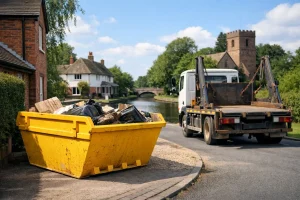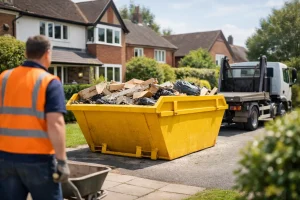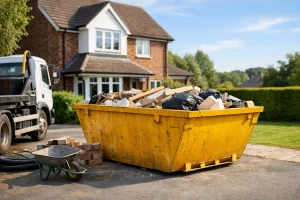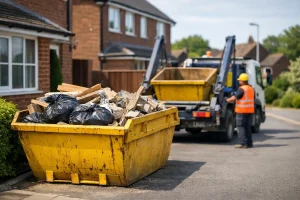
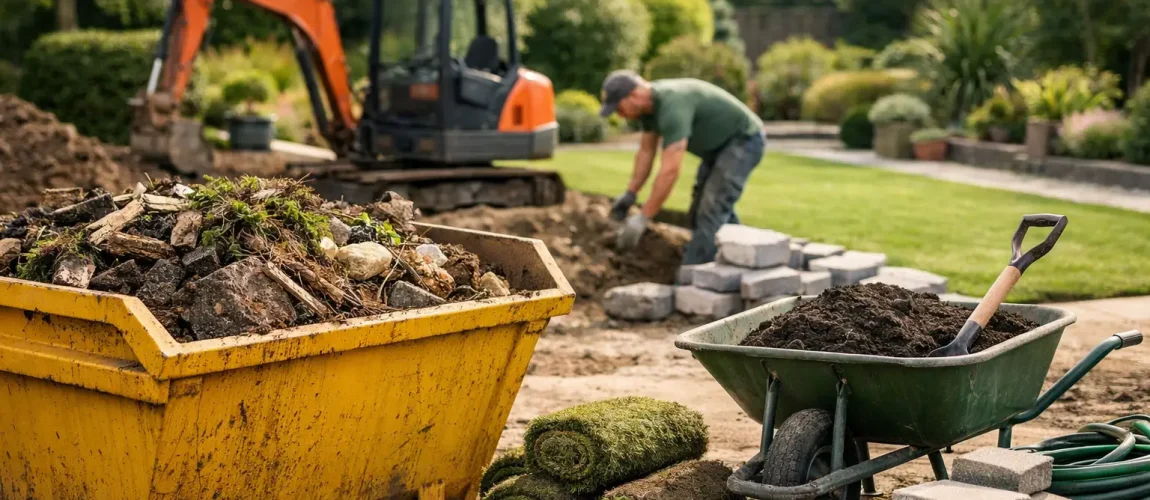
A garden project gets messy faster than most people expect. One day you are pulling out a few old fence panels, and by the end of the weekend you have heaps of soil, broken slabs, turf, branches and half a patio sitting on the drive. That is where skip hire for landscaping projects makes the job easier. It gives you one clear place for waste from the start, keeps the site safer and saves repeated trips to the tip.
For homeowners, landlords and trades working across Wolverhampton and nearby areas, the main question is usually not whether a skip helps. It is which skip size to choose, what can go in it, and whether the whole job can be handled without delays or hassle. Those details matter, especially when landscaping work often creates a mix of heavy waste and bulky green material.
Why skip hire for landscaping projects works
Landscaping jobs create awkward waste. It is rarely just one material, and it rarely arrives all at once. You might begin with shrubs, turf and old timber sleepers, then move on to paving, clay, soil or broken concrete. If you do not plan disposal properly, waste starts taking over the site and slows the job down.
A skip gives you a practical way to keep things moving. Garden clearances become more manageable because cuttings, rubble and old materials can be loaded as you go. On larger jobs, that matters for safety as much as convenience. Loose rubble, stacked slabs and scattered branches are trip hazards, and they also make it harder to bring in new materials and equipment.
There is also a cost point to consider. Using your own vehicle for repeated waste runs sounds cheaper on paper, but it often is not. Time off the job, fuel, tip charges and loading time all add up. For many landscaping projects, a skip is the more efficient option.
Choosing the right skip size for garden work
This is where many customers either overbook or underbook. Too small, and you need a second skip or an early exchange. Too large, and you pay for space you do not need. The right choice depends on the type of landscaping work, not just the size of the garden.
A smaller 2-yard or 3-yard skip can suit light garden clear-outs, hedge cuttings, a few old planters, small amounts of soil and general tidy-up waste. These are useful when access is tight or the job is modest.
A 4-yard or 5-yard skip is often the middle ground for domestic landscaping. If you are lifting turf, taking out old decking, removing soil from beds, or breaking up a small paved area, this range is usually a sensible place to start. It gives enough room for mixed waste without taking up unnecessary space on the drive.
For heavier or more extensive work, a 6-yard or 8-yard skip is usually more suitable. These are common choices for larger patio removals, full garden redesigns, fencing replacements and jobs producing substantial rubble, hardcore or clay. Weight matters here. Soil, bricks and concrete fill space quickly, but they also add weight very quickly, so the best size is not always the biggest one available. Sometimes it is better to use the correct builder’s skip size for heavy waste rather than trying to overload a larger container.
If the project includes a lot of dense material, be clear about that when booking. A skip provider can guide you on the most suitable option based on both capacity and weight limits.
What waste usually goes into a landscaping skip
Most garden and landscaping jobs involve accepted materials such as soil, turf, branches, leaves, weeds, timber, fencing, old garden furniture, paving slabs, rubble, bricks and hardcore. For many domestic customers, that covers the bulk of the job.
The important point is that not every load is the same. Green waste is relatively light but bulky. Hardcore and soil are compact and heavy. Mixed loads are common, but the exact waste type should be declared properly when booking so the skip can be allocated and processed correctly.
This is also where dealing with a licenced operator matters. Waste should not just disappear into a chain you know nothing about. If your provider has its own licenced waste sorting facility and works to clear compliance standards, you have much better visibility over how the material is handled. That is especially relevant for builders and trades who need confidence that waste disposal is being managed properly.
What should stay out of the skip
Some customers assume anything from the garden can go straight in. That is not always the case. Items such as paint, chemicals, asbestos, tyres, gas bottles, fridges and certain electricals usually need separate handling. The same applies to anything hazardous or potentially contaminated.
Even on a straightforward landscaping job, there can be surprise items. Old sheds may contain tins of preservative or paint. Garages being cleared at the same time may turn up oils, batteries or unwanted equipment. These should be flagged before loading rather than added as an afterthought.
If in doubt, ask before the skip arrives. It is quicker to sort it at the booking stage than deal with rejected waste later.
Access, permits and timing
Landscaping work often depends on sequencing. You may need the skip at the very start for clearance, again midway through the build, or right at the end for finishing waste. Good timing keeps the site clear without the skip sitting unused for days.
If the skip can go on a private drive, that is usually the simplest option. If it needs to be placed on the road, a permit may be required depending on location. This is another reason to book with a local firm that understands the area and can advise properly. Customers generally want a simple process – choose a size, confirm the waste type, set the date and get on with the job.
Access is worth thinking about before delivery day. Check gate widths, parked cars, low branches and whether the surface is suitable. For domestic jobs, the best position is usually somewhere close enough to save carrying waste across the whole property, but not so close that it blocks the rest of the work.
Keeping costs under control
Affordable skip hire is not just about the headline price. The real value comes from booking the right size, avoiding prohibited waste, and making sure collection and delivery fit the pace of the job.
The cheapest option is not always the best one if it leads to overfilling, delays or needing a second skip. On the other hand, many domestic customers do not need to jump straight to a large skip for a fairly standard garden clearance. A quick conversation about the job often avoids both problems.
For trade users, reliability can matter even more than the initial price. If a skip does not arrive on time, or sits waiting for collection, labour and site progress are affected. Straightforward scheduling and dependable collection are part of keeping a landscaping project profitable.
Local service matters on practical jobs
Landscaping waste is not glamorous, but it needs handling properly. A local operator with direct control over delivery, collection and sorting is often better placed to provide a reliable service than a broker passing the booking elsewhere.
That local operational control helps with timing, communication and accountability. It also means customers can ask clear questions about skip sizes, tonnage, accepted waste and collection without getting vague answers. For customers around Wolverhampton, Bushbury Skip Hire Ltd provides a straightforward local service backed by a licenced waste sorting facility and a stated recycling target of at least 90%, which gives customers a practical level of reassurance as well as convenience.
When a skip might not be the only answer
There are jobs where it depends. If you are removing only a very small amount of green waste, a skip may be more than you need. If access is extremely restricted, you may need to think carefully about placement or whether staged collections are better. And if the project generates mostly one heavy material, such as clay or concrete, the booking needs to reflect that from the outset.
That is why the best approach is a simple one. Be honest about the type of work, the likely waste and the site access. A good skip hire service will not overcomplicate it, but it should help you avoid the common mistakes.
The easier you make waste management at the start of a landscaping project, the easier the whole job tends to run. A tidy site, the right skip size and a reliable collection plan can save more time than most people realise.