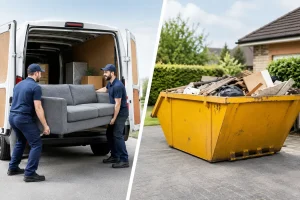
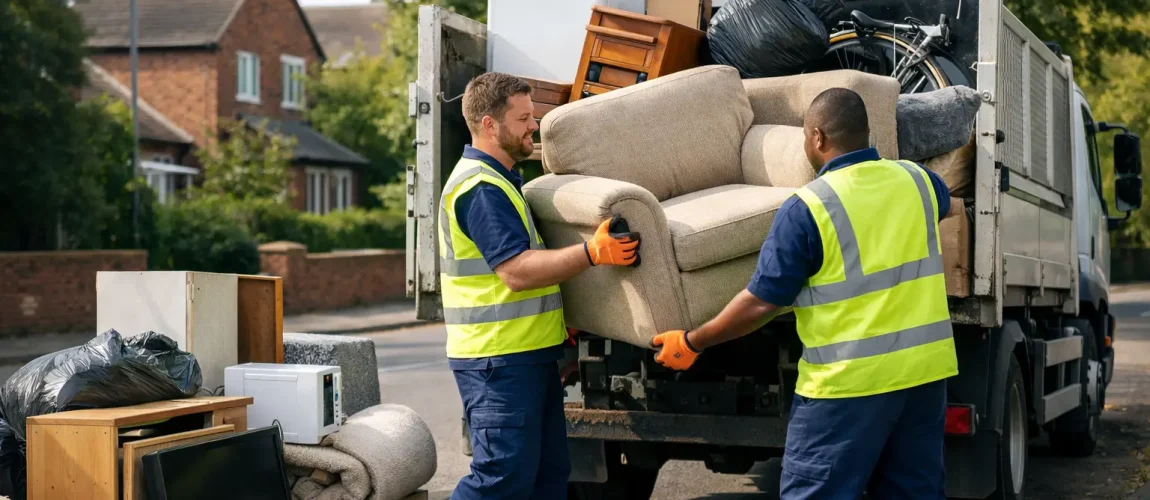
A broken wardrobe in the hallway, an old sofa taking up the garage and bags of unwanted household items can turn a simple clear-out into a bigger job than expected. Bulky waste collection gives Wolverhampton households, landlords and tradespeople a practical way to clear larger items without repeated trips to the tip or an overloaded car.
For most jobs, hiring a skip is the straightforward answer. You can load waste as you work, keep the site tidy and have it collected when the job is finished. The key is choosing a suitable size, knowing what can go in it and planning where it will be placed before it arrives.
When bulky waste collection is the right option
Bulky waste is usually anything too large, heavy or awkward for normal household bins. It often includes furniture, timber, old kitchen units, carpets, garden furniture, fencing, doors, mattresses and general contents from a clearance. Builders may also need room for rubble, plasterboard, packaging and non-hazardous renovation waste.
A skip is particularly useful when the waste is building up over several days. That could be a property renovation, a garden clearance after winter, a tenant changeover or the clearance of a relative’s home. Instead of stopping work to make tip runs, you have one place to put the waste from the start.
It is not always the best option for a single item. If you only have one sofa or a small amount of furniture, a collection service may be more suitable. But once there are several bulky items, mixed materials or an ongoing project, skip hire is normally better value and far less time-consuming.
Choose the skip size for the job, not just the first item
The biggest mistake with bulky waste collection is ordering a skip based on the largest item alone. A three-piece suite may look as though it will fill most of a skip, but once it is broken down or loaded carefully, there may still be room for wood, bags, fixtures and other clearance waste. On the other hand, light but awkward items such as wardrobes, fencing and cardboard can take up space quickly.
For smaller household clearances, garden furniture or a modest shed clear-out, a 2-yard mini skip can be a sensible starting point. A 4-yard skip often suits bathroom refits, room clearances and smaller renovation jobs. If you are clearing several rooms, replacing a kitchen or dealing with a large garden project, a 6-yard or 8-yard skip usually offers the breathing room needed to finish the work without ordering another container.
There is a trade-off. A smaller skip has a lower upfront cost and takes up less room, but an overfilled skip cannot be safely transported. A larger skip costs more initially, yet it can save money and disruption if it prevents a second hire. If you are unsure, explain the type and amount of waste when booking. A local operator should give practical guidance rather than leave you guessing.
Make bulky items easier to load
Where safe to do so, take apart furniture before loading it. Remove table legs, dismantle wardrobes and flatten cardboard boxes. This makes better use of the available space and prevents awkward gaps around larger items.
Load heavier, flatter materials first and place bulky pieces around them. Keep waste below the top edge of the skip. Overfilling is unsafe for the driver, other road users and anyone working nearby, so a skip must be level-loaded before collection.
What you can and cannot put in a skip
Most ordinary household, garden and builders’ waste can be included, provided it is non-hazardous. Wood, metal, bricks, soil, green waste, old fittings, furniture and general mixed clearance waste are common examples. Materials are then taken to a licensed sorting facility, where recyclable waste can be separated from what cannot be recovered.
Some items need separate handling because they are hazardous, contain controlled substances or require specialist recycling. Do not assume every item can go in with general bulky waste. The following should always be checked before you load them:
- Paint, solvents, oils, chemicals and fuel containers
- Gas bottles, fire extinguishers and batteries
- Fridges, freezers, televisions and other electrical items
- Asbestos, clinical waste and contaminated materials
- Tyres and items containing pressurised or hazardous components
Rules can vary according to the item and its condition, so ask before booking if there is any doubt. Trying to hide prohibited waste in a skip can lead to extra charges, rejected collection or a serious safety issue at the waste facility.
Plan where the skip will go
A driveway is usually the easiest place for a skip. It keeps the container close to the work, avoids obstructing the road and makes loading simpler. Check the width of the access, look for low branches or overhead cables, and make sure the surface can take the weight of a loaded skip.
If the skip needs to sit on a public road, pavement or verge, you may need a permit from the local authority. This should be arranged before delivery, not after the lorry arrives. Permit requirements and timings can depend on the location, so give as much notice as possible when your job is likely to need roadside placement.
Keep access clear on delivery and collection day. Parked vehicles, locked gates and materials piled across the drive can delay the job. It is also worth speaking to neighbours if the skip will affect shared access or parking. A quick conversation avoids unnecessary complaints later.
Keep a clearance safe and manageable
Bulky clearances can become physically demanding very quickly. Do not try to carry a heavy sofa, appliance or solid wood unit alone. Use suitable lifting help, clear walking routes and wear gloves and sturdy footwear. If an item is damaged, has exposed nails or is likely to break apart, handle it carefully rather than forcing it into the skip.
For landlords and businesses, a planned clearance also helps protect the property and keeps work moving. Separate reusable items before the skip arrives, then load the remaining waste in stages. This reduces clutter around entrances and prevents useful materials being thrown away by mistake.
Tradespeople can benefit from the same approach. Keeping timber, rubble, packaging and general waste together in a suitable skip makes a site look more professional and reduces the risk of loose debris becoming a hazard. Just be clear about the materials involved, particularly if heavy waste such as soil, bricks or concrete is expected.
Responsible disposal matters
Cheap waste removal can be tempting when a clearance feels urgent, but the person who takes your waste is responsible for where it ends up. If it is fly-tipped, you could face questions or penalties even if someone else carried it away. A proper skip hire service gives you confidence that the waste is being handled through the right channels.
Bushbury Skip Hire uses its own licensed waste sorting facility in Wolverhampton and aims to recycle at least 90% of collected materials. That matters because bulky waste is rarely just rubbish. Metal, timber, green waste and other recoverable materials can often be separated rather than sent straight to landfill.
Good disposal is not about making a clearance complicated. It is about choosing a service that collects on time, provides clear advice and deals with the waste properly once it leaves your property.
Book before the pile gets bigger
The best time to arrange a skip is before bulky items spill into every room, the garden path or the front drive. Think about the whole job, allow a little extra capacity and check any unusual items before delivery. With the right skip in place, bulky waste collection becomes one less problem to manage and leaves you free to get the property, garden or site back in order.