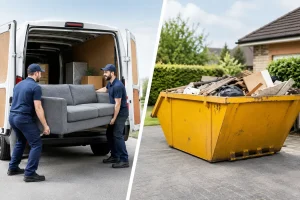

A house clearance usually starts the same way. One room becomes a dumping ground, then another, and before long you are looking at broken furniture, old carpets, black bags, bits of wood and general clutter wondering where to even begin. If you are trying to work out how to clear house rubbish without wasting days on tip runs, the job becomes much easier once you break it into manageable stages.
The main thing is to clear it safely, legally and in a way that actually suits the amount of waste you have. For a few bags, your usual household collection or a trip to the local recycling centre might do. For anything more substantial, especially after a move, renovation, tenancy change or bereavement, it often makes more sense to deal with the rubbish in one go.
How to clear house rubbish without making it harder
The biggest mistake people make is starting to lift and shift before they know what they are dealing with. That usually leads to piles being moved from one room to another, repeated sorting, and more mess than progress. A better approach is to walk through the property first and assess the waste properly.
Look at what can be kept, what can be donated, what needs to be recycled and what is genuinely rubbish. Old wardrobes, broken white goods, plasterboard, mattresses, packaging, garden waste and general household junk all need slightly different handling. Once you know the mix, you can choose the most sensible disposal method instead of guessing.
It also helps to clear by area rather than by item. Finish one bedroom, then the loft, then the garage. That gives you visible progress and stops the whole property feeling unmanageable.
Start by sorting the waste properly
Not all house rubbish should be treated the same. If you mix everything together from the start, you can make disposal more awkward and sometimes more expensive. Separating waste as you go saves time later.
General household waste is usually the easiest category. This covers day-to-day rubbish, damaged furniture, old toys, unwanted household items and similar clutter. Then there is recyclable material such as cardboard, metal, some plastics and timber. Garden waste should be kept separate where possible, especially if you are clearing sheds, patios or overgrown outside spaces at the same time.
There may also be items that need special handling. Fridges, freezers, televisions, paint tins, chemicals, asbestos, petrol bottles and tyres are not the sort of thing to throw in with general rubbish without checking first. The same goes for electrical items and certain types of renovation waste. If in doubt, ask before loading anything.
This is also the point where reusable items should be removed. If a table, chair or set of drawers is still in decent condition, it may not need to go in the waste stream at all. The less you throw away, the simpler the clearance becomes.
Decide whether you need a skip, a tip run or a collection
There is no single answer to how to clear house rubbish because it depends on volume, weight, access and how quickly the job needs doing.
If you have a small amount of light rubbish, a couple of car loads to the local household waste site may be enough. That can work well for a minor declutter or a garage tidy-up. The downside is the time involved, the fuel cost, the loading and unloading, and the fact that many people underestimate just how many trips will be needed.
For larger jobs, skip hire is usually the more practical option. It keeps the waste in one place, lets you work at your own pace and avoids filling your car with dust, sharp edges and bulky items. This is often the best route for property clearances, refurbishment jobs, moving house, landlord turnovers and major decluttering.
A wait-and-load or direct collection can also be useful where space is tight or the waste is already gathered together. That tends to suit people who want everything gone quickly and do not need a skip left on site.
Choosing the right skip size matters
One of the easiest ways to overspend is to order the wrong skip. Too small, and you may need a second one. Too big, and you may be paying for capacity you do not use.
For lighter household clear-outs, a mini skip can be enough, especially if you are dealing with a single room, a shed or a moderate amount of unwanted items. Mid-size skips are often better for fuller house clearances, kitchen refits, bathroom rip-outs and mixed domestic waste. If you are stripping multiple rooms, replacing flooring, removing furniture and clearing a garden at the same time, a larger skip usually makes more sense.
Weight matters as much as volume. Soil, rubble, plasterboard and dense builders’ waste take up less space than old boxes or furniture, but they can fill the permitted weight quickly. Mixed jobs need a bit of judgement. If you are unsure, asking for guidance is better than trying to estimate it alone.
For householders and tradespeople in Wolverhampton, that local advice can save a lot of hassle. A straightforward provider such as Bushbury Skip Hire Ltd will normally help match the skip to the actual job rather than pushing a size that is too large.
Think about where the skip will go
Before booking anything, check where it can be placed. A driveway is usually the simplest option because it avoids permit issues and keeps access easy. If the skip has to go on a public road, you may need a permit depending on the location.
Also think about loading space. If the skip is too far from the house, every bag and bulky item takes longer to move. If it blocks access, the clearance becomes awkward for everyone. Measure the available area and make sure there is room for delivery and collection.
If you live in a terrace, a tight cul-de-sac or a property with restricted parking, mention that upfront. It is much easier to plan properly before the lorry arrives than to sort it out on the day.
Avoid common clearance mistakes
House rubbish jobs often go wrong for simple reasons. People leave the heaviest items until last, overfill the skip, mix in items that are not allowed, or start clearing without enough labour to move bulky waste safely.
A better method is to remove large items first. Old sofas, bed frames, wardrobes and white goods take up the most room and set the pace for the clearance. Once those are out, bagging loose waste and smaller items is far quicker.
Do not pile rubbish above the top edge of the skip. Overfilled skips are unsafe to transport and may not be collected until the load is levelled off. It is also worth keeping wood with nails, broken glass and sharp metal separate while loading, so you can place them carefully instead of creating a hazard.
If the clearance involves stairs, loft spaces or heavy furniture, do not take unnecessary risks. Some items need two people, proper lifting technique and a clear route out of the property.
Legal disposal is not something to ignore
When people are in a rush, legal waste disposal can get treated as an afterthought. It should not. If rubbish is handled by the wrong operator and ends up fly-tipped, that can create problems you do not want.
Using a licensed waste company matters because it gives you confidence that the material is being taken to a proper facility and processed responsibly. That is especially relevant for landlords, builders, businesses and anyone clearing larger amounts of waste from a property.
Recycling matters too. A good waste operation should not simply send everything to landfill. A lot of mixed house rubbish can be sorted and recovered when it goes through the right facility, which is better for the environment and usually a sign of a properly run service.
When to clear room by room and when to empty everything fast
Some house clearances need a careful, staged approach. If you are sorting through a family home, dealing with personal belongings or deciding what to keep during a move, room-by-room clearance is usually best. It gives you time to check paperwork, sentimental items and anything of value.
Other jobs call for speed. End-of-tenancy clearances, renovation waste, abandoned rubbish in rental properties and builder clean-outs often need to be dealt with quickly so the next stage of work can begin. In those cases, having a skip on site from the start can keep the project moving.
There is no benefit in dragging out a straightforward waste job for weeks if the property needs to be clean and usable again. The right setup lets you clear, load and move on.
What the cheapest option really looks like
People often assume the cheapest route is doing everything themselves. Sometimes it is, but not always. Once you count fuel, time off work, queueing at the recycling centre, vehicle cleaning and the sheer effort of repeated trips, the cost can look very different.
For larger volumes, paying for the right skip from the outset is often better value. It gives you one clear price, one collection point and far less disruption. More importantly, it lets you finish the job properly instead of leaving half of it for another weekend.
If you are clearing house rubbish, the goal is not just to get rid of it. It is to do it in a way that is safe, sensible and worth the money. Start with a proper look at what you have, choose a disposal method that matches the job, and make the process easier on yourself from day one.