A skip full of waste leaving your drive should not be a mystery once it is collected. If you are paying for a skip, booking site clearance, or arranging regular waste removal, you need to know that it is going to a licensed waste transfer station Wolverhampton customers can rely on. That is not just a paperwork detail. It affects legality, recycling rates, costs, and your own peace of mind.
For householders, landlords, builders, and local businesses, the main concern is simple – you want the waste gone quickly, at a fair price, and handled properly. A licensed facility is a big part of that. It shows that waste is being received, sorted, processed, and moved on through the right channels rather than tipped illegally or handled carelessly.
What a licensed waste transfer station in Wolverhampton actually does
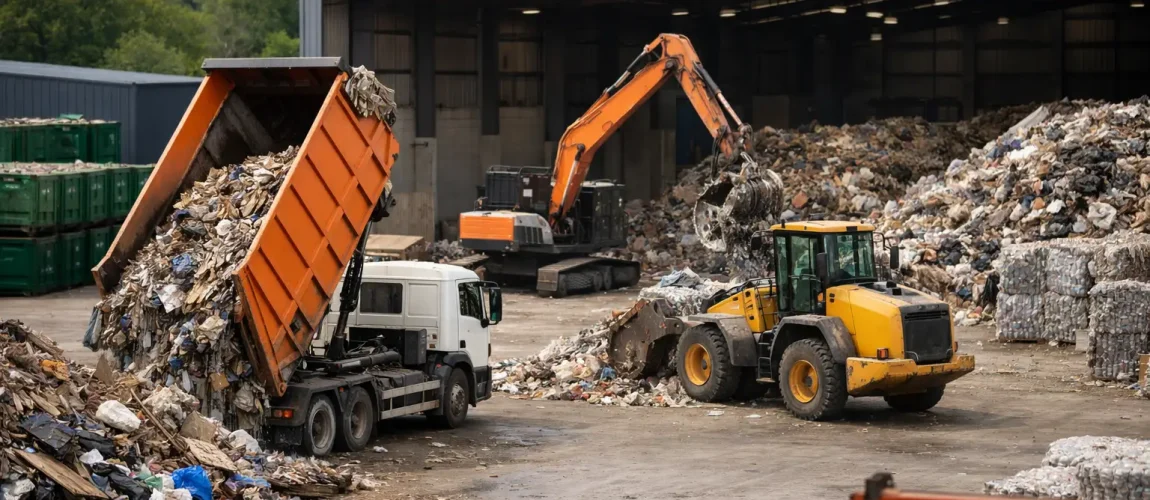
A waste transfer station is the point where collected waste is brought in, checked, separated, and prepared for onward disposal or recycling. In practical terms, that means mixed loads from skips, clearances, and commercial collections do not just get dumped in one heap. They are sorted so that recyclable material can be removed and the remaining waste can be sent to the correct destination.
That matters because most jobs create mixed waste. A garage clear-out might include timber, cardboard, old tools, plastics, and general rubbish. A small building job could produce rubble, plasterboard, timber offcuts, packaging, and metal. Without a proper sorting facility, far more of that material would end up in landfill than necessary.
A licensed site operates under environmental rules and permit conditions. That means there are standards around how waste is stored, moved, recorded, and processed. For the customer, the result is straightforward – your waste is being handled by a business that is set up to do the job properly.
Why using a licensed waste transfer station Wolverhampton service matters
The biggest reason is legal compliance. Waste has a duty of care attached to it, whether it comes from a house, rented property, shop, office, or building site. Once you hand it over to a provider, you still want confidence that you have chosen someone legitimate. If your waste ends up fly-tipped, the problem can come back to you.
There is also the recycling point. Many customers now rightly ask what happens to their waste after collection. A licensed transfer station gives a much better chance of separating reusable and recyclable materials from general waste. That is better for the environment, but it is also often part of keeping disposal efficient and cost-effective.
Speed matters too. A local operator with access to its own facility can often move faster and work with fewer delays than a service that depends entirely on third-party arrangements. If you are a builder needing quick turnaround or a householder working to a tight schedule, that makes a real difference.
Then there is accountability. A local, licensed operator is easier to contact, easier to question, and easier to trust than someone offering suspiciously cheap waste removal with no clear process behind it.
What happens to waste after your skip is collected
Once a skip is picked up, the load is typically taken to a transfer station for sorting. Recyclable materials such as wood, metal, cardboard, hardcore, and some plastics can be separated out. Other waste streams may need specific handling depending on the material.
This is one reason skip hire is often more efficient than making repeated tip runs yourself. Instead of you trying to separate every item and transport it to different places, the waste enters a controlled process where it can be sorted properly. For a customer clearing a house or managing a renovation, that saves time and hassle.
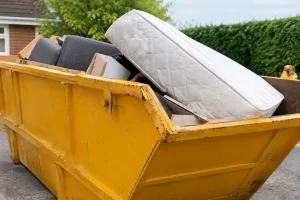
It also explains why some items need to be discussed in advance. Plasterboard, electrical items, mattresses, fridges, tyres, paint, and hazardous materials cannot always go in with general mixed waste. A reliable provider will be clear about that from the start rather than leaving you to find out on collection day.
How to tell if a waste operator is legitimate
Most customers are not trying to become experts in waste regulation. You just want to avoid being caught out. A few common-sense checks help.
First, look for a business that is clear about being licensed and open about how waste is managed. If a company is vague about where your waste goes, that should ring alarm bells. The same applies if the only selling point is an unusually low price with no proper explanation of what is included.
Second, check whether they offer realistic service information. A proper local operator will usually explain skip sizes, acceptable waste types, service areas, and booking arrangements clearly. That sort of clarity is often a sign of a business that actually runs an organised operation.
Third, pay attention to how easy they are to contact. Direct phone access and straightforward answers matter. Waste disposal is one of those services where problems usually come from poor communication rather than the skip itself.
Local convenience is not a small detail
Choosing a Wolverhampton-based operator with a licensed local facility is about more than supporting a nearby business. It can affect collection speed, delivery times, transport efficiency, and overall reliability.
If you are clearing a property in Bushbury, managing works in Bilston, or running a job in the wider Wolverhampton area, local coverage usually means fewer delays and a better understanding of the area. That is useful when access is tight, turnaround matters, or you need practical advice on the right skip size for the job.
It can also help keep costs sensible. Long-distance waste movements, subcontracted handling, and extra transfers all add complication. A local waste management set-up is generally more direct.
Why recycling rates should matter to you
Some customers focus only on price, and that is understandable. Waste removal needs to be affordable. But the cheapest headline figure is not always the best value if the service behind it is poor or non-compliant.
A provider with a strong recycling process is usually doing more than just removing rubbish. They are reducing landfill, recovering materials where possible, and operating in a way that reflects current waste expectations. For commercial customers especially, that can matter for site standards, contractor selection, and general business responsibility.
For domestic customers, it is often simpler. If you are clearing your home or garden, you do not want reusable or recyclable material needlessly buried in landfill. You want the job done responsibly without paying over the odds for it.
That balance of affordability and proper handling is what people are really looking for.
When a skip and transfer station are the right combination
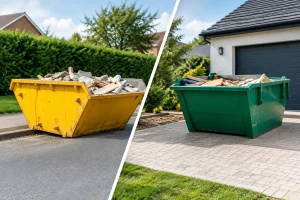
For many projects, skip hire works best when backed by proper waste handling facilities. A small garden clearance might suit a mini skip. A kitchen refit, bathroom rip-out, or general household clear-out may need something larger. Builder’s waste and bulkier mixed loads often need a mid-sized skip with room for steady loading over several days.
The transfer station is the part many people do not see, but it is what makes the service work properly. Without it, collection is only half a job. The real value comes from having a clear route from your property or site to licensed sorting and disposal.
This is where a family-run local business can stand out. If the service is direct, the pricing is clear, and the waste is processed through a licensed local facility with a strong recycling commitment, the whole job becomes easier for the customer. That is one reason businesses such as Bushbury Skip Hire appeal to both domestic and trade customers in Wolverhampton – the service is built around practical waste removal, not vague promises.
The questions worth asking before you book
Before booking any waste service, ask where the waste will go, whether the operator uses a licensed facility, and whether there are restrictions on what can be loaded. If you are comparing quotes, check like for like. A lower price may exclude certain waste types, shorter hire periods, or collection terms that do not suit your job.
If you are a landlord or builder, also think about volume and timing. A cheap option that causes delays on site can cost more in the long run. If you are a householder, consider convenience. One well-sized skip collected and processed properly is often far easier than several car trips and repeated queues.
The right provider should make that decision simple, not confusing.
Waste disposal is never the most glamorous part of a job, but it is one of the parts that can cause the most trouble when handled badly. A licensed waste transfer station in Wolverhampton gives you something solid to rely on – proper processing, better recycling, and the reassurance that your waste is being dealt with as it should be.